


What's Happening?
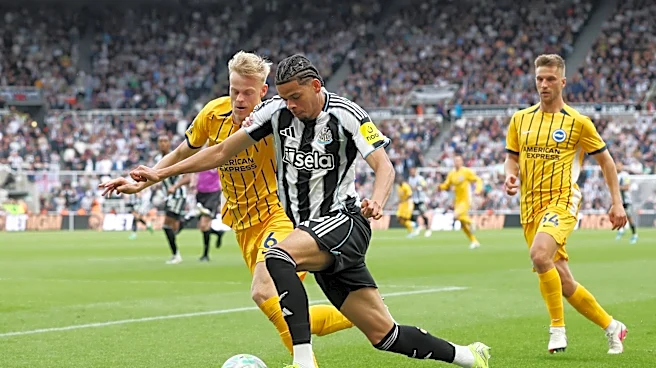
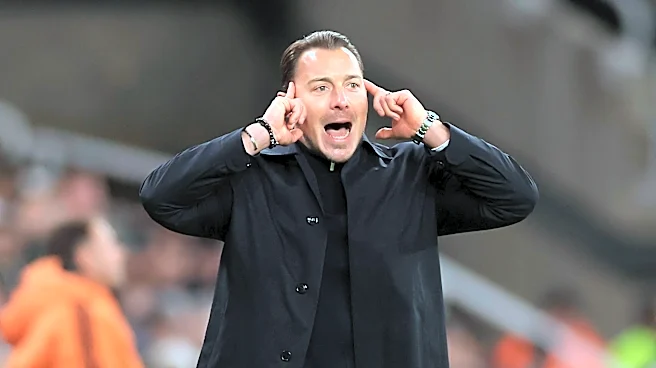
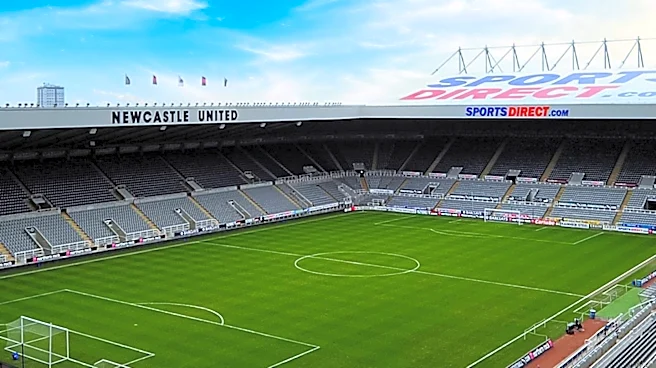
David Hopkinson, CEO of Newcastle United, has clarified the club's 'Vision 2030' initiative, stating it does not guarantee trophy wins or immediate success by the end of the decade. Speaking at the 'We Are United' event, Hopkinson emphasized that the vision
aims for Newcastle to be 'in the conversation' regarding top-tier football. This clarification comes as the club currently ranks 13th in the Premier League after 11 matches and has been eliminated from the Carabao Cup, despite a significant summer overhaul. Hopkinson defended the club's strategy, describing the recent summer transfer window as a deliberate rebuild focused on younger players and financial sustainability, rather than incremental changes. He noted that the plan involves developing young talent within the squad, even if immediate progress isn't consistently visible.
Why It's Important?
This clarification from Newcastle United's CEO is important for managing stakeholder expectations, particularly among fans and investors. The initial 'Vision 2030' language, while ambitious, had inadvertently created high expectations for rapid success, which the club's current performance has not yet met. By redefining the vision as being 'in the conversation' rather than guaranteeing trophies, Hopkinson aims to temper these expectations and highlight a more sustainable, long-term development approach. This shift in messaging could influence how the club's performance is perceived, moving the focus from immediate results to gradual growth and financial stability. For the U.S. sports investment landscape, this situation underscores the challenges and communication strategies involved when foreign entities invest in high-profile sports franchises, particularly in managing fan expectations and public perception over extended periods.
What's Next?
Newcastle United will likely continue to implement its long-term strategy of developing younger players and focusing on financial sustainability. The club's board will need to consistently communicate this revised 'Vision 2030' to maintain fan support and investor confidence, especially if on-field results remain inconsistent in the short term. Future transfer windows will be crucial in demonstrating the club's commitment to its rebuild strategy, with an emphasis on acquiring and nurturing young talent. The club's performance over the coming seasons will be a key indicator of whether this clarified vision can translate into tangible progress and eventually lead to Newcastle being a consistent contender in the Premier League and other competitions.
Beyond the Headlines
The situation at Newcastle United highlights a broader trend in sports ownership where ambitious long-term visions, often backed by significant financial investment, can create immense pressure for immediate success. The need for a CEO to clarify a strategic vision suggests a disconnect between initial messaging and the realities of competitive sports, where success is rarely linear. This scenario also touches upon the ethical considerations of managing fan expectations, particularly when a club undergoes a major ownership change and subsequent financial injection. The emphasis on 'financial sustainability' alongside player development indicates a move towards a more holistic and responsible approach to club management, aiming to build a lasting legacy rather than just buying immediate glory. This could set a precedent for how other clubs, especially those with new ownership, communicate their long-term goals.