





What's Happening?
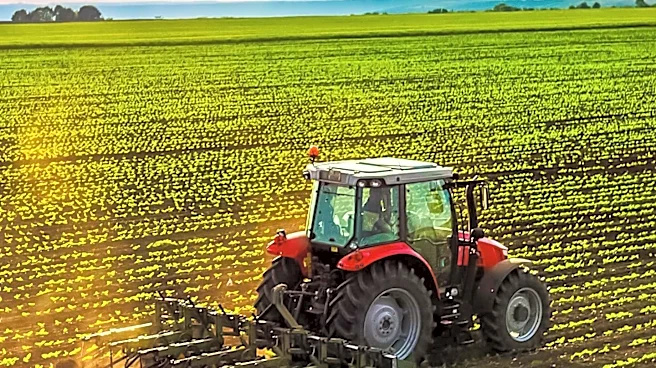
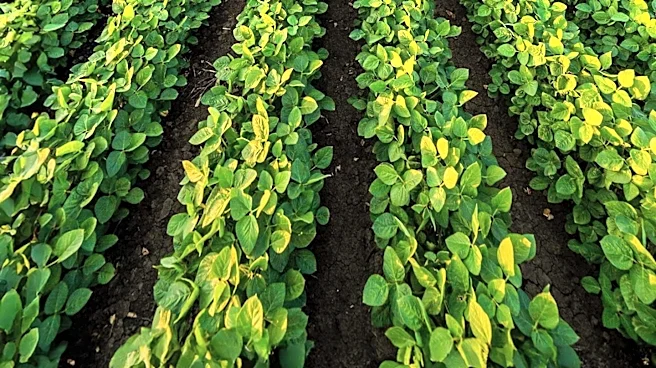
Nestlé has joined a collaborative program focused on regenerative agriculture, alongside 40 other food brands and organizations. The initiative, known as the Regenerating Together Programme, aims to improve soil health, water conservation, and biodiversity.
Nestlé plans to work with farmers and suppliers to meet its 2030 sustainability targets and achieve net-zero greenhouse gas emissions by 2050. The program provides practical guidance and protocols to enhance transparency and consistency across supply chains. Environmental groups such as the Earthworm Foundation and The Nature Conservancy support the initiative.
Why It's Important?
Nestlé's participation in the regenerative agriculture program highlights the growing importance of sustainable practices in the food industry. By focusing on soil health and biodiversity, the program aims to create a more resilient supply chain capable of withstanding climate change impacts. This approach not only benefits the environment but also supports farmers' livelihoods by promoting sustainable farming practices. Nestlé's commitment to achieving net-zero emissions aligns with global efforts to combat climate change and reduce the carbon footprint of the food industry. The program's success could serve as a model for other companies seeking to enhance sustainability in their supply chains.
What's Next?
Nestlé will continue to collaborate with farmers, suppliers, and sustainability-focused organizations to implement the program's protocols. The company aims to accelerate the adoption of regenerative agriculture practices across its supply chain. As the program progresses, Nestlé may explore additional partnerships and initiatives to further its sustainability goals. The company's efforts will be closely monitored by environmental groups and industry stakeholders, who will assess the program's impact on supply chain resilience and climate change mitigation. Nestlé's progress could influence other companies to adopt similar practices, contributing to a more sustainable food system.