








What's Happening?
The global chip crunch is intensifying, posing a significant threat to the burgeoning artificial intelligence (AI) boom. Surging demand for AI infrastructure and data centers is materially outpacing the available supply of semiconductors, particularly
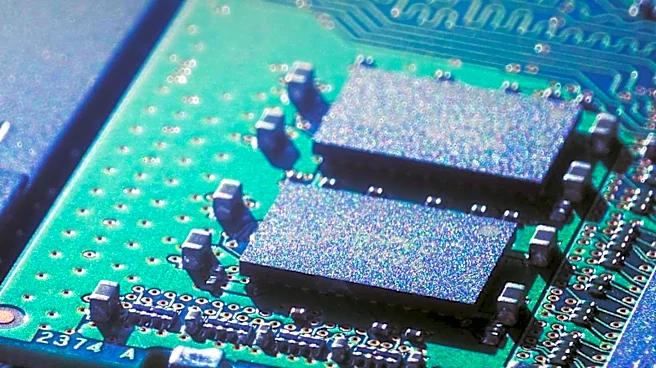
high-bandwidth memory (HBM) chips. Research firm IDC projects a 177% increase in DRAM revenue in 2026, indicating a structural shift in the memory market rather than a temporary cycle. Major memory manufacturers like Samsung, SK Hynix, and Micron are reallocating their production capacity towards these high-bandwidth chips, which are crucial for AI accelerators. This shift has led to substantial price increases, with TrendForce forecasting a 90 to 95% quarter-on-quarter jump in conventional DRAM contract prices early this year. The competition for these advanced components is fierce, with high-tech manufacturers and data centers vying for the same limited supply.
Why It's Important?
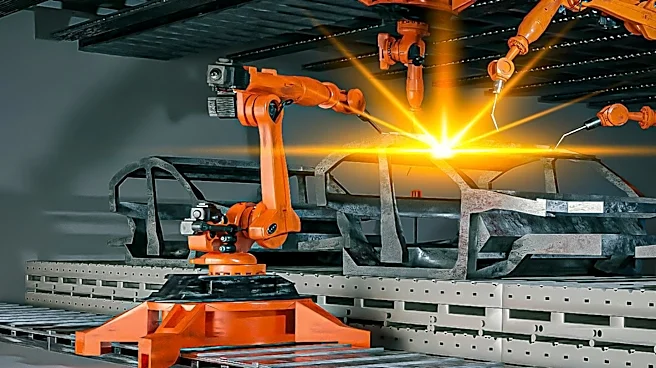
This chip crunch has profound implications for the U.S. economy and its technological leadership. The AI boom, which relies heavily on these advanced semiconductors, could be significantly hampered if supply constraints persist. Industries beyond AI, such as automotive and high-tech manufacturing, are also feeling the squeeze as they compete for similar components. The 2021-2023 automotive chip shortage demonstrated how quickly a missing part can halt production, and the current situation suggests a similar, if not more severe, challenge. The elevated prices and tight supply are expected to continue well into 2027, impacting the cost of everything from data center operations to consumer electronics. This scenario underscores the critical need for robust supply chain visibility and strategic sourcing to secure essential components, as cash and speed alone are no longer sufficient to guarantee supply.
What's Next?
The semiconductor industry is expected to remain under significant pressure, with tight supply and elevated prices persisting for the foreseeable future. Companies will likely prioritize securing committed capacity with critical suppliers and qualifying alternate components and suppliers to mitigate risks. The focus will be on providing clear and credible demand signals to chipmakers to move up the allocation queue. Investments in new manufacturing capacity, while crucial, will take years to come online, meaning the current supply-demand imbalance will not be resolved quickly. The development of more efficient chip designs and advanced packaging technologies will also be key to maximizing the output from existing capacity. Furthermore, the situation may prompt governments and industries to explore long-term strategies for diversifying semiconductor manufacturing geographically to enhance supply chain resilience.
Beyond the Headlines
The global chip crunch highlights a deeper systemic issue within the technology sector: the increasing reliance on a few highly specialized manufacturers for critical components. This concentration creates significant vulnerabilities, not only for economic stability but also for national security. The competition for chips can also exacerbate geopolitical tensions, as nations vie for access to essential technologies. Ethically, the allocation of limited chip supplies raises questions about fairness and prioritization, especially when critical sectors like healthcare or defense might be competing with commercial AI ventures. The long-term implications could include a re-evaluation of globalized supply chains, leading to more regionalized manufacturing and increased investment in domestic production capabilities to safeguard against future disruptions. This structural shift could redefine how technology is developed, produced, and distributed worldwide.