


What's Happening?
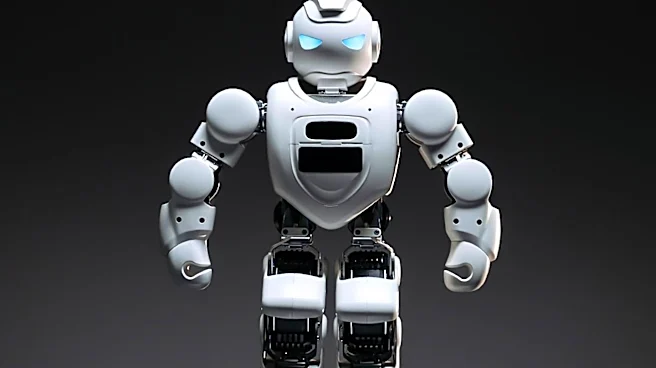
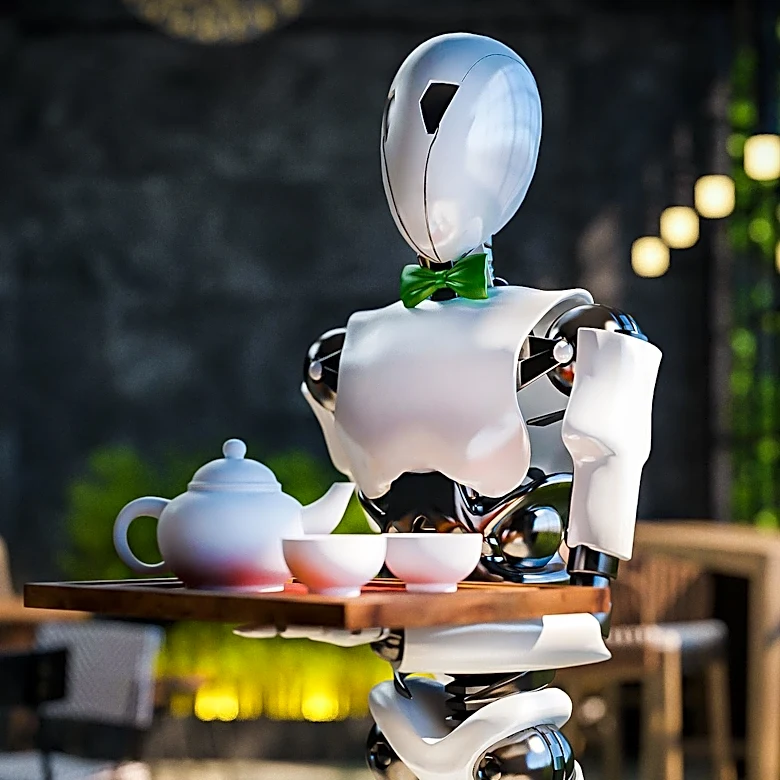
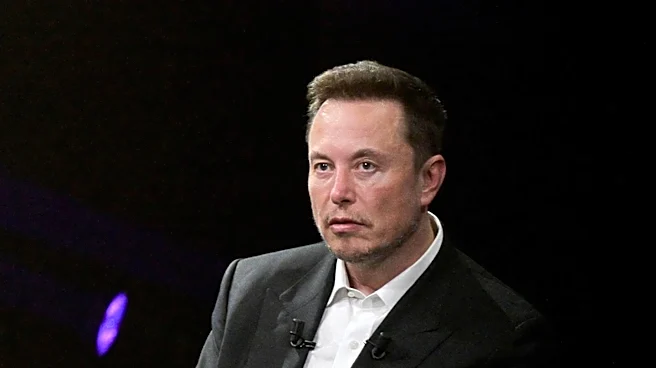
Elon Musk, CEO of Tesla, discussed the complexities involved in developing the Optimus humanoid robot during the company's second-quarter earnings call. Musk described the project as a 'very complex problem to solve,' highlighting the unprecedented nature
of creating a robot that can mimic human dexterity and reliability. He emphasized the absence of an existing supply chain for Optimus, necessitating Tesla to build one from scratch and produce some components in-house. The automaker faces challenges in securing AI chips and solving issues related to memory, logic, and packaging. Musk noted that scaling up production of Optimus would be the hardest manufacturing task Tesla has undertaken, as every component of the robot is new.
Why It's Important?
The development of Optimus represents a significant leap in robotics, with potential implications for various industries. If successful, Optimus could revolutionize sectors reliant on manual labor by providing a versatile, humanoid workforce. This could lead to increased efficiency and reduced labor costs. However, the challenges outlined by Musk underscore the technical and logistical hurdles that must be overcome, which could delay the robot's market entry. The project also highlights Tesla's broader ambitions in AI and robotics, positioning the company as a leader in these fields. The success or failure of Optimus could impact Tesla's reputation and influence investor confidence.
What's Next?
Tesla will continue to address the technical and manufacturing challenges associated with Optimus. The company will likely focus on refining the robot's design and establishing a robust supply chain. As development progresses, Tesla may seek partnerships or collaborations to expedite production and distribution. Stakeholders, including investors and industry analysts, will closely monitor updates on Optimus's development, as its success could have far-reaching implications for Tesla's future growth and innovation strategy.