


What's Happening?
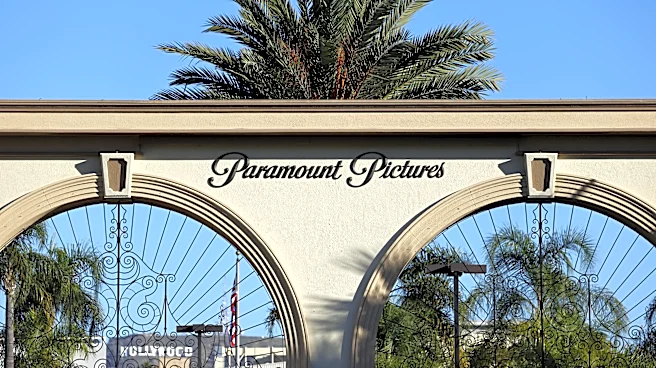
Skydance is set to merge Warner Bros. Television and Paramount Television Studios into a single, unified entity, which will be known as Warner Bros. Television Studios. This consolidation, expected to officially launch early next year, will bring together
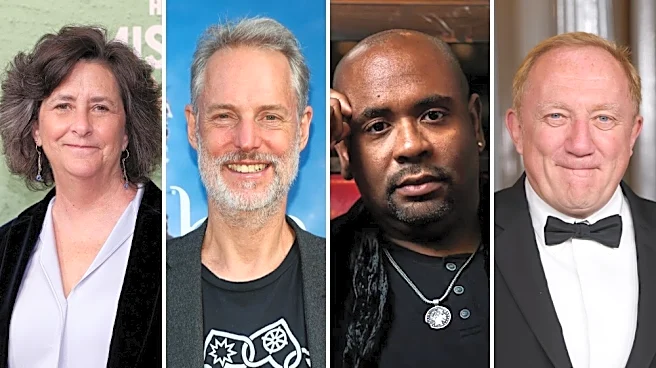
over 100 productions under one umbrella. Channing Dungey, current head of WBTV, and Matt Thunell, head of PTVS, will serve as co-presidents of the combined studio, reporting to Skydance TV co-chair and chief content officer George Cheeks. CBS Studios, led by David Stapf, will continue to operate as a separate entity, with CBS Studios International, Skydance Sports Entertainment, and See It Now Studios falling under its purview. BET Studios will be integrated into the new Warner Bros. Television Studios. This move aims to create a more formidable creative engine by uniting talent, resources, acclaimed programming, and iconic franchises.
Why It's Important?
This consolidation represents a significant restructuring within the U.S. television production landscape, with major implications for the industry. By combining two large studios, Skydance aims to achieve greater scale and efficiency, potentially leading to more streamlined production processes and a stronger competitive position in the global market. The merger could impact employment, as such consolidations often result in layoffs due to redundancies in various departments. It also means fewer independent entities for writers and producers to pitch projects, potentially centralizing creative control and influencing the types of content that get developed. For consumers, this could lead to a more focused output of programming from the combined studio, potentially affecting the diversity of shows available across various platforms. The move also reflects a broader trend in media mergers, where companies seek to optimize assets and leverage intellectual property across their portfolios.
What's Next?
The new Warner Bros. Television Studios is slated to officially launch early next year. In the interim, both Warner Bros. Television and Paramount Television Studios will continue to operate independently. Channing Dungey and Matt Thunell will be working to integrate the two studios, a process that will involve aligning leadership, resources, and creative strategies. Staff members can expect further information from HR regarding the implications for individual teams, including potential layoffs. The industry will be closely watching how this new mega-studio navigates its extensive portfolio of productions and how it impacts its relationships with talent and third-party partners. The success of this consolidation will likely influence future merger and acquisition strategies within the entertainment sector.
Beyond the Headlines
The merger of Warner Bros. Television and Paramount Television Studios raises deeper questions about the future of creative independence and competition in the television industry. While consolidation can offer efficiencies and scale, it also carries the risk of reducing the number of distinct creative voices and potentially limiting opportunities for emerging talent. The antitrust lawsuit settlement that paved the way for the Paramount-Warner Bros. Discovery merger, while focusing on film releases and cable carriage agreements, did not explicitly address TV studio operations, highlighting a potential oversight in regulatory scrutiny of such large-scale media integrations. The long-term impact could be a more concentrated industry where a few large players dominate content creation, potentially affecting the diversity of storytelling and the overall creative ecosystem. The challenge for the new Warner Bros. Television Studios will be to harness the strengths of both entities while fostering an environment that encourages innovation and supports a wide range of creative projects.