


What's Happening?
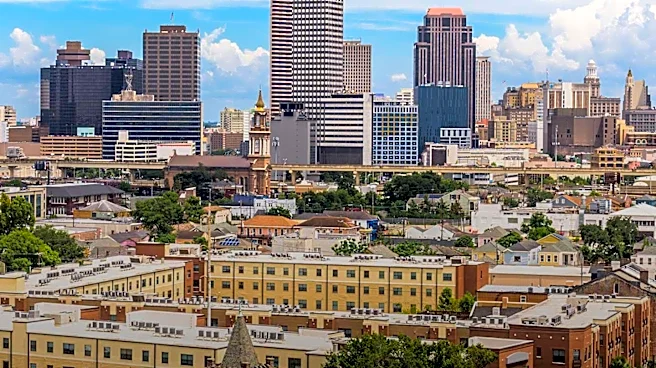
Festivals Acadiens et Créoles has unveiled the music lineup for its 52nd annual event, scheduled for October 8-11, 2026, in Lafayette, Louisiana. The festival will feature a mix of legendary artists like Jeffery Broussard and the Creole Cowboys, Steve
Riley and the Mamou Playboys, and Wayne Toups, alongside newer acts such as Rusty Metoyer & the Zydeco Crush and The Holiday Playgirls. A significant development for the 2026 festival is its partnership with the Smithsonian Institution, which has selected it as one of only 34 folklife events in the U.S. to join its 'Festival of Festivals' initiative. This collaboration has led to the relaunch of the festival's original stage, Scène '76, located near Girard Park’s pond. The theme for this year's festival, 'Revolution and Evolution: Celebrating 250 Years of Cultural Fusion on the Bayou,' reflects this major partnership and emphasizes the interplay between South Louisiana's musical traditions and other American musical forms, including collaborations with artists like Haitian-American cellist Leyla McCalla and Indigenous fiddle ace Nokosee Fields. Admission to the festival remains free and open to the public.
Why It's Important?
The inclusion of Festivals Acadiens et Créoles in the Smithsonian Institution's 'Festival of Festivals' initiative elevates its national profile, recognizing its role as a vital space for cultural exchange and civic engagement. This partnership not only brings prestige to the festival but also highlights the unique cultural heritage of South Louisiana on a broader stage. For the region, this recognition can lead to increased tourism and economic benefits, as more visitors may be drawn to experience the authentic Cajun and Creole music traditions. The festival's focus on collaborations between regional musicians and artists from diverse backgrounds, such as Haitian-American and Indigenous traditions, underscores the dynamic and evolving nature of American music. This cross-cultural exchange enriches the musical landscape and promotes a deeper understanding of the various influences that have shaped U.S. cultural identity. The free admission policy ensures accessibility, allowing a wide audience to engage with and appreciate these important cultural expressions.
What's Next?
The Festivals Acadiens et Créoles will take place from October 8-11, 2026, in Lafayette, Louisiana. Attendees can anticipate a diverse musical experience across multiple stages, including the relaunched Scène '76, which will showcase collaborations emphasizing cultural fusion. Event organizers will likely continue to promote the festival's partnership with the Smithsonian Institution, potentially drawing a larger national audience. The festival's theme, 'Revolution and Evolution: Celebrating 250 Years of Cultural Fusion on the Bayou,' suggests that future programming may continue to explore the historical and contemporary influences on South Louisiana's music. Local businesses and tourism sectors in Lafayette can expect an influx of visitors, requiring coordination for accommodations, dining, and transportation. The success of this year's event, particularly with the Smithsonian's involvement, could set a precedent for future collaborations and further solidify the festival's standing as a significant cultural event in the United States.
Beyond the Headlines
The Smithsonian's 'Festival of Festivals' initiative, by recognizing events like Festivals Acadiens et Créoles, plays a crucial role in preserving and promoting regional cultural identities within the broader American narrative. This initiative helps to counteract the homogenization of culture by spotlighting unique traditions that might otherwise be overlooked. The festival's emphasis on 'cultural fusion' highlights the ongoing process of cultural evolution, demonstrating how different traditions interact and enrich each other. This is particularly relevant in the U.S., a nation built on diverse cultural contributions. The event also serves as a living archive, allowing younger generations to connect with their heritage and ensuring the continuity of traditional music forms. Furthermore, the festival's commitment to free admission underscores the democratic ideal of cultural access, making high-quality cultural experiences available to everyone, regardless of socioeconomic status. This approach fosters community engagement and strengthens the social fabric by providing shared cultural experiences.