
What's Happening?
African textile traditions, such as Bogolanfini (Malian mud cloth) and Adire dyeing (Yoruba, Nigeria), are being highlighted as inherently sustainable models for the modern fashion industry. These traditional
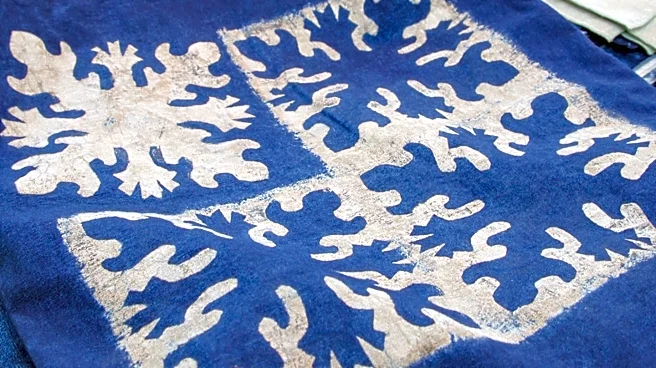
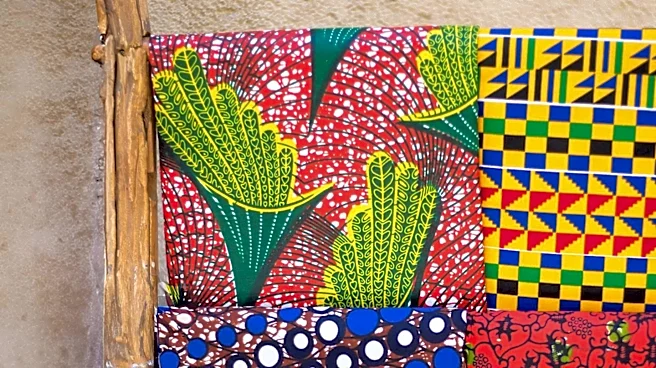
methods prioritize durability, natural materials, and cultural significance over the rapid production and disposability characteristic of fast fashion. Artisans historically used locally available resources like cotton, plant-based dyes, and natural fibers, employing techniques that result in long-lasting garments. For instance, Bogolanfini involves hand-dyeing cotton with fermented mud and plant extracts, avoiding synthetic chemicals and producing durable cloth often passed down through generations. Similarly, Adire cloth uses indigo dye and hand-applied resist patterns, limiting production volume and discouraging overproduction. Kente weaving from Ghana also exemplifies sustainable design through its time-intensive, skilled production process, which naturally limits output and encourages high value per garment, often preserved for significant life events.
Why It's Important?
The emphasis on African textile traditions offers a critical blueprint for addressing the significant environmental impact of the global fashion industry, particularly in the U.S. market. Fast fashion's model of speed and disposability contributes heavily to greenhouse gas emissions and textile waste. By adopting principles from these traditional methods—such as using natural, biodegradable materials, slowing down production, and designing for longevity—U.S. designers and brands can move towards more sustainable practices. This shift could reduce the industry's carbon footprint, minimize waste, and promote ethical production. Furthermore, it encourages a re-evaluation of consumer culture, moving away from disposable trends towards valuing quality, durability, and cultural meaning in clothing. This approach also highlights the importance of respecting cultural origins, ensuring fair compensation and acknowledgment for communities whose traditional techniques inspire modern sustainable design efforts, thereby combating cultural appropriation.
What's Next?
Modern designers are encouraged to study and integrate the underlying values of African textile traditions into their practices. This involves sourcing natural fibers and dyes, partnering directly with artisan communities, and prioritizing quality construction over rapid production cycles. The fashion industry may see an increased focus on handcraft techniques and durable design choices to create garments meant to last and be repurposed. Consumers might also become more discerning, seeking out brands that demonstrate genuine commitment to sustainability and ethical production, potentially leading to a decline in demand for purely fast fashion items. Regulatory bodies, similar to new greenwashing rules in the EU, could also emerge in the U.S. to ensure that sustainability claims are substantiated, further pushing brands towards truly sustainable practices inspired by these traditional models.
Beyond the Headlines
Beyond the immediate environmental benefits, embracing African textile traditions in fashion has deeper cultural and ethical implications. It challenges the Western-centric view of fashion innovation by recognizing and valuing indigenous knowledge and craftsmanship. This movement can foster greater cultural exchange and appreciation, moving beyond mere inspiration to genuine collaboration and empowerment of artisan communities. It also raises questions about intellectual property and fair trade in a globalized industry, advocating for models where traditional creators are properly credited and compensated. The shift towards 'slow fashion' inspired by these traditions could also lead to a more mindful consumer culture, where clothing is seen not just as a commodity but as an investment in quality, artistry, and sustainability, potentially influencing broader societal values regarding consumption and resource management.