




What's Happening?
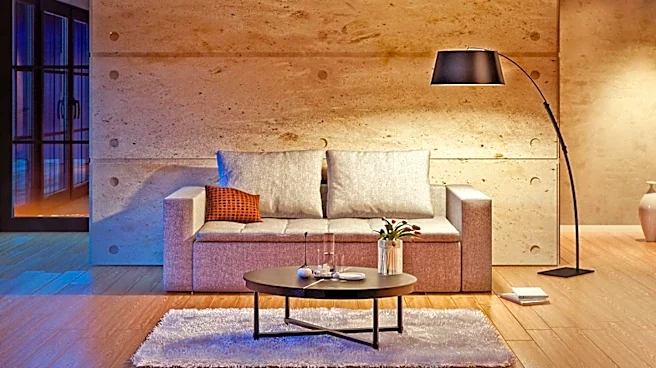
Interior design principles emphasize the critical role of lighting in shaping a room's mood and aesthetic. Over-illuminating a space can lead to discomfort, eye strain, and a sterile atmosphere, contrasting with the desired cozy or vibrant feel. The solution
lies in a balanced approach that prioritizes lumens over watts, considers color temperature (Kelvin), and utilizes dimmer switches for adjustable brightness. Designers advocate for a layered lighting strategy, incorporating ambient, task, and accent lighting to create depth and visual interest. Ambient lighting provides overall illumination, task lighting focuses on specific activities, and accent lighting highlights focal points. This multi-faceted approach helps avoid harsh glares and ensures a welcoming environment.
Why It's Important?
The strategic application of lighting in interior design has significant implications for both residential and commercial spaces. For homeowners, effective mood lighting can transform living areas into comfortable, relaxing sanctuaries, directly impacting well-being and daily life. In commercial settings, particularly retail, appropriate lighting influences consumer behavior and emotions, potentially boosting sales and enhancing the shopping experience. The shift from wattage to lumens as a measure of brightness reflects an industry-wide move towards more energy-efficient and precise lighting solutions, aligning with broader sustainability goals. The emphasis on layering and dimmable fixtures also offers greater control and adaptability, catering to diverse needs and preferences while optimizing energy consumption.
What's Next?
The trend towards sophisticated and customizable lighting solutions is expected to continue, with advancements in LED technology offering even greater flexibility in color temperature, brightness, and integration with smart home systems. Consumers and designers will likely increasingly adopt indirect lighting techniques, diffusers, and wall washing to create softer, more inviting spaces. The market will see a continued demand for fixtures that blend aesthetic appeal with functional versatility, such as those offering tunable color options and precise light distribution. Manufacturers will focus on developing products that support layered lighting strategies, making it easier for users to achieve balanced and dynamic illumination in any environment.
Beyond the Headlines
Beyond its immediate functional and aesthetic benefits, mood lighting taps into deeper psychological and physiological responses. The quality and type of light can influence circadian rhythms, affecting sleep patterns, mood, and overall health. Warm, dim lighting in the evenings can promote relaxation and prepare the body for rest, while cooler, brighter light during the day can enhance alertness and productivity. This understanding is driving a more holistic approach to lighting design, where the emotional and biological impacts are considered alongside visual appeal. The ethical dimension also emerges in commercial spaces, where lighting can subtly manipulate consumer behavior, raising questions about transparency and consumer autonomy in design choices.