






What's Happening?
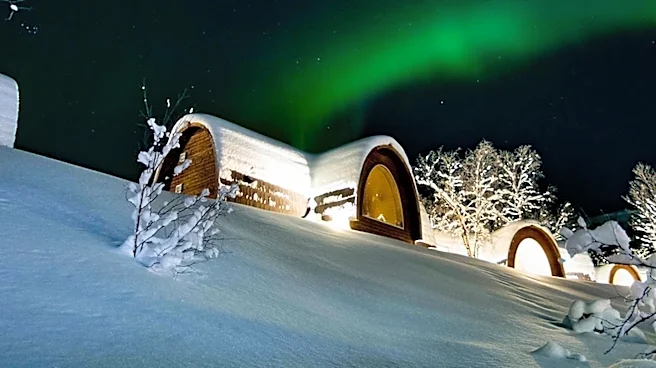
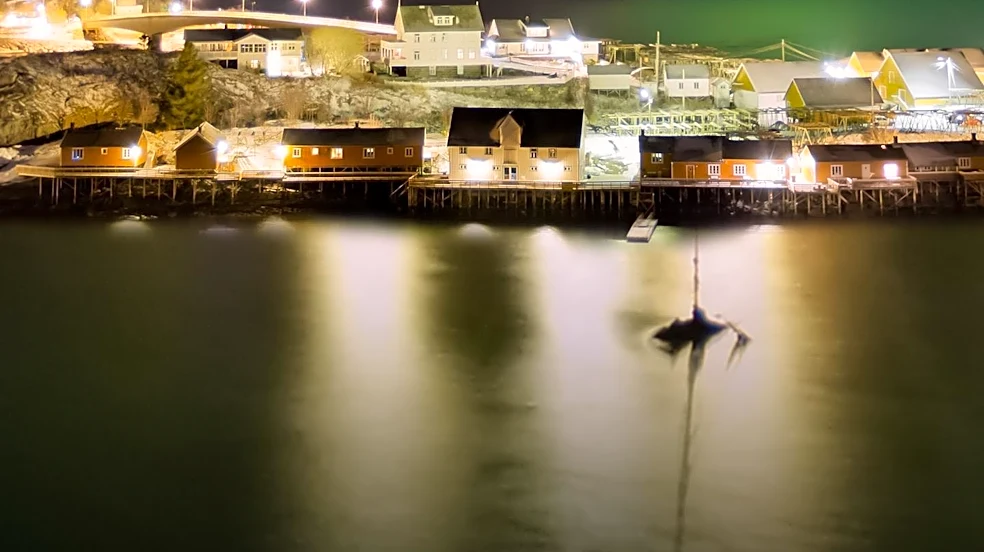
Tromsø, Norway, is recognized as a premier destination for observing the Aurora Borealis, with its Northern Lights season typically spanning from late August to early April. Situated directly under the auroral oval, the city experiences sufficiently dark
nights during this period, making the celestial phenomenon visible. Various tour options are available for visitors, catering to different preferences and group sizes. These include guided minibus safaris for smaller groups, larger bus tours that offer comfort and access to private Aurora Camps, and private tours for special occasions. For those seeking more adventurous experiences, snowmobile evening excursions are also offered, combining Arctic exploration with potential Northern Lights sightings. Tour operators emphasize flexibility, often adjusting routes based on weather forecasts and aurora activity to maximize viewing chances away from city light pollution. Professional photography, warm winter gear, and meals are commonly included in these tours.
Why It's Important?
Tromsø's status as a top Northern Lights destination significantly impacts its local tourism economy, attracting visitors globally during the extended aurora season. The availability of diverse tour packages, from budget-friendly options to private luxury experiences, caters to a broad demographic, boosting local businesses such as tour operators, hotels, and restaurants. The emphasis on guided tours also highlights the importance of local expertise in navigating Arctic conditions and optimizing viewing opportunities, which contributes to visitor satisfaction and repeat tourism. Furthermore, the region's ability to combine Northern Lights viewing with other Arctic activities like dog sledding, reindeer experiences, and whale watching creates comprehensive travel packages, enhancing its appeal as a multi-faceted winter destination. This sustained tourism influx supports employment and infrastructure development in the Arctic region.
What's Next?
As the Northern Lights season continues, Tromsø's tourism sector will likely focus on refining and promoting its diverse tour offerings. Operators will continue to monitor solar activity and weather patterns to provide the best possible viewing experiences, adapting their strategies as needed. The integration of technology, such as real-time aurora forecasts and SMS alerts, could become more prevalent to enhance visitor experiences. Additionally, there may be continued efforts to develop sustainable tourism practices to manage the environmental impact of increased visitor numbers in the Arctic. Marketing campaigns will likely target international travelers, emphasizing the unique combination of natural beauty and adventure activities available in Tromsø during the aurora season. The city will also prepare for the transition to its summer season, which features the Midnight Sun and different outdoor activities.
Beyond the Headlines
The allure of the Northern Lights in Tromsø extends beyond mere tourism, touching upon cultural and scientific dimensions. The phenomenon itself holds significant cultural importance for indigenous communities in the Arctic, often featuring in their folklore and traditions. Scientifically, the aurora provides a natural laboratory for studying solar-terrestrial interactions, attracting researchers and enthusiasts interested in space weather. The growing popularity of aurora tourism also raises questions about the balance between economic development and environmental preservation in fragile Arctic ecosystems. Ensuring that tourism remains sustainable and respectful of local cultures and the natural environment is a continuous challenge. The experience of witnessing the Northern Lights can also have a profound personal impact on visitors, offering a unique connection to the natural world and the vastness of the universe, fostering a deeper appreciation for astronomical phenomena.