






What's Happening?
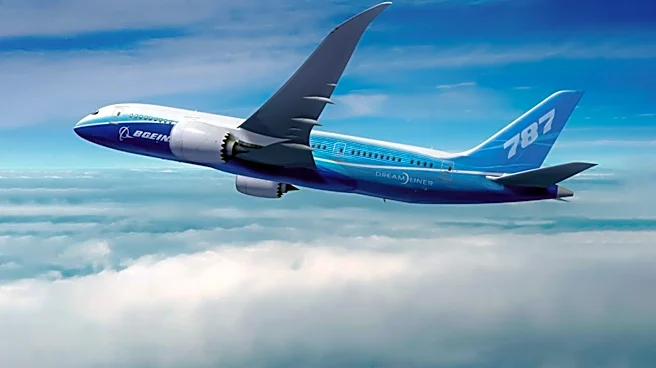
Norse Atlantic and IndiGo have mutually agreed to terminate their entire 787 wet-lease arrangement due to complications with long-haul routes. IndiGo, an Indian budget carrier, had been using six Boeing 787-9 aircraft from Norse Atlantic for its services
to Europe. However, geopolitical issues in the Middle East, elevated fuel prices, and airspace disruptions have made these routes commercially unviable. The partnership, which was set to end on November 1, was initially intended to help Norse Atlantic manage seasonal fluctuations in its network. Despite the setback, Norse Atlantic plans to redeploy the returned aircraft on its own profitable routes, such as New York and Orlando, during the winter season.
Why It's Important?
The termination of the lease agreement highlights the challenges airlines face in maintaining profitable operations amid geopolitical tensions and fluctuating fuel prices. For Norse Atlantic, the end of this partnership represents a strategic shift as it seeks to optimize its fleet utilization and improve profitability. The decision also reflects broader industry trends where airlines are reevaluating their route networks and partnerships in response to external pressures. For IndiGo, the move comes at a time of management transition, potentially impacting its strategic planning and operational focus. The situation underscores the interconnectedness of global aviation markets and the need for airlines to remain agile in adapting to changing circumstances.
What's Next?
Norse Atlantic is exploring new lease opportunities for the returned aircraft and plans to increase capacity on its own network. The airline is also conducting a strategic review, which could lead to a sale, merger, or other partnership opportunities. IndiGo, meanwhile, is undergoing a management transition with a new chief executive and financial officer, which may influence its future strategic direction. Both airlines will need to navigate the ongoing challenges posed by geopolitical tensions and economic conditions, potentially leading to further adjustments in their operations and partnerships.