

What's Happening?
The global lithium market is experiencing a significant pricing correction as major mining operations in China and Australia resume production. The Guangzhou Futures Exchange (GFEX) reports a nearly 30% drop in lithium carbonate futures from their May
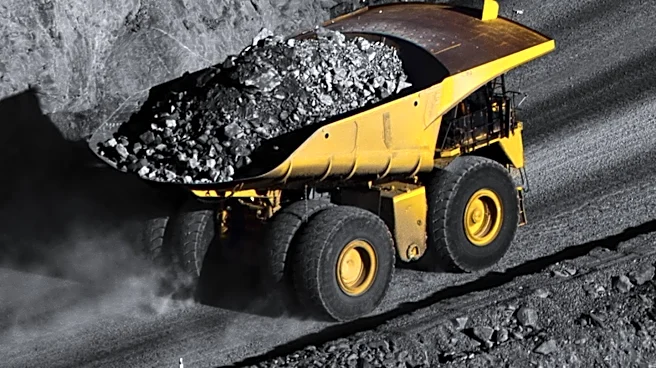
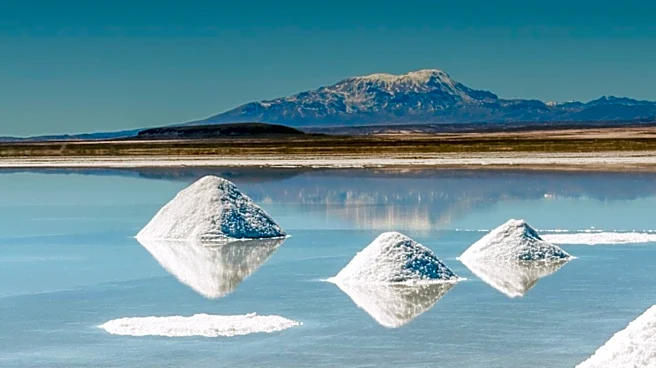
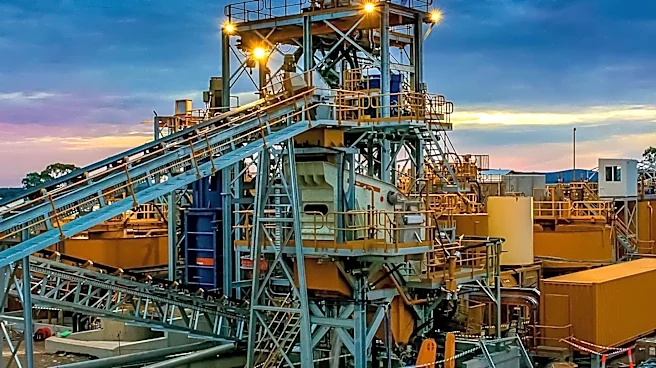
2026 highs. This shift is attributed to the restart of high-capacity projects in Jiangxi, China, and Western Australia, which have increased anticipated supply volumes. CATL's Jianxiawo mine, a major contributor to China's lithium output, resumed operations on June 29, 2026, adding substantial capacity. Similarly, Australian projects like Mineral Resources' Bald Hill and Core Lithium's Finniss are also resuming, contributing to a more stable supply outlook.
Why It's Important?
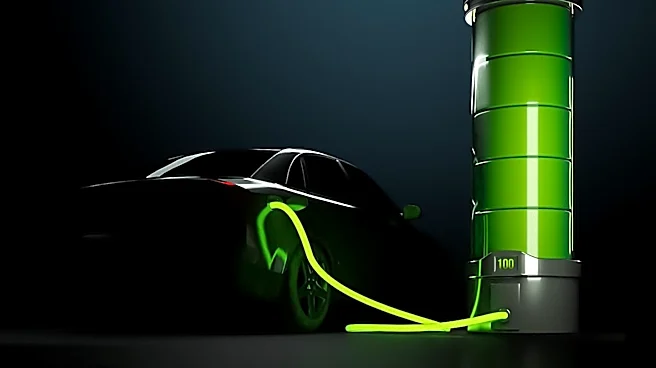
The resumption of these mining operations is pivotal for the global lithium market, which has been under pressure due to supply uncertainties and high demand from sectors like electric vehicles and energy storage. The increased supply is expected to stabilize prices and provide relief to industries dependent on lithium. For the U.S., this development could mean more predictable pricing and availability of lithium, which is critical for battery production and the broader renewable energy sector. The market correction also highlights the importance of strategic resource management and the potential impact of policy changes on global supply chains.
What's Next?
As the market adjusts to the increased supply, stakeholders will likely focus on the long-term implications for pricing and market stability. The resumption of operations at major mines could lead to a more balanced supply-demand scenario, potentially stabilizing prices in the long term. Additionally, the policy changes in China might prompt other countries to reassess their strategies regarding lithium production and battery manufacturing. The industry will also be watching how these developments affect the competitiveness of lithium-ion batteries compared to emerging technologies like sodium-ion batteries.