
What's Happening?
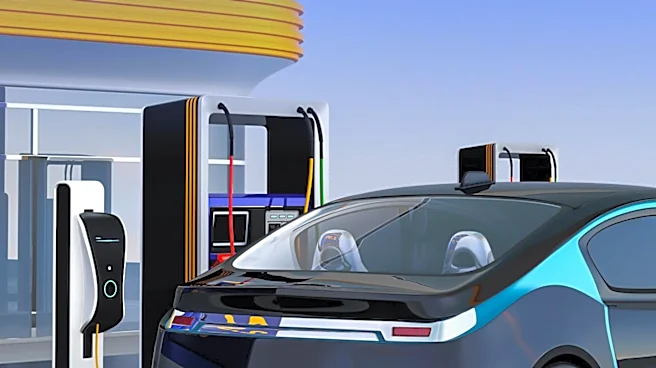
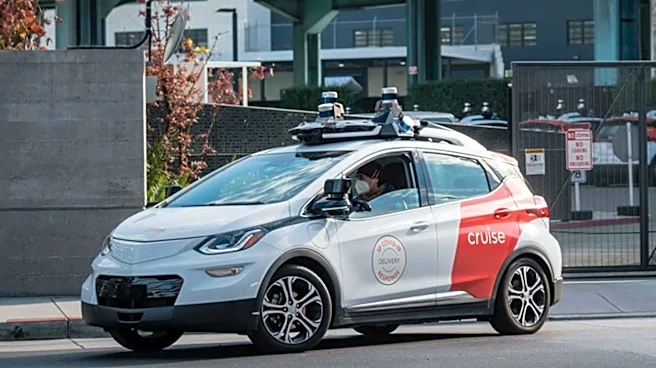
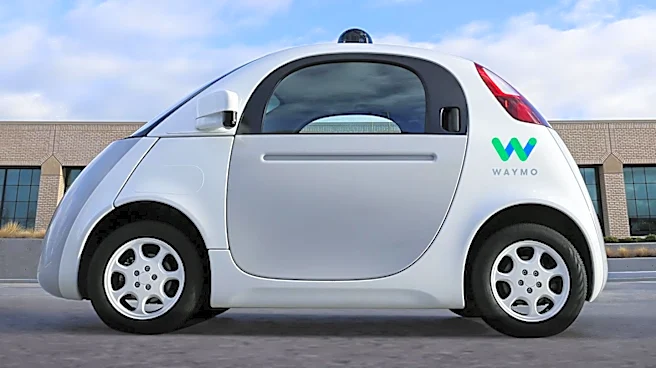
Waymo, the autonomous car company owned by Google, is expanding its infrastructure in Washington, D.C., by building three new maintenance and charging facilities. This move is part of Waymo's strategy to gain approval for a D.C. Council bill that would
legalize passenger service for self-driving cars. The company has been testing its autonomous vehicles in the city for over two years, logging significant mileage and mapping the area. Despite these efforts, the legalization process faces challenges, including concerns from labor unions about job losses and demands for wheelchair-accessible vehicles.
Why It's Important?
The expansion of Waymo's infrastructure in D.C. represents a significant step towards the integration of autonomous vehicles into urban transportation systems. If successful, this could lead to a transformation in how people commute, potentially reducing traffic congestion and emissions. However, the introduction of self-driving cars also raises concerns about job displacement for traditional drivers and the need for regulatory frameworks to ensure safety and accessibility. The outcome of this legislative effort could set a precedent for other cities considering similar technologies.
What's Next?
The D.C. Council is expected to continue deliberations on the bill, with potential adjustments to address stakeholder concerns. Waymo's investment in local infrastructure and job creation may influence the council's decision. If the bill passes, it could pave the way for broader adoption of autonomous vehicles in the city. Ongoing discussions will likely involve input from various stakeholders, including government officials, labor unions, and advocacy groups for disabled residents.