





What's Happening?
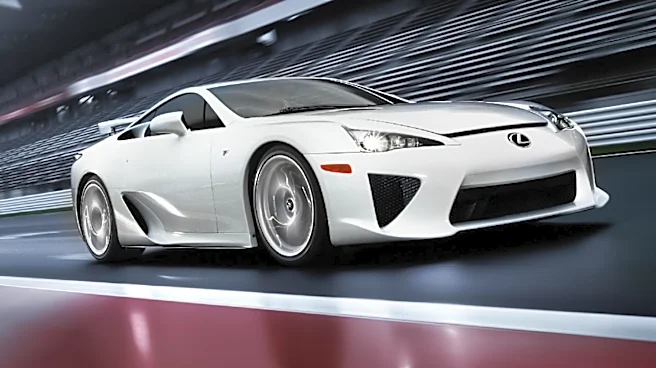
Automakers are increasingly focusing on designing unique sound profiles for electric vehicles (EVs), both for interior cabin experiences and exterior presence. This trend is driven by a directive from Toyota chair Akio Toyoda, who demanded "no more boring
cars," specifically requesting the new Lexus LFA to redefine the sound of an electric sports car. While mass-market EVs often prioritize quietness to address buyer concerns about road and wind noise, luxury and performance EVs are developing distinctive auditory signatures. Ferrari's all-electric Luce, for instance, uses an accelerometer to amplify vibrations from the rear axle into a unique growl. This emphasis on sound extends to customizable cabin noises and exterior sounds that convey a car's personality, with companies investing significant resources to differentiate their EV models through acoustics. Modern EVs are also integrating software-driven sound experiences, such as the BMW iX3's welcome sound composed of designers' voices.
Why It's Important?
The focus on distinct EV sounds represents a significant shift in automotive design and marketing, impacting consumer perception and brand differentiation in the rapidly expanding electric vehicle market. As EVs inherently lack the traditional engine sounds of internal combustion cars, automakers are seeking new ways to evoke emotion, convey luxury, and establish brand identity. This trend could influence consumer purchasing decisions, as unique sound profiles become a selling point alongside performance, range, and technology. It also highlights the evolving regulatory landscape, where exterior EV sounds are mandated for pedestrian safety, but also offer an opportunity for creative expression. The investment in sound design signifies a recognition that the auditory experience remains a crucial component of driving, even in the absence of a combustion engine, potentially creating new sub-industries and specialized roles within the automotive sector.
What's Next?
The automotive industry is expected to continue investing heavily in sound design for electric vehicles, with further advancements in customizable interior acoustics and distinctive exterior soundscapes. Automakers will likely introduce more sophisticated technologies, such as advanced sound synthesis and active noise cancellation, to create unique auditory experiences for each EV model. This could lead to a greater emphasis on sound designers and audio engineers within car companies, potentially fostering collaborations with artists and musicians to craft brand-specific sonic identities. As the EV market matures, the 'sound' of a vehicle may become as important as its visual design or performance metrics, influencing future marketing strategies and consumer expectations. Regulations regarding exterior EV sounds will also continue to evolve, potentially leading to standardized yet customizable sound requirements.
Beyond the Headlines
The emphasis on EV sound design delves into the psychological and emotional connection drivers have with their vehicles. Sound is a powerful sensory input that can evoke feelings of excitement, luxury, or tranquility. By meticulously crafting these sounds, automakers are not just addressing a technical requirement or a marketing opportunity; they are attempting to maintain and redefine the emotional bond between human and machine in the electric age. This trend also raises questions about the future soundscape of urban environments, as the widespread adoption of EVs with unique, engineered sounds could alter the ambient noise of cities. Furthermore, the integration of personal narratives, such as the BMW iX3's designer voices, suggests a deeper exploration of 'human-centricity' in automotive design, blurring the lines between technology, art, and personal experience. This could lead to a more personalized and emotionally resonant driving experience, moving beyond purely functional aspects.