





What's Happening?
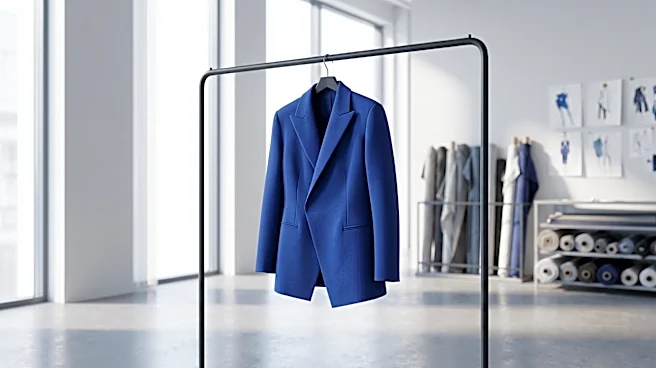
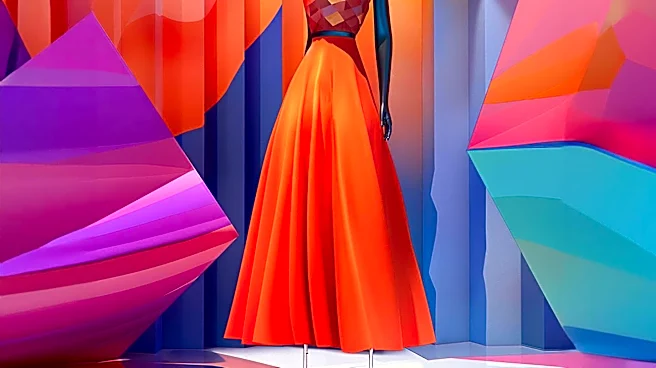
Luma AI and Omnicom are highlighting how artificial intelligence is being utilized by luxury and beauty brands to enhance their creative processes and customer experiences, rather than replacing human artistry. Audrey Amselli, who leads Omnicom Production’s
international portfolio in the luxury and beauty sector, states that AI supports the experience without becoming the experience itself. Jason Day, Head of EMEA for Luma AI, notes that AI provides a competitive advantage, allowing brands to reallocate budgets towards improved ideation, media, and experiential marketing. Carola Dixon, a Luma AI artist and brand partner, emphasizes that while AI assists in product development, imagery, and campaigns, human artistic approval remains indispensable. Brands can use AI for 'heavy-lifting' tasks like reformatting assets and producing copy, even if their narrative focuses on authenticity. For brands embracing fantasy and experimentation, AI can push creative boundaries. The technology is also crucial for justifying premium product value to discerning and price-sensitive consumers by creating memorable and shareable experiences.
Why It's Important?
The strategic integration of AI in the luxury fashion sector, as detailed by Luma AI and Omnicom, has significant implications for U.S. brands and the broader consumer market. For U.S. luxury brands, adopting AI can enhance their global competitiveness by streamlining creative workflows, optimizing marketing spend, and delivering highly personalized customer experiences. This can lead to increased brand desirability and stronger market positioning in a competitive global landscape. The ability of AI to generate detailed product visualizations and support extensive world-building allows U.S. brands to cater to diverse regional markets with tailored content, moving beyond a one-size-fits-all approach. This personalization can resonate deeply with U.S. consumers who increasingly expect bespoke experiences. Furthermore, the automation of administrative tasks through platforms like Luma AI's agents can free up creative teams within U.S. companies to focus on innovation, potentially accelerating product development cycles and reducing time-to-market. This shift could also influence employment trends in the U.S. fashion industry, emphasizing roles that combine creative vision with technological proficiency.
What's Next?
The trend of luxury brands leveraging AI is expected to continue, with platforms like Luma AI evolving to offer more sophisticated tools for collaboration and content generation. Brands will likely further explore hybrid models where AI assists human creatives, rather than replacing them, ensuring that authenticity and craftsmanship remain central to their identity. The development of AI collaboration tools, as highlighted by Jason Day, suggests a future where marketing teams can work more cohesively and efficiently on campaigns. Emerging brands, particularly in the U.S., are poised to benefit significantly from these advancements, as AI can help minimize the traditional costs associated with sample development and marketing, enabling them to launch unique and creative fashion lines more rapidly. This could lead to a renaissance for smaller, independent designers, fostering greater diversity and innovation in the U.S. fashion market. Continued focus will be placed on rigorous human review and quality control to maintain the high standards expected of luxury products, even as AI automates more processes.
Beyond the Headlines
The nuanced application of AI in luxury fashion, as described by Luma AI and Omnicom, delves into deeper philosophical and ethical considerations beyond mere technological adoption. It challenges the traditional notions of creativity and authenticity in an industry often defined by human artistry and craftsmanship. The discussion around AI-generated content and synthetic models raises questions about the definition of 'luxury' itself—does a product retain its premium status if parts of its creation are automated or digitally enhanced? This also touches upon the evolving relationship between technology and human perception of value. Furthermore, the ability of AI to create 'memorable, shareable experiences' could lead to a more immersive and interactive consumer journey, blurring the lines between physical and digital brand engagement. The emphasis on human ingenuity at the center of AI's potential suggests a future where technology serves as an amplifier for human creativity, rather than a substitute, prompting a re-evaluation of creative roles and the value of human input in an increasingly automated world.