









What's Happening?
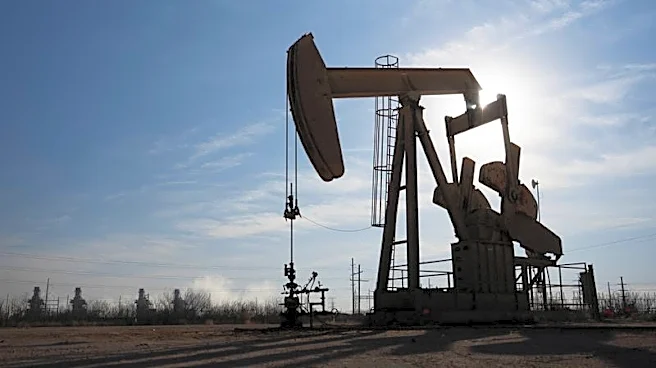
Oil prices experienced an uptick as uncertainty loomed over a potential truce between the U.S. and Iran. The anticipated peace talks in Switzerland were canceled, adding to the volatility in the oil market. Brent crude futures and U.S. West Texas Intermediate
crude both saw increases, although they were still on track for a weekly loss. The geopolitical tensions, particularly the ongoing conflict involving Israel and Hezbollah, have further complicated the situation. Analysts are closely monitoring the situation, as the potential release of over 85 million barrels of oil from the Middle East Gulf could significantly impact global oil supply and prices.
Why It's Important?
The uncertainty surrounding the U.S.-Iran truce has significant implications for global oil markets. A successful agreement could lead to the lifting of U.S. sanctions on Iranian oil, increasing global supply and potentially stabilizing prices. However, the current geopolitical tensions and the cancellation of peace talks have introduced volatility, affecting market confidence. This situation impacts not only oil producers and traders but also consumers, as fluctuations in oil prices can influence economic conditions worldwide. The outcome of these geopolitical developments will be crucial in determining future market trends and energy policies.
What's Next?
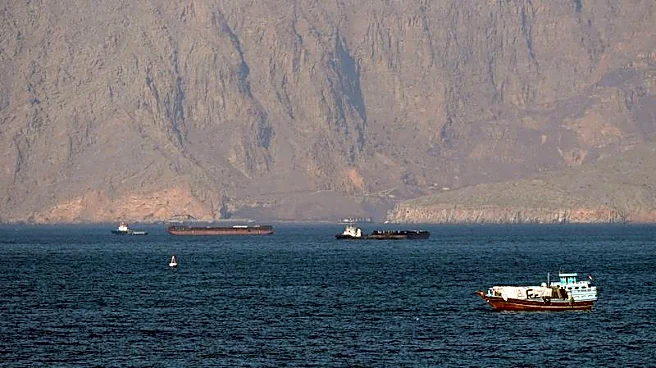
The next steps involve closely monitoring the geopolitical situation and any developments in the U.S.-Iran negotiations. Market participants are awaiting concrete evidence of normalized tanker traffic through the Strait of Hormuz, which is critical for global oil trade. The actions of Middle East producers, who are preparing to resume exports, will also be pivotal. Additionally, the ongoing conflict involving Israel and Hezbollah could further influence the stability of the region and the prospects for a lasting truce. Stakeholders will need to navigate these uncertainties to make informed decisions in the oil market.