








What's Happening?
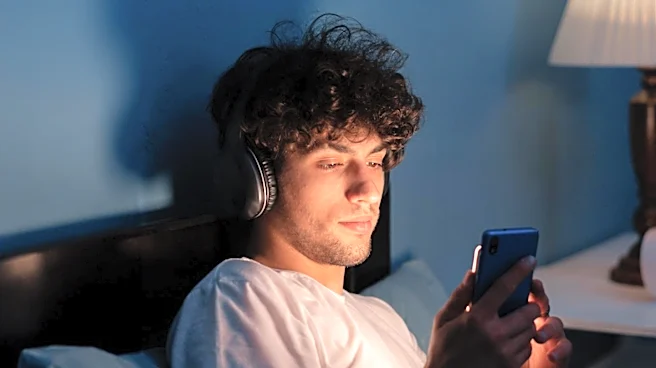
Experts confirm that screen time before bed can significantly harm sleep quality. The primary reason is the blue light emitted by phones, tablets, and laptops, which delays the release of melatonin, the hormone crucial for signaling the body to sleep.
Beyond blue light, the mental stimulation from engaging screen content also plays a role in disrupting sleep. Recommendations suggest avoiding screens for at least 30 minutes before bedtime, with some individuals benefiting from an hour or more. While night mode settings and blue-light blocking glasses offer modest benefits, they do not fully counteract the negative effects. The proximity of screens to the eyes also matters, as closer screens deliver more direct light exposure.
Why It's Important?
This information is vital for public health in the U.S., as sleep deprivation has widespread negative consequences, including impaired cognitive function, reduced productivity, and increased risk of chronic health issues. With the pervasive use of digital devices, understanding the direct link between screen time and sleep quality empowers individuals to make informed choices that protect their health. For children, whose sleep schedules are often more sensitive, the impact can be even more pronounced, affecting their development and academic performance. Promoting healthy sleep habits by limiting pre-bedtime screen exposure can lead to improved overall well-being, better mental health, and enhanced daily functioning across all age groups.
What's Next?
Individuals are advised to implement practical strategies to reduce screen time before bed. This includes establishing a consistent screen-free period, ideally 30 minutes to an hour, before sleep. Creating a relaxing bedtime routine that does not involve digital devices, such as reading a paper book or taking a warm bath, can be beneficial. For parents, it's recommended to ensure children have a longer screen cutoff before bed and to keep screens out of bedrooms overnight. If using a screen is unavoidable, adjusting color temperature to warmer settings and maintaining a greater distance from the eyes can help, though these are not complete solutions. Prioritizing quality sleep by managing screen habits is a key step towards better health.
Beyond the Headlines
The issue of screen time and sleep extends beyond individual habits to broader societal implications, particularly concerning the design of digital devices and content. The constant stimulation and engagement-driven nature of many apps and platforms contribute to the difficulty in disengaging before bed. This raises questions about the ethical responsibilities of tech companies to design products that support, rather than hinder, healthy sleep patterns. Furthermore, the widespread impact on sleep quality could have long-term public health consequences, potentially contributing to a more sleep-deprived and less resilient population. Addressing this requires not only individual behavioral changes but also a collective effort to promote digital wellness through education, responsible technology design, and potentially public health campaigns emphasizing the importance of sleep hygiene in the digital age.