

What's Happening?
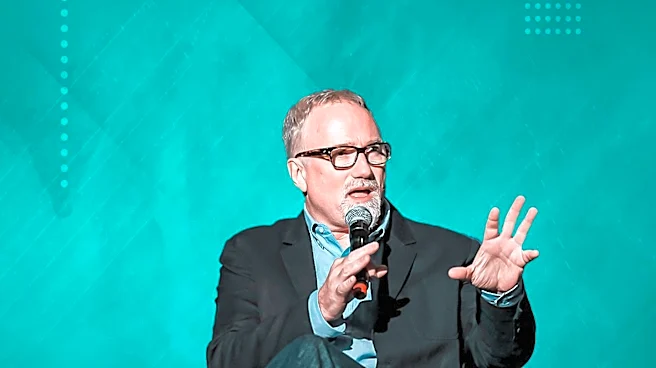
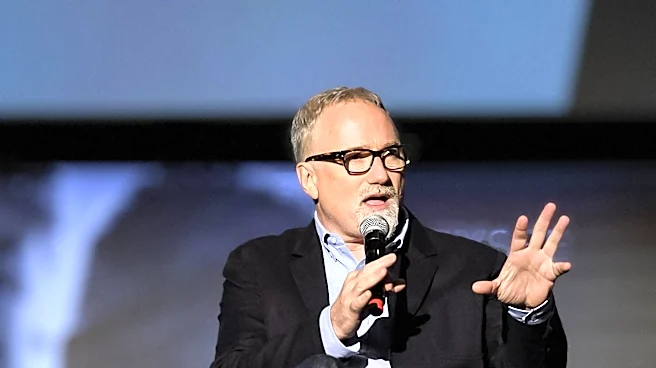
Director David Fincher recently discussed his initial concepts for 'Alien 3,' his feature directorial debut, and the challenges he faced during its production. Fincher shared insights into his rejected pitch for the film, which involved releasing the xenomorph
on a population of 'wretched' individuals with no expectation of rescue or defense. His vision aimed to explore a scenario where these characters would band together to take down the creature, accepting their own demise in the process. Fincher also emphasized his desire to honor the previous 'Alien' installments by Ridley Scott and James Cameron, particularly highlighting Sigourney Weaver's character, Ripley. He praised Ripley's assertiveness and intuition in the original film, noting her correct assessment of the danger posed by John Hurt's character. Fincher also touched upon the maternal themes present in the second film, 'Aliens,' and how Ripley's character evolved through these narratives. The director's comments come as he promotes his new film, 'The Mis-adventures of Cliff Booth.'
Why It's Important?
Fincher's reflections offer a significant glimpse into the creative process behind a major science fiction film and the often-complex relationship between directors and studios. His account underscores how studio interference can alter a filmmaker's original vision, potentially impacting the final product and its reception by audiences and critics. For fans of the 'Alien' franchise, this provides valuable context regarding the development of 'Alien 3,' a film that has garnered mixed reactions over the years. Understanding Fincher's initial ideas can lead to a re-evaluation of the film's narrative choices and character arcs, particularly concerning Sigourney Weaver's iconic role as Ripley. It also highlights the enduring legacy of the 'Alien' series and its influence on subsequent science fiction horror films, demonstrating how foundational character decisions, like Ripley's, continue to resonate and be analyzed decades later.
What's Next?
While Fincher's comments primarily look back at his past work, they contribute to ongoing discussions about director's cuts and the artistic integrity of filmmakers within the studio system. The existence of an assembly cut of 'Alien 3' closer to Fincher's original ideas, albeit without his direct input, suggests a continued interest in alternative versions of films. This could fuel further fan discussions and potentially renewed interest in exploring unreleased or alternate cuts of other major studio productions. For Fincher himself, his focus is currently on promoting his new film, 'The Mis-adventures of Cliff Booth,' which is set for an IMAX release in November and a Netflix debut in December. His reflections on 'Alien 3' may also encourage audiences to revisit his earlier works with a fresh perspective, appreciating the challenges and creative decisions that shaped his career.
Beyond the Headlines
Fincher's candid discussion about his experiences with 'Alien 3' delves into broader themes of creative control versus commercial pressures in Hollywood. His description of 'rats in the water' when production becomes difficult illustrates the often-fraught environment filmmakers navigate. This narrative extends beyond a single film, touching upon the perennial struggle for artistic vision in an industry driven by financial imperatives. The enduring appeal of Sigourney Weaver's Ripley, as highlighted by Fincher, also speaks to the power of strong female protagonists in cinema and their lasting cultural impact. Ripley's character, with her intelligence, resilience, and maternal instincts, broke traditional molds and continues to be a benchmark for complex female roles in genre films. Fincher's appreciation for these elements underscores the importance of character depth and consistency across a franchise, even when facing production hurdles.