





What's Happening?
A new partnership has been formed between Sweep, a sustainability intelligence platform, and HowGood, a company specializing in product carbon footprint automation. This collaboration is designed to improve sustainability reporting for food and agriculture
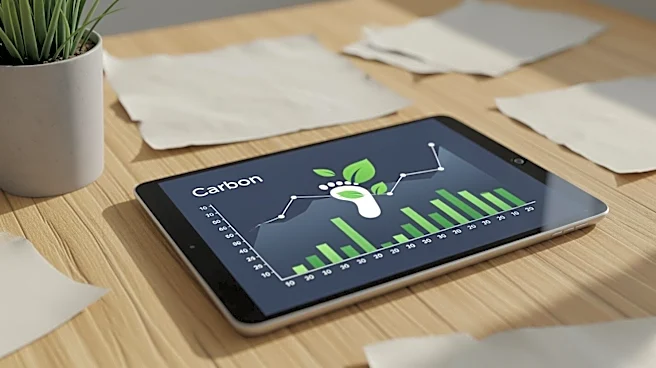
companies by integrating HowGood's extensive database of over 12 million product carbon footprints into Sweep's platform. This integration will allow companies to utilize detailed emissions data at both the ingredient and product levels for Scope 3 carbon accounting, supplier engagement, and regulatory reporting. Scope 3 emissions, which are significant as they often constitute the majority of a company's total greenhouse gas emissions, involve activities from assets not owned or controlled by the company. The partnership aims to replace the uncertainty of generic industry averages with precise, auditable data that reflects actual sourcing and manufacturing processes.
Why It's Important?
This partnership is significant as it addresses a critical challenge in corporate carbon accounting, particularly for food companies that deal with complex sustainability data. By providing a more accurate and actionable foundation for emissions reporting, the collaboration between Sweep and HowGood could lead to more effective strategies for reducing greenhouse gas emissions. This is crucial for companies aiming to meet regulatory requirements and sustainability goals. The ability to report with confidence on Scope 3 emissions can enhance a company's reputation and compliance with environmental standards, potentially leading to competitive advantages in the market. Furthermore, this initiative supports the broader global effort to combat climate change by enabling more precise tracking and reduction of carbon footprints.
What's Next?
As the partnership progresses, food and agriculture companies using the integrated platform can expect to see improvements in their sustainability reporting processes. This could lead to increased engagement with suppliers and more informed decision-making regarding sourcing and manufacturing practices. The collaboration may also prompt other industries to adopt similar approaches to emissions reporting, potentially setting a new standard for corporate sustainability practices. Additionally, as regulatory pressures increase, companies that have already adopted these advanced reporting tools may find themselves better positioned to comply with future environmental regulations.