








What's Happening?
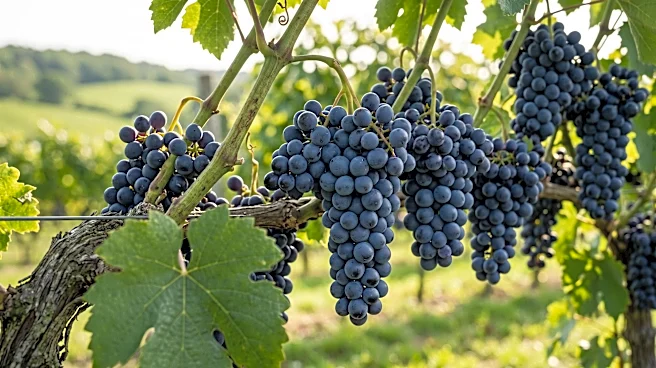
Record high temperatures across Europe have led to an early grape harvest for wine producers, with French wineries anticipating their worst season in 30 years due to heat and drought. Conversely, Nordic countries, particularly Sweden, are experiencing
a boom in their wine industry. Swedish winemakers are celebrating what they believe will be a vintage harvest, largely attributed to the warmer weather patterns. Vineyards in southern Sweden, such as Astad Vineyard in Klagshamn, are reporting excellent growing conditions, including good fruit set and low disease pressure due to a dry summer. The growing season has lengthened, making it easier to ripen grapes in Sweden. This shift is enabling Swedish vineyards to expand significantly, with one winemaker planning a new winery capable of producing 300,000 bottles, a substantial increase from their previous 20,000 bottles. The success of Swedish wine was highlighted when a local vintage was served at a Nobel Prize banquet.
Why It's Important?
This development underscores the significant and varied impacts of climate change on global agricultural industries. While traditional wine-producing regions in Southern Europe face severe challenges, including potential disappearance of 90% of wine-producing areas by the end of the century, new regions in Scandinavia are emerging as viable alternatives. This shift could lead to a remapping of the global wine industry, impacting established markets and creating new economic opportunities in previously unsuitable climates. The increased variability in weather patterns, while beneficial for some northern latitudes, also presents risks such as hail, spring frost, and extreme drought, indicating that even newly thriving regions must adapt to unpredictable conditions. The success of Swedish wine also highlights the potential for innovation in grape varieties, with the Solaris grape proving particularly suited to cooler climates and shorter growing seasons, offering a model for other regions adapting to climate shifts.
What's Next?
The Swedish wine industry is poised for continued growth, with plans for new wineries and increased production capacity. However, the industry faces unique challenges, including Sweden's state monopoly on alcohol sales, which imposes restrictions on direct sales from vineyards. This regulatory environment, designed to limit consumption, could hinder the full economic potential of the burgeoning wine sector. Stakeholders will likely continue to advocate for policy adjustments that balance public health goals with economic development opportunities for local producers. Furthermore, as the industry expands, there will be an increased focus on talent retention and collaboration among regional actors to sustain growth and manage infrastructure needs. The long-term success will depend on adapting to continued climate variability and navigating market access challenges.
Beyond the Headlines
The rise of the Swedish wine industry due to climate change presents a complex narrative of adaptation and disruption. It challenges traditional perceptions of agricultural viability and highlights how environmental shifts can create unexpected economic winners and losers. The ethical dimension of benefiting from a global crisis like climate change is also implicit, as the success in Sweden is directly linked to the struggles in other regions. This phenomenon could lead to broader discussions about sustainable agricultural practices, the development of climate-resilient crops, and the need for international cooperation in addressing the economic consequences of climate change. It also raises questions about cultural identity, as wine production has historically been deeply intertwined with the cultural heritage of regions like France, and its emergence in new locales could reshape culinary and cultural landscapes.