





What's Happening?
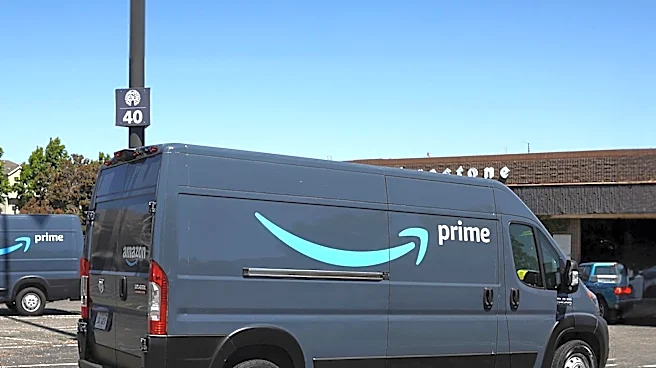
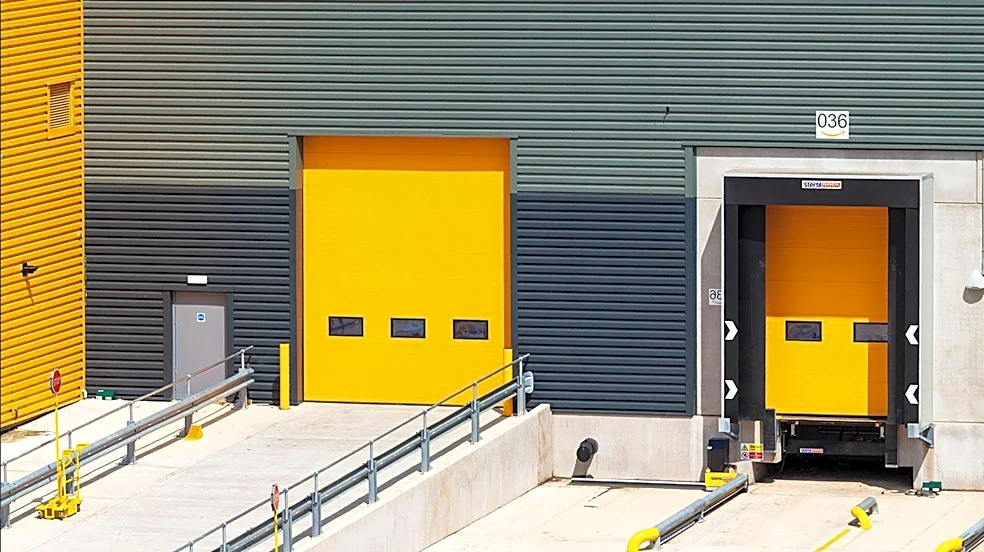
Amazon is actively recruiting Grocery Warehouse Associates in Whittier, California, to support its Amazon Fresh service, which provides ultra-fast, same-day delivery of groceries. These roles are based in specialized 'Grocery Fulfillment Nodes' that differ
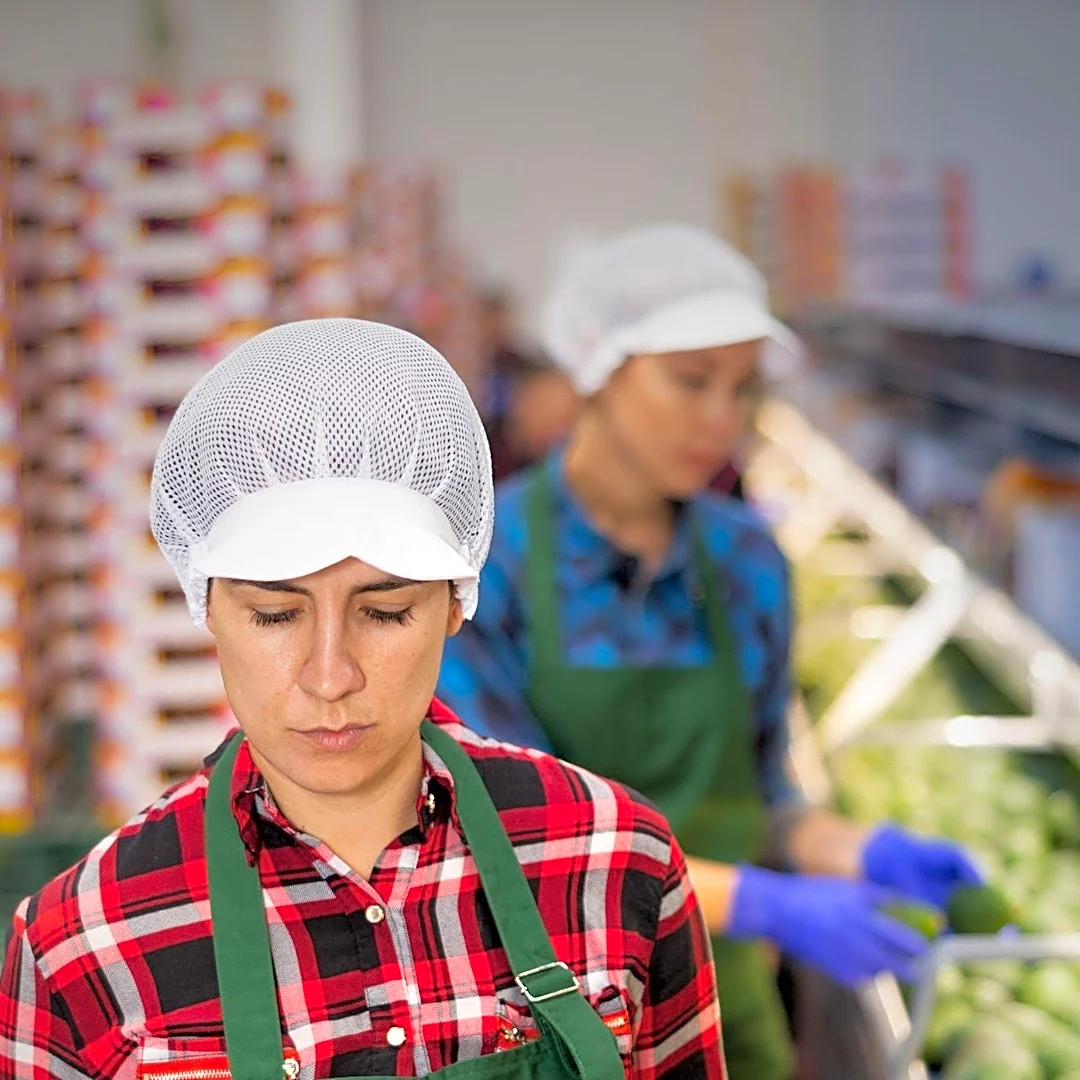
significantly from standard Amazon warehouses. Associates will act as personal shoppers, meticulously selecting items, inspecting produce quality, and verifying expiration dates. The work environment is climate-controlled, with distinct temperature zones for ambient, chilled, and frozen goods, requiring associates to rotate through these areas. Employees will be provided with thermal gear for colder sections and must adhere to strict food safety protocols, including preventing cross-contamination and maintaining sanitized workstations. This initiative aims to enhance Amazon's capacity for rapid grocery delivery.
Why It's Important?
This expansion by Amazon in Whittier, CA, signifies a continued push by major retailers into the competitive same-day grocery delivery market. For consumers, it means increased access to fresh produce and household staples delivered quickly, potentially altering traditional grocery shopping habits. For the local economy in Whittier, it creates new job opportunities, offering competitive pay and comprehensive benefits from day one, including medical, dental, vision, 401(k) with company match, and tuition assistance. This move also highlights the evolving logistics and supply chain strategies within the grocery sector, emphasizing speed and efficiency. Amazon's focus on specialized fulfillment nodes underscores the complexity and specific requirements of handling perishable goods, setting a benchmark for other companies in the industry.
What's Next?
Amazon is expected to continue expanding its Amazon Fresh service and establishing more Grocery Fulfillment Nodes in other strategic locations to meet growing demand for same-day grocery delivery. The company will likely refine its operational processes within these nodes, potentially integrating more advanced technology to further optimize picking, packing, and delivery efficiency. Other major retailers and delivery services, such as Walmart, Amazon, Sprouts, and Costco, are also investing heavily in same-day delivery capabilities, suggesting an ongoing arms race in this sector. This competition will likely lead to further innovations in delivery logistics, potentially lower costs for consumers, and a broader availability of rapid grocery services across the U.S. The focus on employee benefits and flexible scheduling may also influence labor practices within the broader e-commerce and logistics industries.
Beyond the Headlines
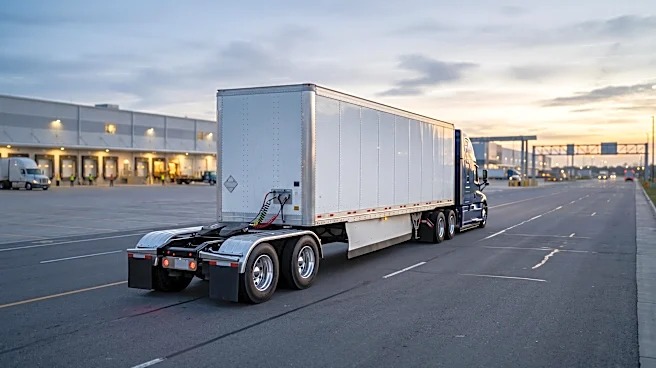
The growth of same-day grocery delivery services, exemplified by Amazon's expansion, has broader implications for urban planning, local businesses, and environmental sustainability. The proliferation of smaller, specialized fulfillment centers in communities like Whittier could lead to changes in local traffic patterns and infrastructure demands. For traditional brick-and-mortar grocery stores, this trend presents a significant challenge, forcing them to adapt their business models to compete with the convenience of rapid delivery. Environmentally, the increased volume of delivery vehicles could raise concerns about carbon emissions and traffic congestion, prompting a need for more sustainable delivery solutions. Furthermore, the emphasis on food quality and safety in these rapid delivery models highlights evolving consumer expectations and regulatory considerations for perishable goods in an e-commerce context.