


What's Happening?
The Japandi interior design style, a fusion of Japanese minimalism and Scandinavian functionality, is increasingly gaining traction. This aesthetic emphasizes simplicity, natural elements, and comfort, drawing from the Japanese concept of 'wabi-sabi'—finding
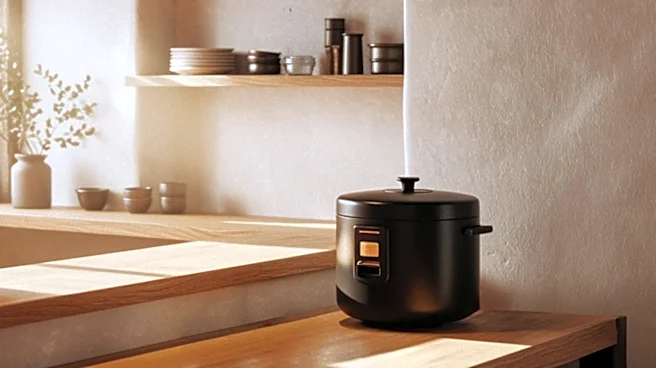
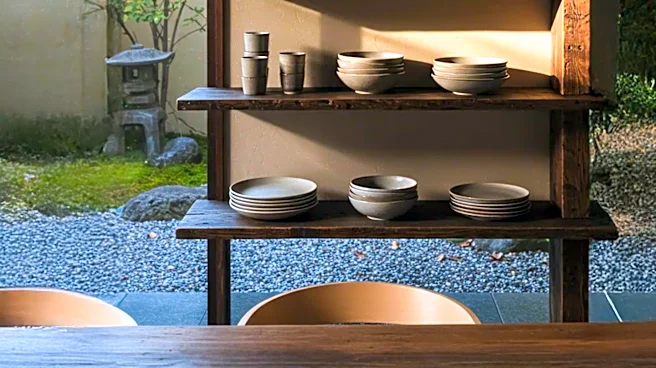
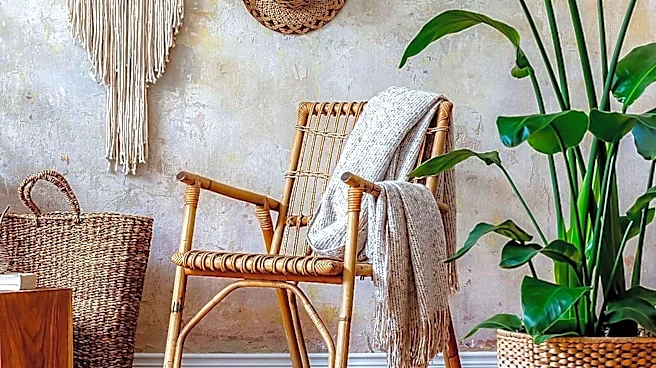
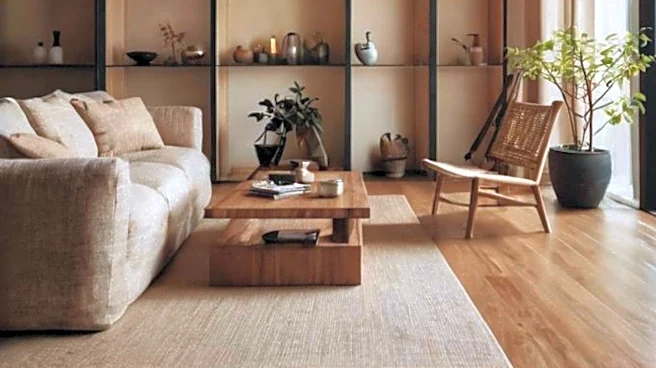
beauty in imperfection—and the Scandinavian principle of 'hygge,' which focuses on coziness and contentment. Key characteristics of Japandi design include muted color palettes, often consisting of soft neutrals and earthy tones, and the use of natural materials such as wood, bamboo, and stone. Furniture in this style is typically simple and functional, while decorative accents are kept to a minimum, favoring artisanal and handmade items. Wood slat walls have emerged as a distinctive feature within Japandi interiors, adding warmth, texture, and clean lines, often crafted from oak to provide durability and a timeless appeal. The style also prioritizes natural light and indoor plants to enhance a connection with nature.
Why It's Important?
The growing popularity of Japandi design reflects a broader societal shift towards mindful living, sustainability, and creating serene home environments. In an increasingly fast-paced world, consumers are seeking interiors that offer a sense of calm and order, aligning with the Japandi ethos of simplicity and purpose. This trend impacts the home furnishings and interior design industries, driving demand for specific types of furniture, materials, and decorative items. Manufacturers and retailers may see increased interest in natural wood products, minimalist designs, and artisanal goods. Furthermore, the emphasis on sustainability and natural materials in Japandi design could influence architectural and construction practices, promoting the use of eco-friendly resources and design principles that prioritize well-being and harmony with nature. The style's focus on functionality and uncluttered spaces also resonates with those seeking practical yet aesthetically pleasing living solutions.
What's Next?
As the Japandi style continues to evolve, it is likely to influence various sectors of the home and lifestyle market. We can anticipate a greater availability of Japandi-inspired furniture lines, home decor collections, and architectural elements like wood slat panels. Interior designers may increasingly incorporate this style into residential and commercial projects, further solidifying its presence in the design landscape. The trend could also spur innovation in sustainable material development and manufacturing processes to meet the demand for natural and eco-friendly products. Additionally, the rise of AI-powered interior design tools that offer Japandi as a style option suggests its continued integration into mainstream design processes, making it more accessible for individuals to visualize and implement this aesthetic in their own spaces. Educational content and workshops on Japandi principles may also become more prevalent as consumers seek to understand and apply this design philosophy.
Beyond the Headlines
Beyond its aesthetic appeal, the Japandi style represents a cultural convergence that highlights shared values between Eastern and Western design philosophies. It underscores a universal human desire for tranquility, connection to nature, and appreciation for craftsmanship. This blend challenges traditional design boundaries, promoting a more integrated and holistic approach to living spaces. Ethically, the emphasis on natural materials and sustainability within Japandi design encourages responsible consumption and production, potentially influencing broader environmental consciousness in the design industry. Culturally, it fosters an appreciation for the subtle beauty of imperfection (wabi-sabi) and the importance of comfort and well-being (hygge), suggesting a deeper shift in how people perceive and interact with their living environments. This trend could lead to a re-evaluation of what constitutes 'luxury' in design, moving away from ostentation towards understated elegance and mindful living.