




What's Happening?
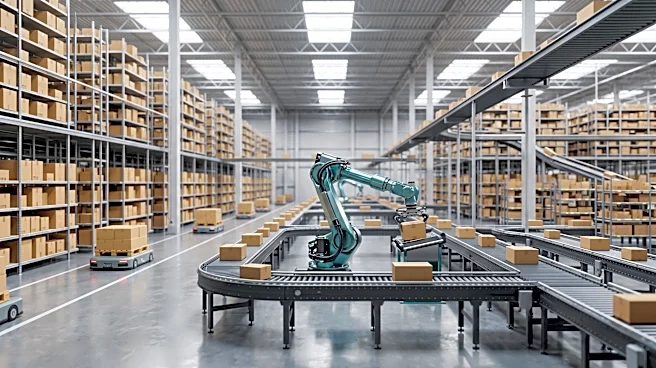
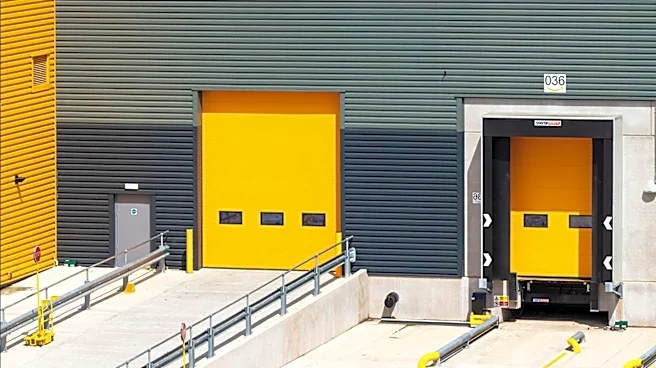
Omnichannel retailing is fundamentally changing the role of warehouses in the retail sector. This approach, which integrates physical stores, online platforms, and mobile applications, demands greater flexibility and efficiency from fulfillment operations.
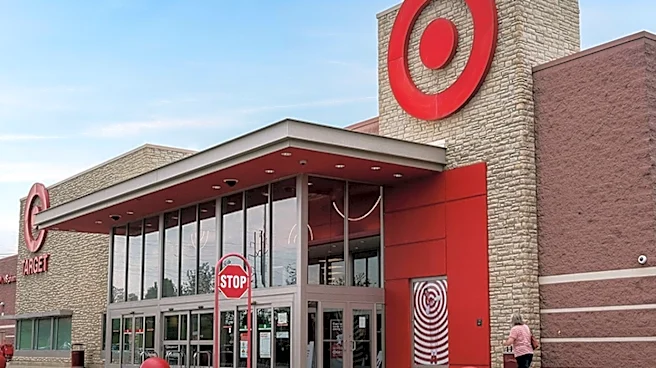
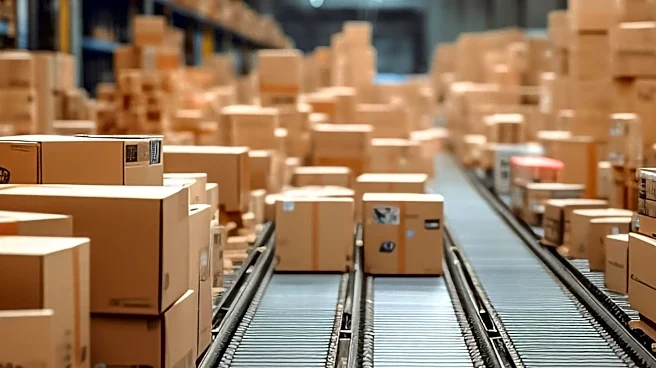
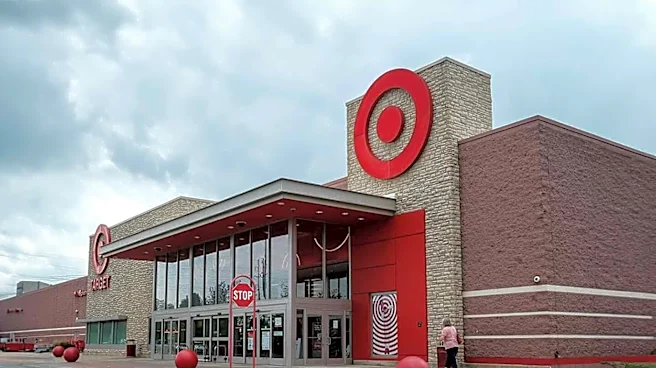
Previously considered a back-end function, warehouses are now central to the customer experience, directly impacting brand perception and customer loyalty. Retailers like Target have adopted strategies such as 'common inventory' to serve both in-store and online shoppers from the same stock. This shift requires warehouses to manage complex scenarios like 'buy online, pick up in store' (BOPIS) and 'ship-from-store' models, where inventory accuracy and rapid routing are critical. The pressure on warehouses is intensified by factors such as viral product demand, marketplace sales, and seasonal peaks, which necessitate adaptable staffing and picking strategies like wave picking. Technology, including barcode scanning, warehouse management systems, and inventory syncing, is crucial for maintaining accuracy and speed in these dynamic environments.
Why It's Important?
The transformation of warehousing due to omnichannel retailing has significant implications for U.S. businesses and consumers. For retailers, efficient fulfillment is no longer just a logistical detail but a key brand differentiator. Customer satisfaction and repeat business are heavily influenced by on-time delivery and accurate order fulfillment. A single negative experience, such as a late or incorrect order, can lead to customer frustration and loss of trust, potentially resulting in a 'never-again customer.' This makes reliable fulfillment a competitive advantage that cannot be easily replicated by competitors. The increased complexity also puts pressure on supply chains, with rising tariffs, supplier costs, and freight charges impacting margins. Businesses that successfully adapt their warehouse operations to omnichannel demands stand to gain increased customer loyalty and market share, while those that fail to adapt risk losing customers and profitability in an increasingly competitive retail landscape.
What's Next?
As omnichannel retailing continues to evolve, the focus for businesses will be on further optimizing fulfillment infrastructure and leveraging technology to meet escalating customer expectations. Retailers will likely invest more in advanced warehouse management systems, automation, and data analytics to predict demand, manage inventory across diverse channels, and streamline picking and packing processes. The integration of artificial intelligence and machine learning could further enhance efficiency and accuracy in warehouses, allowing for more dynamic adjustments to staffing and inventory allocation. Furthermore, there will be a continued emphasis on creating seamless customer journeys, from initial purchase to delivery and returns, with transparent tracking and efficient problem resolution. Companies that can effectively manage these complexities will be better positioned to thrive in the future retail environment, where the physical and digital shopping experiences are increasingly intertwined.
Beyond the Headlines
The shift in warehousing highlights a broader trend in consumer expectations: the demand for instant gratification and personalized experiences. This places immense pressure on the entire supply chain to be agile and responsive. Beyond operational efficiency, there are ethical and labor implications, as increased automation may alter the nature of warehouse jobs, requiring new skill sets and potentially impacting employment. The environmental footprint of increased shipping and returns also becomes a more prominent concern, pushing for sustainable logistics solutions. Furthermore, data privacy and security in tracking customer orders and inventory across multiple platforms will become increasingly critical. The success of omnichannel retailing ultimately depends on a delicate balance between technological advancement, operational excellence, customer satisfaction, and responsible business practices, shaping not just how goods are delivered but also the future of retail employment and environmental impact.