



What's Happening?
Paolo Bulgari, a third-generation jeweler and chairman of the Bulgari Group, passed away on November 21 in Rome at the age of 89. The cause of his death was not immediately disclosed. Bulgari joined the family business in 1960, where his father, Giorgio
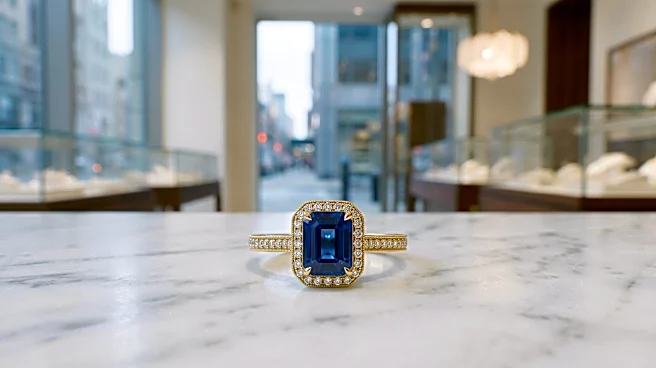
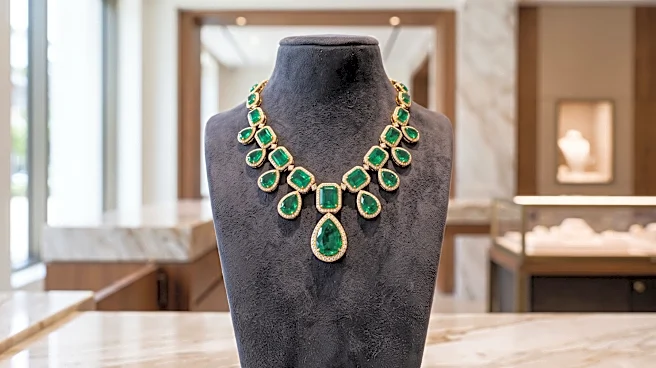
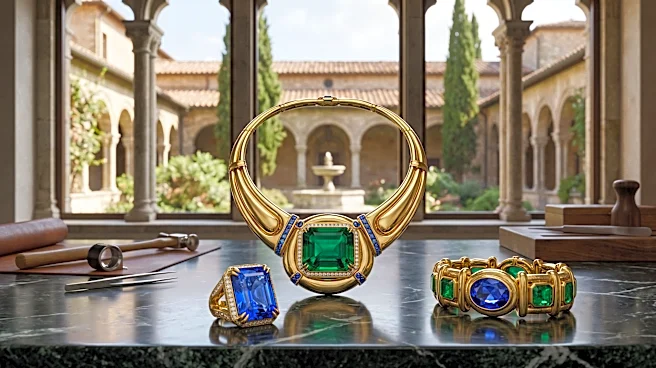
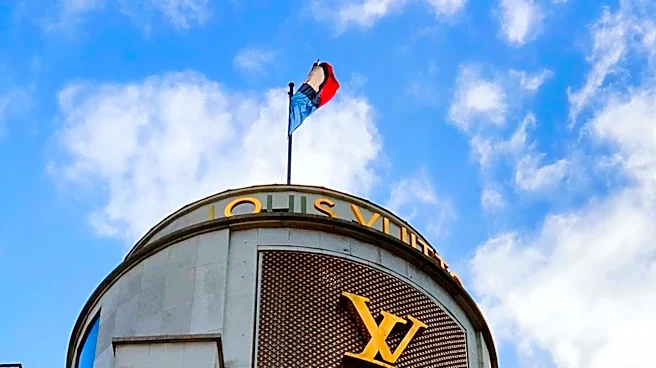
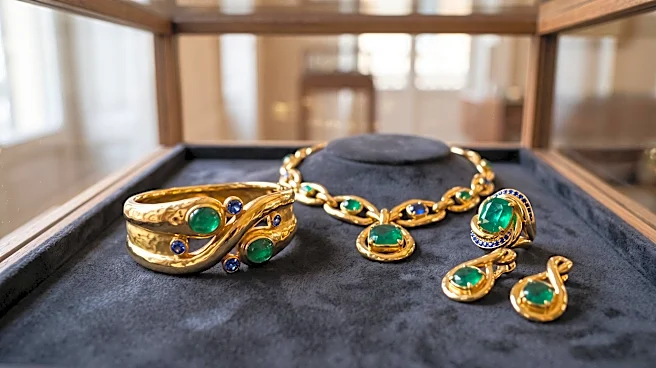
Bulgari, guided him in jewelry design and gemstone sourcing. He became a leading authority on precious stones, which significantly influenced the distinctive aesthetic of the brand. Alongside his brothers, Paolo Bulgari was instrumental in developing an Italian jewelry style characterized by bold combinations of colored gemstones, substantial yellow gold, and designs inspired by ancient Roman architecture. He assumed the role of chairman in 1984 and maintained it even after the company's acquisition by LVMH in 2011. Under his leadership, Bulgari expanded globally, diversifying into watches, leather goods, accessories, fragrances, and hotels, starting with a Milan property in 2004. In 2011, he helped negotiate the sale of the family's controlling interest to LVMH for an estimated $6 billion, ending 127 years of family ownership. The Bulgari family received LVMH shares, becoming the luxury conglomerate's second-largest group of family shareholders at the time.
Why It's Important?
Paolo Bulgari's passing marks the end of an era for one of the world's most prominent luxury jewelry brands. His vision and expertise in precious stones were crucial in shaping Bulgari's unique identity, moving away from more conventional styles to embrace a distinctly Italian aesthetic. This shift not only defined the brand but also influenced broader trends in the luxury jewelry market, emphasizing bold designs and vibrant gemstone combinations. His leadership facilitated Bulgari's transformation from a Roman jewelry house into a global luxury empire, expanding its product lines and international presence. The 2011 sale to LVMH, which he helped orchestrate, was a significant event in the luxury industry, consolidating a major heritage brand under a larger conglomerate. This transaction highlighted the increasing trend of luxury brand acquisitions and the strategic importance of family legacies in the global market. His contributions underscore the impact of individual visionaries in shaping global industries and maintaining brand relevance over decades.
What's Next?
The Bulgari brand, now under the LVMH umbrella, will continue to operate, building on the foundation laid by Paolo Bulgari and his family. While the family's direct operational control ended with the LVMH acquisition, Paolo Bulgari remained chairman, symbolizing the enduring legacy and influence of the founding family. The luxury conglomerate LVMH is expected to continue leveraging Bulgari's established brand identity and heritage to maintain its market position and appeal to high-end consumers globally. The brand's commitment to its distinctive Italian style and craftsmanship, which Paolo Bulgari championed, will likely remain a core element of its strategy. The luxury jewelry market will continue to evolve, but Bulgari's established aesthetic and global presence, largely shaped by Paolo Bulgari's contributions, will ensure its continued prominence. The company will likely continue its expansion in various luxury sectors, including jewelry, watches, and hospitality, maintaining its association with celebrity culture and high-profile events.
Beyond the Headlines
Paolo Bulgari's career reflects a broader narrative within the luxury industry: the delicate balance between preserving family heritage and adapting to global market demands. His decision to sell the controlling interest to LVMH, while ending 127 years of family control, ensured the brand's continued growth and global reach within a larger, more diversified luxury group. This move highlights the challenges faced by family-owned luxury businesses in an increasingly competitive and consolidated market. His emphasis on an 'unmistakably Italian jewelry style' also speaks to the cultural significance of luxury goods, where national identity and artistic heritage are integral to brand value. The brand's association with celebrities like Elizabeth Taylor and Sophia Loren further cemented its status as a symbol of glamour and sophistication, illustrating the powerful interplay between luxury, culture, and public image. His legacy extends beyond business, representing a significant contribution to the art and craft of jewelry making.