



What's Happening?
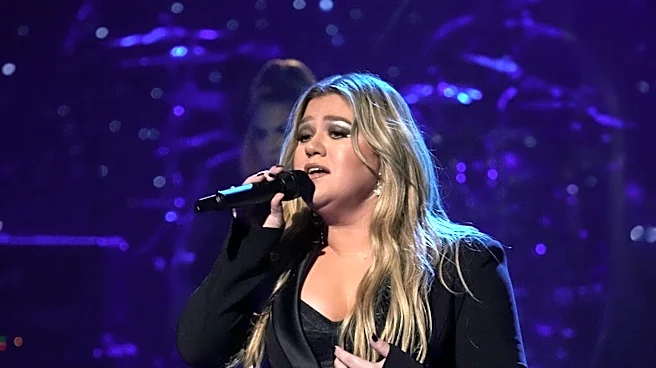
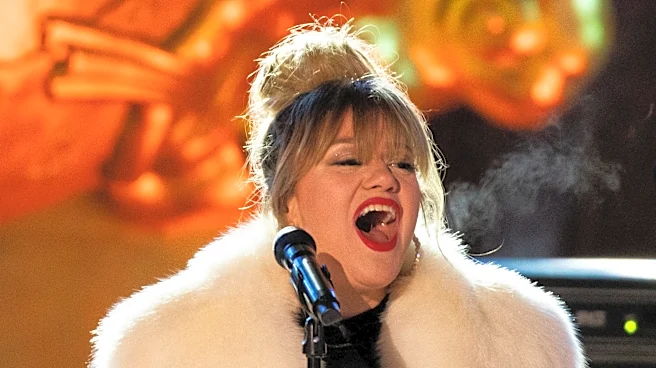
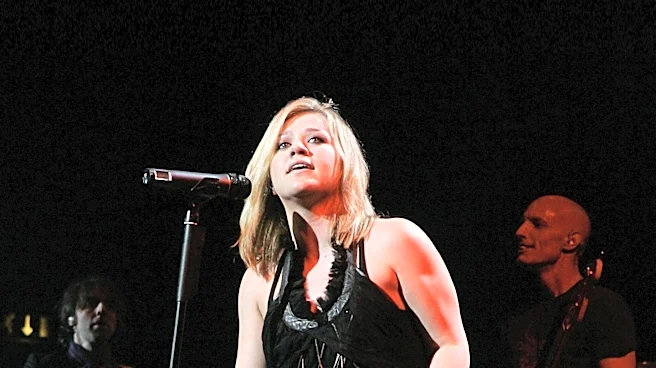
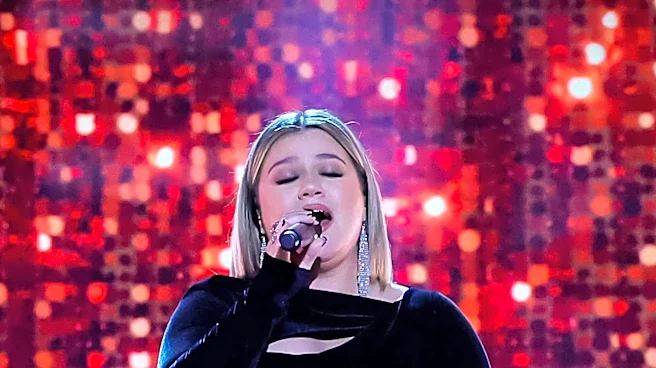
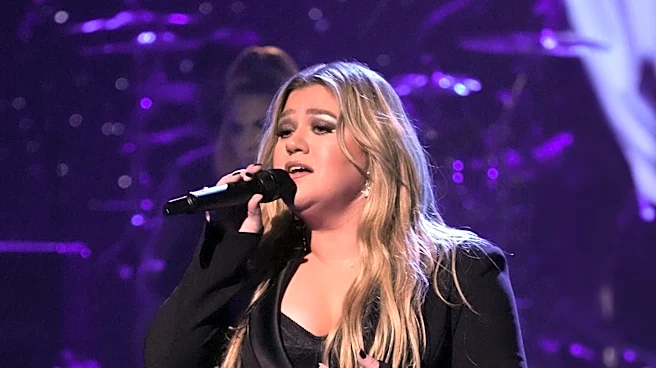
Kelly Clarkson, the American singer and television personality, has publicly accused Art of Play, a curiosity shop in Brooklyn, New York, of treating her poorly, likening the experience to a scene from the film 'Pretty Woman.' Clarkson initially posted
on social media platform X, stating that she felt judged and was told she couldn't afford items she intended to purchase, despite having specific items in mind. She claimed an employee condescendingly offered to find something comparable for her. Art of Play responded on Instagram, clarifying that Clarkson inquired about 'Molly,' a unique singing and dancing bird automaton integral to their magic shows, which is permanently attached to a wall and not for sale. The store expressed surprise at the widespread outrage following Clarkson's post, noting that their small business was 'attacked by 8 million people.' Clarkson subsequently rejected the store's explanation, calling it a 'narrative' and sharing a photo she claimed showed a $15,000 price tag on the bird, asserting that the employee had quoted this price before offering alternatives. She further accused the store of being 'rude' and a 'liar,' emphasizing that supporting small businesses does not grant a 'free pass to treat people less than.'
Why It's Important?
This public dispute highlights the significant influence celebrities wield on social media and the immediate impact their statements can have on small businesses. Clarkson's initial post quickly garnered millions of views, leading to a rapid and widespread backlash against Art of Play. This incident underscores the double-edged sword of social media for businesses: while it offers a platform for direct engagement and marketing, it also exposes them to instant public scrutiny and potential reputational damage from negative celebrity endorsements. For consumers, the event sparks a discussion about customer service expectations, particularly in unique retail environments, and the perception of judgment based on appearance. The differing accounts from Clarkson and Art of Play also bring to light the challenges of resolving disputes in the public eye, where narratives can quickly form and solidify, regardless of the full context. The situation also touches on the broader theme of celebrity privilege versus the struggles of small businesses to maintain their image and operations amidst unexpected public controversies.
What's Next?
The immediate next steps involve continued public discourse on social media, as both Kelly Clarkson and Art of Play have engaged in a back-and-forth exchange. Art of Play has indicated they have reached out to Clarkson directly to 'clear the air' and expressed hope that the misunderstanding can be resolved. It remains to be seen if Clarkson will respond to this private outreach or continue to address the issue publicly. The store may face ongoing scrutiny and potential boycotts from Clarkson's fans, while also possibly gaining new curious customers drawn by the controversy. This incident could lead to increased awareness for Art of Play, both positive and negative, depending on how the situation evolves and is perceived by the public. For other small businesses, this serves as a cautionary tale regarding customer interactions and the potential for rapid escalation of complaints in the age of social media, potentially prompting them to review their customer service policies and online response strategies.
Beyond the Headlines
Beyond the immediate conflict, this event delves into deeper societal implications concerning celebrity culture, consumer rights, and the ethics of public shaming. The 'Pretty Woman' analogy used by Clarkson resonates with a common fear of being judged or dismissed based on appearance or perceived wealth, tapping into a broader cultural narrative about class and consumer dignity. The rapid mobilization of public opinion against Art of Play, a small business, raises questions about the fairness and proportionality of online reactions, especially when fueled by a celebrity's platform. It also highlights the power imbalance between a global celebrity and a local business in controlling their respective narratives. The incident could spark conversations about the responsibility of public figures when sharing negative experiences and the potential for 'cancel culture' to disproportionately affect smaller entities. Furthermore, it underscores the evolving nature of customer service in a digital age, where a single interaction can quickly become a global spectacle, forcing businesses to navigate not just individual complaints but also widespread public sentiment.