



What's Happening?
The city of Livingston, Montana, is facing a significant overhaul of its film permitting process following controversy surrounding the production of a film with the working title 'Pawn Shop.' The movie, distributed by The Daily Wire, a conservative media
outlet founded by Ben Shapiro, sparked protests and community backlash due to its pro-ICE (Immigration and Customs Enforcement) themes, which included staged violence and the portrayal of immigrants. The production, featuring actors like Danny Trejo and Harvey Keitel, led to street closures, simulated gunfire, and explosions, causing disruption and concern among residents. City Manager Grant Gager, who approved the permit, has since resigned, with commissioners citing communication breakdowns and accountability issues. Residents and officials are now questioning the adequacy of Livingston's existing film regulations, which were deemed insufficient for a production of this scale and nature.
Why It's Important?
This incident highlights the growing tension between economic development opportunities presented by film productions and the need for robust local governance and community safeguards. The controversy in Livingston underscores how politically charged content can amplify local issues, turning a film shoot into a battleground for broader societal debates on immigration and free speech. The disruption to essential services, such as a local food pantry, and the perceived lack of adequate public notification, reveal critical gaps in the city's permitting process. This situation serves as a case study for other small municipalities that may lack the infrastructure and experience to manage large-scale, potentially controversial film projects, emphasizing the importance of clear regulations, community engagement, and transparent decision-making to prevent similar conflicts and protect residents' well-being.
What's Next?
Livingston's City Commission has initiated an overhaul of its film-permitting process, aiming to implement more comprehensive regulations. This will likely involve developing clearer guidelines for public notification, managing disruptions to daily life, and addressing the use of simulated violence and armed security on set. Other cities across the U.S. may review their own film permitting processes in light of Livingston's experience, particularly those in areas increasingly attractive to filmmakers. The incident could also lead to increased scrutiny of film content and its potential social and political impact, prompting discussions about the responsibilities of production companies and distributors. The lead producer, Dallas Sonnier, has indicated a willingness to return to Livingston for future shoots, suggesting that despite the controversy, the city remains an attractive location for filmmakers, further emphasizing the need for updated regulations.
Beyond the Headlines
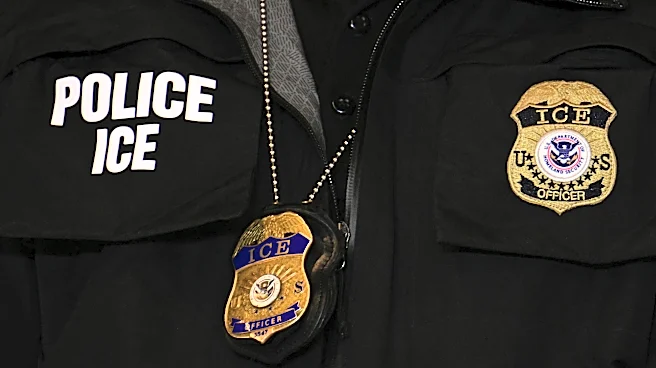
The 'Pawn Shop' controversy in Livingston exposes deeper ethical and cultural implications beyond mere logistical challenges. The film's content, described as 'pro-ICE' and portraying immigrants in a specific light, ignited a debate about artistic freedom versus social responsibility. The presence of armed private security resembling ICE agents further blurred the lines between fiction and reality, contributing to community anxiety and highlighting the potential for film productions to inadvertently militarize public spaces. The incident also reveals the power of social media in rapidly politicizing local events and mobilizing both support and opposition. This case underscores the challenge for local governments to balance economic benefits with the protection of community values, public safety, and the equitable access to essential services, especially when confronted with productions that touch upon sensitive social and political themes.