







What's Happening?
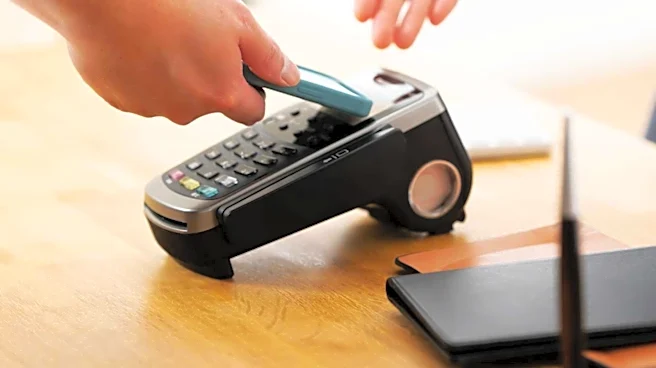
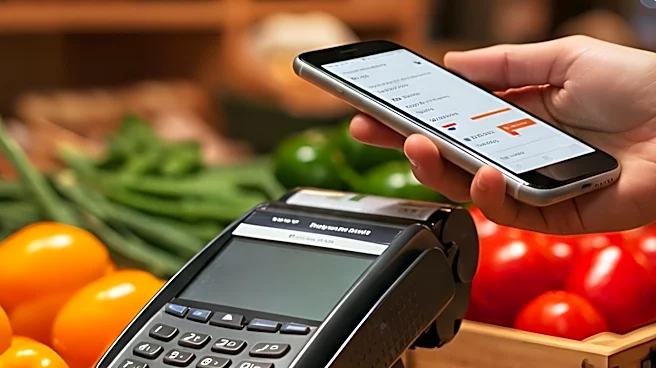
The market for Near Field Communication (NFC) parts is experiencing significant growth, primarily fueled by the increasing demand for contactless payment solutions across various sectors, including retail, healthcare, and transportation. Businesses are integrating
NFC technology to facilitate secure transactions and improve customer convenience, leading to rapid market expansion. In North America, the widespread adoption of smart devices and the rising popularity of mobile wallets have further accelerated the integration of NFC technology. This trend is prompting a shift towards multifunctional, compact NFC components that offer enhanced performance without increasing size. Additionally, the transition to Internet of Things (IoT) applications is influencing the incorporation of NFC into a wide array of smart devices and systems, pushing developers to innovate and meet the evolving demands of a digitally connected environment. Key components in this market include NFC chips, which handle secure data transmission and authentication, and NFC antennas, which enable communication range between devices.
Why It's Important?
The expansion of the NFC parts market signifies a broader shift in consumer behavior and business operations towards more efficient and secure transaction methods. For U.S. industries, this means increased investment in contactless infrastructure, impacting sectors from retail to public transit. Businesses that adopt NFC technology can enhance customer experience, streamline operations, and potentially reduce transaction times. The push for standardized NFC components also highlights a focus on security and affordability, which is crucial for widespread adoption and consumer trust. The integration of NFC into IoT applications suggests a future where everyday devices are more interconnected and capable of seamless, secure interactions, potentially creating new business models and service offerings. Companies like Philips, NXP Semiconductors, and Samsung are key players in this evolving landscape, indicating significant technological and economic competition.
What's Next?
The foreseeable future will likely see continued innovation in NFC technology, with a focus on developing more compact, multifunctional, and secure components. As IoT applications become more prevalent, NFC technology is expected to be integrated into an even wider range of smart devices and systems, from smart homes to industrial applications. This will drive further demand for NFC chips and antennas, pushing manufacturers to enhance performance and reduce costs. Regulatory bodies may also play a role in standardizing NFC protocols to ensure interoperability and security across different platforms and devices. The ongoing growth of mobile wallets and contactless payment methods will continue to be a primary driver, leading to increased adoption in various consumer-facing industries and potentially expanding into new sectors.
Beyond the Headlines
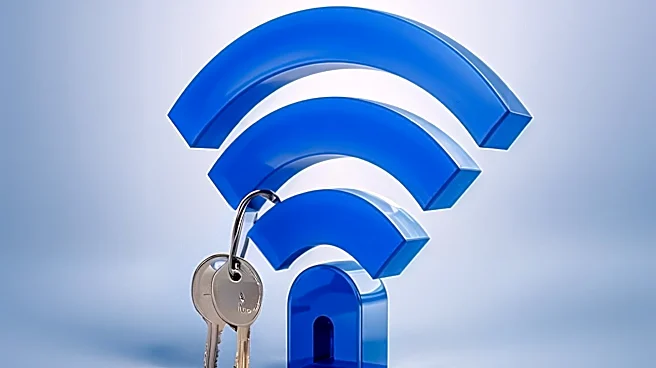
Beyond the immediate applications in payments and IoT, the widespread adoption of NFC technology has deeper implications for data privacy and security. As more personal and transactional data is transmitted wirelessly, the robustness of NFC security protocols becomes paramount. There is a continuous need for advancements in encryption and authentication methods to protect against potential vulnerabilities. Furthermore, the increasing reliance on NFC for various daily interactions could lead to a more seamless, yet potentially less tangible, interaction with technology, raising questions about digital literacy and accessibility for all demographics. The shift towards embedded NFC in everyday objects also blurs the lines between physical and digital spaces, creating new ethical considerations regarding data collection and user consent in an increasingly connected world.