



What's Happening?
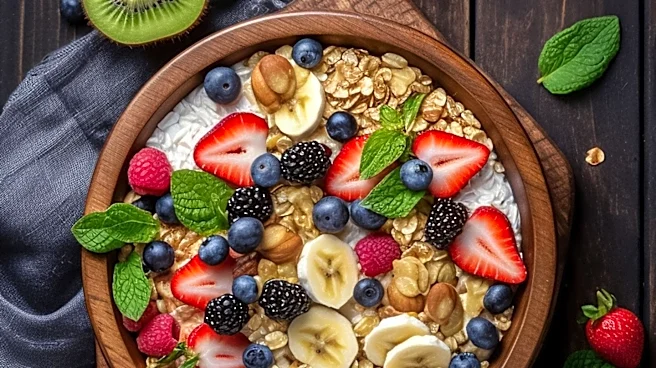
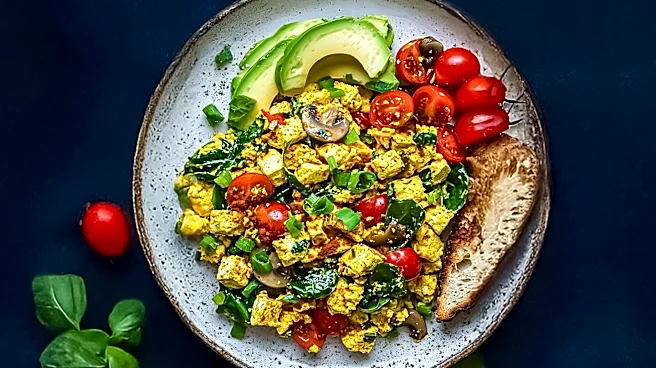
Breakfast bowls have become a viral trend on TikTok, featuring a wide array of ingredients that often combine various nutritional categories into a single dish. These bowls move beyond traditional breakfast foods, incorporating items like asparagus, sweet
potatoes, lentils, falafel, Kalamata olives, and turkey sausage crumbles, alongside more common elements like eggs, bananas, and chia seeds. While dietitians acknowledge the potential for breakfast bowls to promote healthy eating by combining fruits, healthy fats, protein, and fiber, they also caution against blindly mimicking social media influencers. Jaime Foster, program coordinator for social care integration at Trinity Health of New England, notes that while breakfast bowls make healthy eating easier for busy individuals, the elaborate or overly simplistic meals often showcased by influencers can be intimidating. Dietitians emphasize the importance of including fiber and protein while managing saturated fat intake, and advise against chasing trends without considering balanced nutrition. They suggest starting with a base of protein, whole grains, and adding fruits and vegetables.
Why It's Important?
The TikTok trend of breakfast bowls highlights the significant influence of social media on dietary habits and the broader wellness landscape in the U.S. While the trend can encourage healthier eating by promoting diverse nutrient intake, it also underscores the potential for misinformation and unhealthy practices when individuals prioritize viral content over sound nutritional advice. The emphasis by dietitians on balanced nutrition, portion control, and avoiding excessive saturated fats is crucial in counteracting the often-unregulated and sometimes extreme dietary recommendations found on social media. This situation reflects a growing challenge for public health educators to guide consumers through a deluge of online health trends, ensuring that individuals make informed choices rather than simply mimicking influencers. The trend also reveals a societal shift towards more personalized and visually appealing meal preparations, which, if guided by expert advice, could contribute positively to public health by diversifying diets and increasing nutrient intake.
What's Next?
As breakfast bowls continue to trend on social media platforms like TikTok, dietitians and nutrition experts will likely increase their efforts to provide evidence-based guidance on how to create balanced and healthy versions. This may involve developing educational content that demystifies complex nutritional concepts and offers practical tips for incorporating diverse food groups without falling into common pitfalls like excessive fat or sugar. Social media platforms themselves might face pressure to implement features that promote verified nutritional information or flag potentially misleading health claims. Consumers are expected to become more discerning, seeking advice from credible sources rather than solely relying on influencer content. The trend could also lead to an increased demand for pre-packaged or meal-kit options that offer nutritionally balanced breakfast bowls, catering to the convenience factor while ensuring health benefits. Ultimately, the ongoing dialogue between viral trends and expert advice will shape how Americans approach their morning meals and broader dietary choices.
Beyond the Headlines
The breakfast bowl trend on TikTok, and the subsequent dietitian commentary, reveals a deeper tension between the desire for quick, visually appealing solutions in the wellness space and the fundamental principles of balanced nutrition. It highlights how social media can both democratize access to health ideas and simultaneously propagate potentially unhealthy practices due to a lack of expert oversight. This phenomenon speaks to a broader cultural shift where food is not just sustenance but also a form of self-expression and a component of one's personal brand. The challenge lies in educating a generation that consumes information primarily through short-form video content, often prioritizing aesthetics and novelty over scientific accuracy. This situation calls for a more integrated approach to health education, where dietitians and public health professionals actively engage with social media trends to provide credible counter-narratives and empower individuals to critically evaluate online health advice, fostering a more informed and resilient public against dietary fads.