






What's Happening?
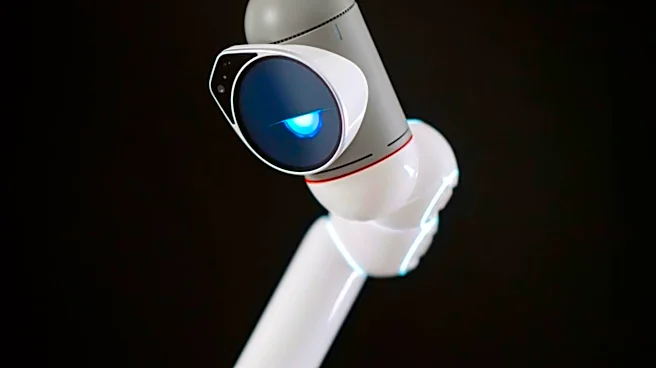
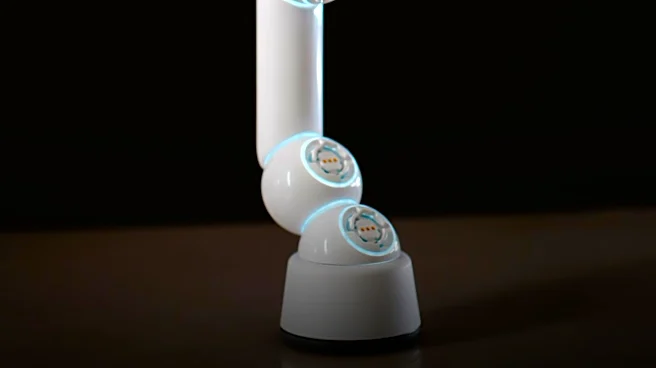
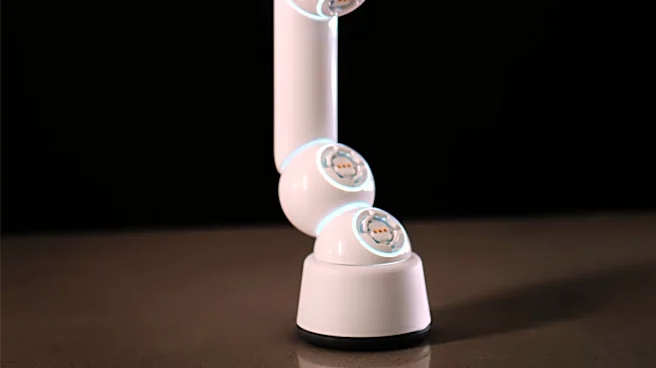
Johnson & Johnson MedTech has introduced its Ottava surgical robot, which has received FDA de novo authorization. This innovative system is the first of its kind to integrate directly into the operating table, designed to save space and enhance efficiency
in surgical environments. The Ottava system features robotic arms that can be stored beneath the table when not in use, reducing the space typically occupied by traditional boom-and-cart systems by 30-50%. The system's software, motors, and sensors coordinate the movement of its four robotic arms, allowing for predefined procedural positions to be set at the push of a button. This automation aims to streamline setup and breakdown processes, thereby saving time and simplifying workflows for surgical teams. The Ottava system is initially indicated for a range of general surgical procedures, including gastric bypass and appendectomy.
Why It's Important?
The introduction of the Ottava surgical robot represents a significant advancement in the field of robotic-assisted surgery. By integrating the robotic system into the operating table, Johnson & Johnson aims to address common spatial constraints in operating rooms, potentially improving surgical efficiency and patient outcomes. The system's design, which includes innovative instruments like a two-in-one needle driver and improved monopolar scissors, addresses common issues reported by surgeons, such as inadvertent suture cuts and dull instruments. This could lead to more precise surgical procedures and reduced operation times. The Ottava system's compatibility with the Polyphonic digital ecosystem further enhances its utility by facilitating data collection, training, and research, which could drive future innovations in surgical practices.
What's Next?
As the Ottava system begins to be implemented in surgical settings, its impact on surgical efficiency and patient outcomes will be closely monitored. Johnson & Johnson may expand the system's indications to include additional surgical procedures, depending on its performance and feedback from the medical community. The integration of the Ottava system with the Polyphonic digital ecosystem suggests potential for ongoing improvements and updates based on real-world data and user experiences. Additionally, the success of the Ottava system could influence other medical technology companies to explore similar innovations, potentially leading to broader advancements in robotic-assisted surgery.