





What's Happening?
The design of computer chairs for home offices is evolving, moving beyond traditional ergonomic shells to offer a wider range of styles that prioritize both comfort and aesthetic integration into residential spaces. New designs include boardroom classics
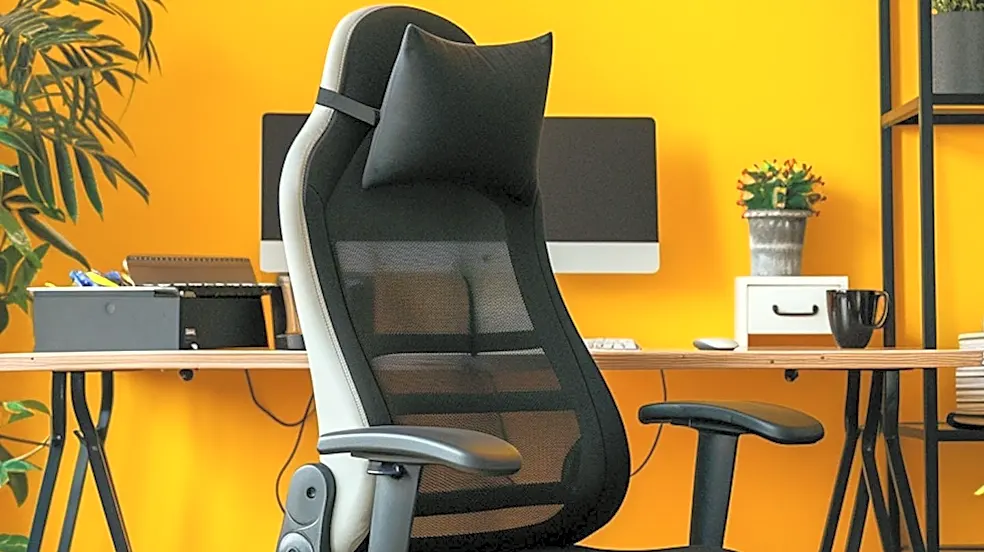
scaled down for home use, chairs with extensive cushioning for a lounge-like feel, and options that blur the line between office and reading chairs. The focus is on chairs that not only support posture and productivity but also complement the existing decor of a home, avoiding the out-of-place look of some conventional office chairs. Materials like mesh for breathability and boucle fabric for a softer, more lived-in feel are being incorporated, alongside features like pull-out ottomans and retractable footrests.
Why It's Important?
With the rise of remote work, the computer chair has become a central piece of furniture in many U.S. homes, impacting both physical health and the overall ambiance of living spaces. Investing in a well-designed chair is crucial for preventing discomfort and promoting productivity during long working hours. The shift towards more aesthetically pleasing and comfortable designs acknowledges that home offices are often integrated into personal living areas, requiring furniture that doesn't compromise the home's decor. This trend benefits individuals seeking to create a harmonious and functional workspace, as well as furniture manufacturers and retailers who can cater to a broader market with diverse needs and preferences for style and comfort.
What's Next?
The market for home office furniture, particularly computer chairs, is expected to continue its expansion and diversification. Consumers can anticipate further innovations in ergonomic support combined with stylish designs, offering more customization options in terms of materials, colors, and features. There will likely be an increased emphasis on sustainable and eco-friendly materials in chair manufacturing. Additionally, the integration of smart technology into office chairs, such as posture sensors or personalized adjustment systems, could become more common. As the lines between work and leisure continue to blur, chairs that seamlessly transition between different activities and settings within the home will likely gain popularity.
Beyond the Headlines
The evolution of computer chair design reflects a broader cultural shift in how work is perceived and integrated into daily life. The move away from purely utilitarian office furniture towards pieces that are both functional and aesthetically pleasing suggests a desire to humanize the workspace, making it less sterile and more aligned with personal comfort and style. This trend could influence interior design philosophies, promoting a more holistic approach to home environments where every piece of furniture serves multiple purposes and contributes to overall well-being. It also highlights the growing importance of individual comfort and personalization in an era where work-life boundaries are increasingly fluid, potentially leading to a redefinition of what constitutes a 'professional' workspace.