

What's Happening?
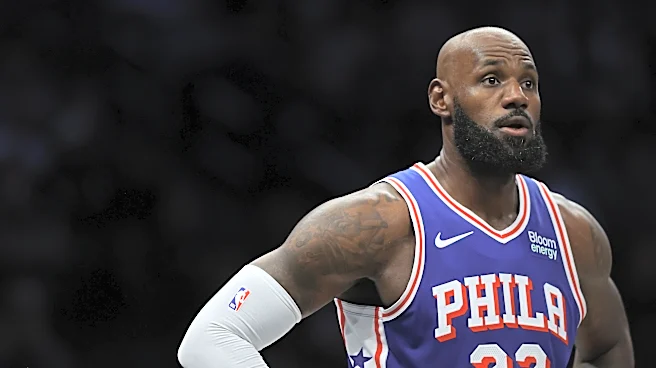
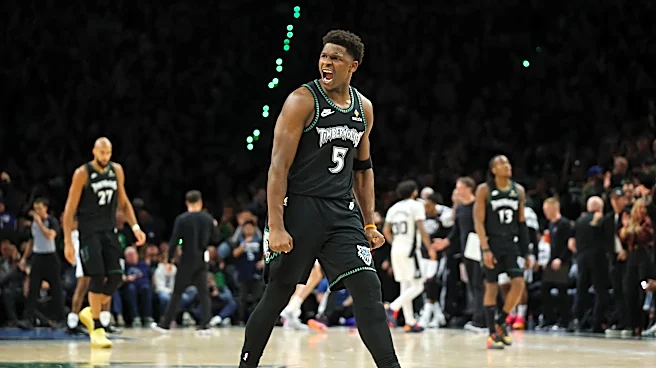
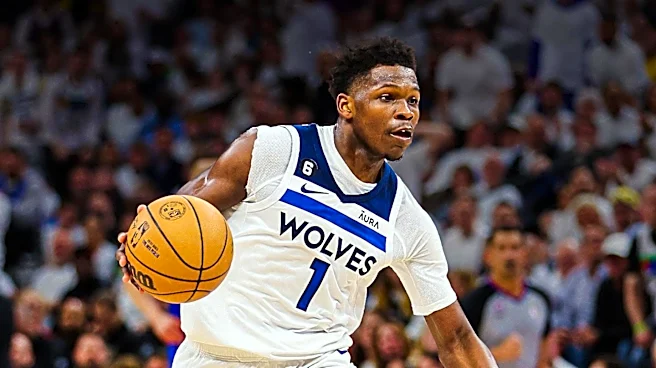
Minnesota Timberwolves star Anthony Edwards recently featured in an Adidas commercial that playfully jabbed at LeBron James. The advertisement joked about James potentially choosing the Philadelphia 76ers over joining Edwards in Minnesota, attributing
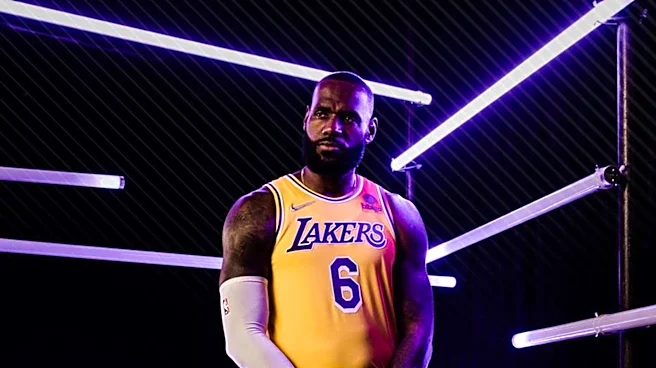
the decision to James's 'aging knees' and the cold weather. LeBron James, a long-time Nike athlete, responded to the commercial during an episode of the 'Mind the Game' podcast with Steve Nash. James, while laughing, stated he hadn't watched the advertisement because he doesn't 'watch anything from the stripes,' referring to Adidas's signature three stripes, emphasizing his loyalty to Nike. He acknowledged seeing headlines about Edwards's remarks but admitted he wasn't fully familiar with the joke. James lightheartedly countered Edwards's reasoning, quipping that his knees wouldn't be 'any warmer in Philly.' He also suggested that Edwards was likely just reading lines provided for the commercial rather than intentionally disrespecting him. James's reaction was described as good-natured, indicating a mutual respect between the two players.
Why It's Important?
This interaction highlights the evolving landscape of athlete endorsements and personal branding in professional sports. For Anthony Edwards, it showcases his growing confidence and marketability, allowing him to engage in playful banter with one of basketball's all-time greats. This kind of personality-driven marketing can significantly boost an athlete's public profile and appeal, attracting more endorsement opportunities and fan engagement. For LeBron James, his response reinforces his strong, long-standing relationship with Nike, a partnership that has defined a significant portion of his career and brand. The exchange also demonstrates a healthy, competitive, yet respectful dynamic between different generations of NBA stars. This type of lighthearted rivalry, often amplified through media and advertising, contributes to the broader entertainment value of the NBA, drawing in more viewers and fostering fan discussions. It also subtly underscores the intense competition between major sports apparel brands like Nike and Adidas for top-tier athlete endorsements.
What's Next?
The playful exchange between Anthony Edwards and LeBron James is likely to continue to be a talking point among NBA fans and sports media, potentially leading to more lighthearted interactions or responses from other athletes. This type of viral content often generates further engagement on social media platforms, benefiting both players' public images and their respective endorsement partners. For Adidas, the commercial has already achieved its goal of generating buzz and associating Edwards with a confident, humorous persona. Nike, in turn, benefits from James's unwavering loyalty, reinforcing its brand image through one of its most iconic athletes. Future advertising campaigns from both brands may subtly or overtly reference this interaction, leveraging the established narrative for continued marketing impact. This dynamic could also inspire other athletes to engage in similar playful 'diss tracks' or competitive banter through their endorsements, further blurring the lines between sports, entertainment, and advertising.
Beyond the Headlines
Beyond the immediate humor, this interaction reflects a broader cultural shift in how athletes engage with their public image and brand partnerships. Modern athletes like Anthony Edwards are increasingly empowered to showcase their personalities, even if it means playfully challenging established figures. This contrasts with older eras where athletes might have been more reserved in their public statements, especially concerning rivals or legends. The exchange also underscores the significant influence of social media and digital platforms in amplifying these interactions, turning a simple commercial into a widely discussed event. It highlights how sports marketing has evolved from straightforward product endorsements to narrative-driven content that leverages athlete personalities and rivalries. This trend not only entertains but also creates deeper connections between fans and athletes, fostering a more dynamic and engaging sports culture where humor and personality are as valued as on-court performance.