






What's Happening?
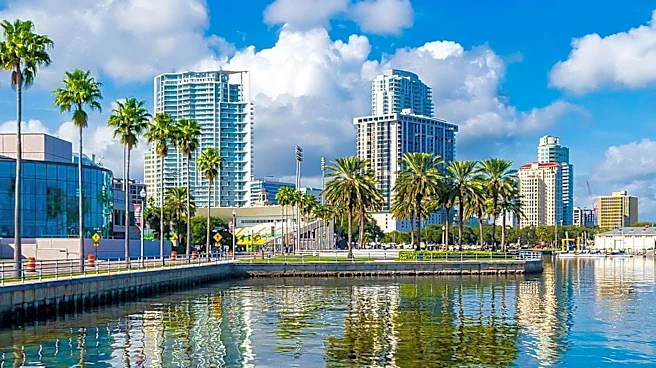
Miami, Florida, has been recognized as one of the top 10 cities globally for digital nomads, attracting thousands for both short-term and long-term co-living stays. The city's appeal stems from its fast internet, diverse cuisine, year-round pleasant weather,
and vibrant cultural scene. Miami offers a wide array of activities, from nightlife and beaches to a strong local arts scene and Cuban culture. The abundance of nomad meet-ups and events further enhances its attractiveness. The city's metro area is one of the largest in the U.S., with a population of approximately 5.5 million, and it boasts the largest collection of Art Deco architecture on Miami Beach. Miami is also surrounded by two national parks, Biscayne National Park and Everglades National Park, and offers over 50 shipwrecks for diving enthusiasts.
Why It's Important?
Miami's rise as a digital nomad hub signifies a growing trend in the U.S. where cities are adapting to the needs of a mobile workforce. This development has significant implications for urban planning, housing markets, and local economies. The influx of digital nomads can stimulate local businesses, particularly those in hospitality, food, and entertainment, while also increasing demand for flexible housing solutions like co-living spaces. For U.S. citizens and international remote workers, Miami offers an attractive alternative to traditional living arrangements, combining work flexibility with a high quality of life. The emphasis on co-living addresses the challenge of finding affordable housing in desirable locations, providing a community-oriented solution that balances privacy with shared amenities. This trend could influence other U.S. cities to invest in infrastructure and policies that cater to digital nomads, fostering economic growth and diversification.
What's Next?
The continued growth of Miami as a digital nomad destination is likely to drive further development in co-living spaces and related services. This includes an expansion of furnished rooms with individual leases and all-inclusive pricing, designed to attract remote workers. The city may see increased investment in high-speed internet infrastructure and the proliferation of co-working spaces to support the professional needs of this demographic. Local businesses and community organizations will likely continue to develop events and meet-ups tailored to digital nomads, fostering a stronger sense of community. As the digital nomad population grows, there may also be a need for local governments to consider specific policies or initiatives to integrate these temporary residents into the broader urban fabric, addressing issues such as healthcare access, local taxation, and community engagement.
Beyond the Headlines
Miami's success as a digital nomad hub reflects a broader societal shift towards valuing flexibility, experience, and community in living and working arrangements. The co-living model, in particular, challenges traditional notions of homeownership and long-term rentals, offering a more fluid and communal lifestyle. This trend could lead to a re-evaluation of urban development strategies, with a greater focus on creating mixed-use spaces that integrate living, working, and social activities. Ethically, the influx of digital nomads can bring both opportunities and challenges, including potential impacts on housing affordability for long-term residents and the need to ensure equitable access to city resources. Culturally, the blending of diverse populations can enrich the city's social fabric, but also requires thoughtful approaches to integration and cultural exchange to prevent gentrification and maintain local identity.