


What's Happening?
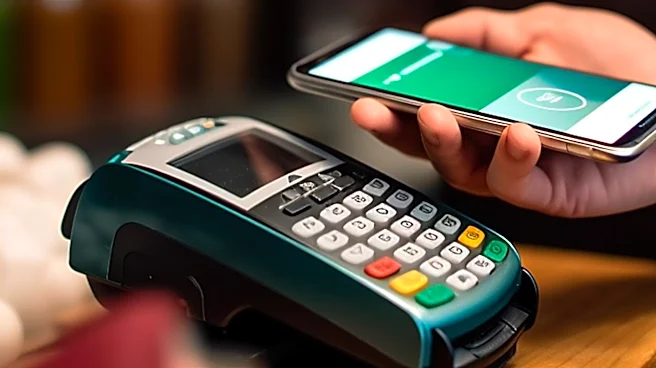
Worldpay, a financial services company and subsidiary of Global Payments, Inc., continues to operate with a quote-only pricing model for its U.S. merchant services in 2026. Unlike some competitors, Worldpay does not publish a standardized U.S. rate card.
Instead, all pricing components, including flat-rate fees, interchange-plus markups, per-transaction fixed fees, and monthly minimums, are individually negotiated with each merchant. These specific rates are disclosed only within the signed merchant agreement. The company's pricing page provides a form for businesses to submit details and receive an indicative quote, rather than a public list of rates. This approach means that rates can vary significantly based on factors such as transaction volume, industry vertical, channel mix, and contract length, making it rare for two merchants to receive identical quotes. Merchants are advised to request all monthly, statement, PCI, and batch fees in writing alongside their rate quotes.
Why It's Important?
This pricing strategy by Worldpay has significant implications for U.S. businesses seeking payment processing services. The lack of a transparent, public rate card can make it challenging for merchants to easily compare Worldpay's offerings with those of other providers, potentially leading to less informed decision-making. Businesses must engage in direct negotiations, which requires a deeper understanding of their own transaction profiles and the various fee structures involved in payment processing. This model particularly impacts enterprise merchants who require a comprehensive acquiring footprint across the U.S., UK, and EMEA, as they must navigate complex, customized contracts. While this approach allows for tailored solutions that can potentially benefit high-volume or specialized businesses, it also places a greater burden on merchants to scrutinize every detail of their agreements to avoid unexpected costs. Smaller businesses or those with less negotiating power might find this system less accessible or more difficult to navigate compared to providers with published, standardized rates.
What's Next?
Merchants considering Worldpay for their payment processing needs will need to continue engaging in direct negotiations to ascertain their specific rates. The company's focus on individualized quotes suggests a continued emphasis on bespoke solutions for enterprise-level clients. Businesses should prepare to provide detailed information about their transaction volumes, industry, and operational channels to receive an accurate quote. Furthermore, they should be diligent in requesting a comprehensive breakdown of all potential fees, including monthly, statement, PCI, and batch fees, to ensure full transparency before committing to a contract. The ongoing trend of digital payments, as highlighted by the Global Payments Report 2026, indicates that payment apps are projected to account for 46% of global point-of-sale value by 2030, suggesting that payment processors like Worldpay will continue to adapt their services to evolving digital payment landscapes, even if their pricing models remain consistent.
Beyond the Headlines
Worldpay's quote-only pricing model reflects a broader trend in the financial services industry where complex, enterprise-level solutions often involve highly customized contracts. This approach can foster stronger client relationships through personalized service and tailored risk assessments, but it also raises questions about market transparency and fairness, particularly for smaller businesses. The reliance on negotiated rates can create an information asymmetry, where the provider holds more data and expertise regarding pricing structures. This dynamic underscores the importance of financial literacy and due diligence for businesses when selecting payment processors. The model also highlights the competitive landscape of payment processing, where providers differentiate themselves not just on technology but also on their commercial engagement strategies, balancing the need for flexibility with the demand for clarity in a rapidly evolving digital payments ecosystem.