


What's Happening?
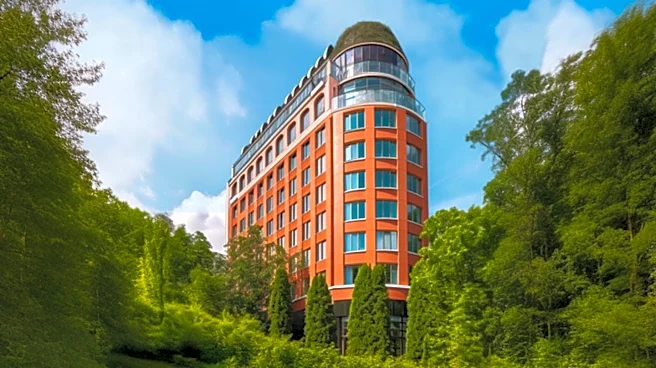
1 Hotels has officially launched its first Texas property, 1 Hotel Austin, situated within the 74-story Waterline skyscraper, the state's tallest tower. This mixed-use development now houses the 252-room hotel, which includes 60 suites. The brand's design
and operational philosophy are deeply rooted in celebrating nature and promoting healthy, sustainable living. According to Barry Sternlicht, founder of 1 Hotels and chairman of Starwood Hotels, the location was specifically chosen for its proximity to Waller Creek, Waterloo Greenway, and Lady Bird Lake, fostering a connection between urban life and nature. The hotel's interior design incorporates natural materials such as locally quarried limestone, oak, and reclaimed wood from historic American structures. Guest rooms offer views of Lady Bird Lake, Waller Creek, or the downtown skyline. The property features three distinct dining options: Alteño, a Mexican restaurant led by Michelin-starred Chef Johnny Curiel; Neighbors Café and Wine Bar at street level; and Watr, a Japanese restaurant located on the rooftop. Additionally, 1 Hotel Austin includes a dedicated floor for the Bamford Wellness Spa, offering six private treatment rooms, a couples suite with a steam shower, and relaxation areas. This opening follows 1 Hotels' recent expansion with 1 Hotel Tokyo and the introduction of a mission-driven loyalty program.
Why It's Important?
The opening of 1 Hotel Austin signifies a notable expansion for the 1 Hotels brand into the Texas market, particularly within a prominent urban development. This move highlights the growing demand for luxury accommodations that integrate sustainability and nature-inspired design, even in bustling city centers. The hotel's emphasis on locally sourced materials and its location near natural landmarks could set a new standard for eco-conscious hospitality in the region. For the local economy, the establishment of a high-profile hotel within the Waterline skyscraper is expected to boost tourism and create numerous job opportunities in the hospitality sector. The inclusion of Michelin-starred Chef Johnny Curiel's restaurant, Alteño, also elevates Austin's culinary scene, potentially attracting food enthusiasts and further solidifying the city's reputation as a gastronomic destination. The investment in wellness facilities, such as the Bamford Wellness Spa, caters to a demographic increasingly prioritizing health and well-being during their travels, reflecting a broader trend in the luxury travel market. This development could also influence future urban planning and architectural trends in Texas, encouraging more mixed-use projects that blend luxury living with environmental considerations.
What's Next?
Following its debut, 1 Hotel Austin will focus on establishing its presence in the competitive Austin hospitality market. The hotel will likely leverage its unique nature-rich ethos and luxury amenities to attract both local and international guests. Marketing efforts will probably highlight its sustainable practices, culinary offerings, and wellness facilities to differentiate itself. The success of 1 Hotel Austin could pave the way for further expansion of the 1 Hotels brand within other major U.S. cities, particularly those with a growing emphasis on sustainability and luxury experiences. The performance of its restaurants, especially Alteño under Chef Johnny Curiel, will be closely watched as a benchmark for high-end dining within hotel properties. The hotel's integration into the Waterline skyscraper, a mixed-use development, may also serve as a model for future urban projects, demonstrating how luxury hospitality can coexist and thrive within larger residential and commercial complexes. Additionally, the hotel's mission-driven loyalty program will continue to evolve, aiming to foster a community of environmentally conscious travelers and reinforce the brand's commitment to sustainability.
Beyond the Headlines
The opening of 1 Hotel Austin reflects a deeper societal shift towards integrating environmental consciousness into luxury experiences. This trend extends beyond mere aesthetics, influencing operational practices, material sourcing, and even the culinary offerings. The hotel's commitment to using reclaimed wood and locally quarried limestone speaks to a growing consumer demand for authenticity and a reduced environmental footprint. This approach challenges traditional luxury hospitality models by demonstrating that opulence and sustainability are not mutually exclusive but can enhance each other. Furthermore, the strategic placement of the hotel within a mixed-use skyscraper highlights a broader urban development philosophy that seeks to create self-contained ecosystems where living, working, and leisure converge. This integration can foster a more vibrant urban environment and reduce the need for extensive travel within the city. The emphasis on wellness, through facilities like the Bamford Wellness Spa, also underscores a cultural shift where health and well-being are increasingly viewed as integral components of a luxurious lifestyle, moving beyond superficial indulgence to holistic enrichment. This development could inspire other industries to adopt similar integrated and sustainable approaches.