



What's Happening?
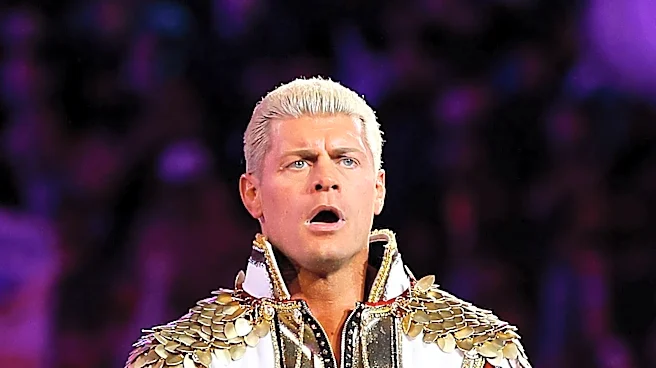
Bully Ray, a Hall of Famer, has speculated on the possibility of Cody Rhodes undergoing a 'heel turn' in WWE, suggesting that the timing for such a character shift 'may never be right.' Ray's comments on 'Busted Open Radio' follow remarks by Randy Orton,
who claimed Rhodes tends to 'compromise' his character to maintain peace. While many, including Ray, believe a heel turn for Rhodes is overdue, Ray argues that the stars may not align for this to happen. He noted that he observed 'heel tendencies' in Rhodes during their time together in Ring of Honor, describing him as someone who wasn't rude but possessed identifiable traits that could lend themselves to a villainous persona. Ray believes that a compelling reason would be needed for fans to boo Rhodes, and that the various elements of Rhodes' career—such as his family legacy, his 'Stardust' gimmick, his departure to help build AEW, and his return to WWE—could eventually converge to create a powerful heel character.
Why It's Important?
The discussion surrounding a potential heel turn for Cody Rhodes is significant for several reasons within the professional wrestling landscape. A heel turn for a top 'babyface' (heroic character) like Rhodes can dramatically alter storylines, create new rivalries, and inject fresh energy into WWE programming. It reflects the constant need for character evolution in sports entertainment to keep audiences engaged. For Rhodes, such a shift would represent a major career pivot, potentially unlocking new creative avenues and challenging his established persona as the 'American Nightmare.' The debate also highlights the intricate art of character development in wrestling, where a performer's real-life history and perceived personality are often woven into their on-screen persona. Bully Ray's insights, coming from a veteran with extensive experience in character work, underscore the strategic considerations involved in such a pivotal decision, including fan reception and long-term narrative impact.
What's Next?
The speculation about Cody Rhodes' heel turn will likely continue to be a topic of discussion among wrestling fans and pundits. While Bully Ray suggests the timing might never be perfect, the nature of professional wrestling means that character shifts can occur unexpectedly, often driven by audience reaction or creative decisions. WWE's creative team will weigh the potential benefits of a heel turn against the risk of alienating a significant portion of Rhodes' fanbase, who have strongly supported his 'hero's journey.' Future storylines and Rhodes' interactions with other wrestlers, particularly those who challenge his current persona, could lay the groundwork for such a transformation. The eventual decision, whenever it may come, will be a major event in WWE programming, impacting the company's narrative direction and the careers of other performers.
Beyond the Headlines
The concept of a 'heel turn' in professional wrestling transcends mere character change; it delves into the complex relationship between a performer and their audience, exploring themes of betrayal, expectation, and identity. For Cody Rhodes, whose narrative is deeply intertwined with his father Dusty Rhodes' legacy and his own quest for redemption, a heel turn would challenge the very foundation of his current appeal. It raises questions about whether a beloved figure can successfully transition into a villain without losing their connection with the audience, or if the 'heel tendencies' observed by Bully Ray are inherent aspects of his personality that could be amplified for dramatic effect. This ongoing speculation reflects the sophisticated storytelling that underpins professional wrestling, where character arcs are meticulously crafted and often mirror broader societal themes of good versus evil, ambition, and the consequences of one's choices.