







What's Happening?
High-Intensity Interval Training (HIIT) has emerged as a highly efficient exercise method, offering comparable health benefits to traditional moderate-intensity continuous training (MICT) in significantly less time. HIIT involves short bursts of near-maximal
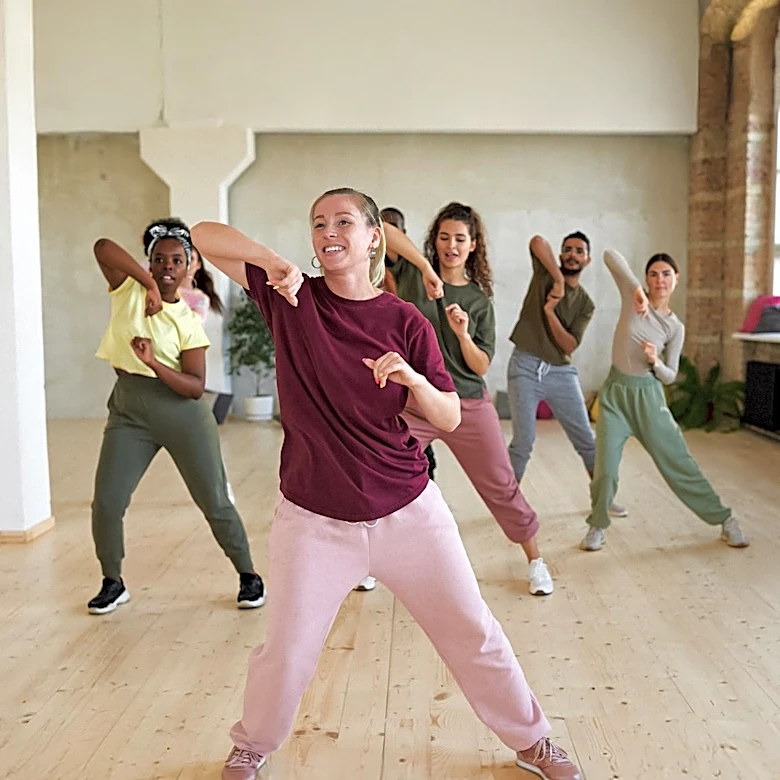
effort followed by brief recovery periods. Research indicates that HIIT can improve aerobic fitness, insulin sensitivity, and body composition. For instance, one 12-week trial showed that 10-minute HIIT sessions performed three times a week yielded similar improvements in insulin sensitivity and aerobic fitness as 50-minute moderate cycling sessions. While HIIT is demanding, its time-efficiency makes it a practical option for individuals with busy schedules. The Tabata protocol, a specific form of HIIT, involves 20-second all-out efforts followed by 10-second breaks, lasting about four minutes per round. However, many group classes using the 'Tabata' name often involve longer workouts with less intensity than the original scientific protocol. HIIT typically targets 80-95% of maximum heart rate during work intervals, making it a vigorous form of exercise.
Why It's Important?
The rise of HIIT is significant for public health and fitness trends, particularly in the U.S., where time constraints often hinder consistent exercise. Its ability to deliver substantial health benefits in shorter durations can help more individuals meet recommended physical activity guidelines, potentially reducing the prevalence of lifestyle-related diseases. For the fitness industry, HIIT's popularity, consistently ranking on the American College of Sports Medicine’s annual Worldwide Fitness Trends list, drives innovation in workout programs and equipment. This trend impacts how gyms design classes and how personal trainers structure client programs, emphasizing efficiency and high-intensity output. From a societal perspective, increased adoption of time-efficient exercise like HIIT could lead to improved overall public health metrics, such as reduced rates of obesity, type 2 diabetes, and cardiovascular disease, thereby potentially lowering healthcare costs and improving quality of life for many Americans.
What's Next?
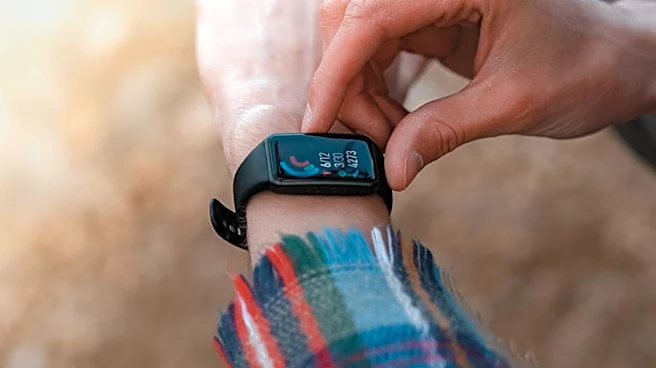
As research continues to refine understanding of HIIT protocols and their specific benefits, further integration into mainstream fitness and public health recommendations is likely. Future developments may include more personalized HIIT programs tailored to individual fitness levels and health conditions, potentially leveraging wearable technology for real-time heart rate monitoring and performance tracking. The fitness industry will likely continue to innovate with new HIIT-based classes, virtual training platforms, and specialized equipment designed to maximize efficiency and engagement. Healthcare providers may increasingly recommend HIIT as a viable exercise option for patients, especially those struggling with time management, after appropriate health screenings. Additionally, ongoing studies will likely explore the long-term effects of various HIIT protocols on different populations, including older adults and individuals with chronic conditions, to further optimize its application and safety.
Beyond the Headlines
Beyond its immediate health benefits, the widespread adoption of HIIT reflects a broader cultural shift towards optimizing time and maximizing output in various aspects of life. This 'efficiency mindset' extends beyond fitness into productivity, personal development, and even leisure. The appeal of HIIT also highlights a growing understanding that exercise intensity, not just duration, is a critical factor in achieving health outcomes. This challenges traditional views of exercise that often emphasized long, steady-state cardio sessions. Ethically, the high-intensity nature of HIIT necessitates careful consideration of individual fitness levels and potential risks, underscoring the importance of professional guidance to prevent injuries. Legally, fitness centers and trainers offering HIIT programs may face increased scrutiny regarding safety protocols and proper instruction. Culturally, HIIT contributes to a narrative of empowerment, where individuals can achieve significant physical transformations with focused, intense effort, aligning with contemporary values of self-improvement and resilience.