







What's Happening?
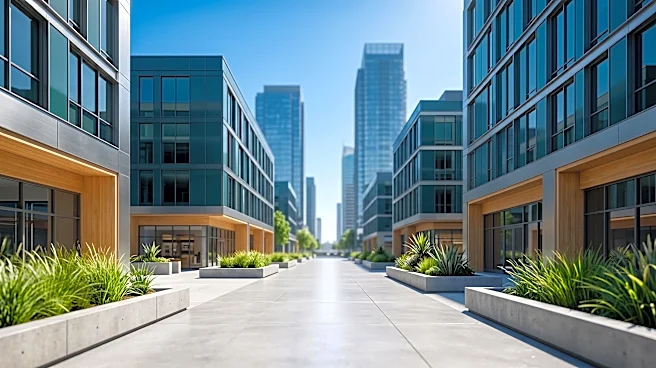
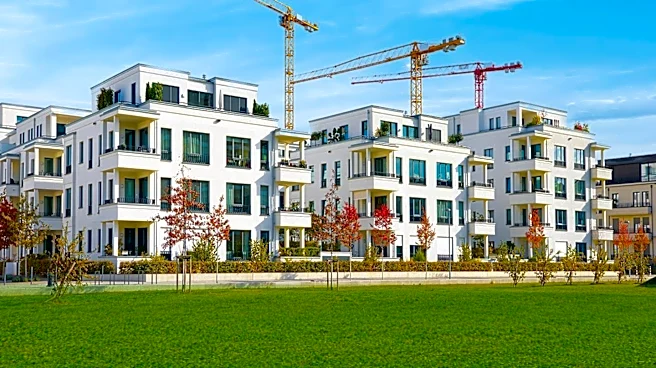
Real estate developers are the central figures in transforming raw land or existing structures into usable assets. Their role encompasses identifying potential sites, conducting feasibility studies to assess financial viability, and securing the necessary
land through negotiation and due diligence. Developers are responsible for obtaining all required approvals, permits, and navigating public hearings, which can often be a lengthy process. They also raise financing by combining their own equity with investor funds and lender debt. Once funding is secured, developers manage the design and construction phases, hiring architects, engineers, and general contractors, while closely monitoring budgets and schedules. Finally, they market, sell, or lease the finished properties, with some choosing to sell the entire project and others opting to retain ownership for long-term rental income. Developers specialize in various property types, including commercial, residential, mixed-use, affordable housing, luxury, hospitality, and niche developments like data centers or senior living facilities. Their primary earnings come from profit on sales, rental income, or development and management fees.
Why It's Important?
The work of real estate developers is crucial for urban and rural development across the U.S., directly impacting housing availability, commercial infrastructure, and economic growth. By taking on significant financial risk and coordinating diverse teams—including architects, engineers, lenders, contractors, and city officials—developers facilitate the creation of new homes, offices, retail spaces, and specialized facilities. This process generates substantial economic activity, creating jobs in construction, finance, and related services. The types of projects developers undertake, from affordable housing to luxury resorts, influence the social fabric and economic accessibility of communities. Their decisions on where and what to build shape local economies, property values, and the overall quality of life for residents. The success or failure of development projects can have ripple effects on local tax bases, employment rates, and the availability of essential services, making their role fundamental to the nation's physical and economic landscape.
What's Next?
The future of real estate development in the U.S. will likely see continued adaptation to evolving market demands, technological advancements, and regulatory landscapes. Developers will need to increasingly focus on sustainable building practices and energy-efficient designs to meet growing environmental concerns and regulatory pressures. The integration of artificial intelligence and specialized software for financial modeling, project tracking, and customer relationship management is expected to become more prevalent, enhancing efficiency and decision-making. As urban populations continue to grow, developers will face ongoing challenges in securing land, managing rising construction costs, and navigating complex approval processes. The demand for diverse housing options, including affordable and mixed-use developments, will likely drive innovation in project planning and financing. Furthermore, shifts in work patterns and consumer behavior may influence the design and purpose of commercial and retail spaces, prompting developers to create more flexible and experience-driven properties.
Beyond the Headlines
Beyond the immediate economic impact, real estate development carries profound ethical and social implications. Developers often face the challenge of balancing profit motives with community needs, particularly concerning gentrification, displacement, and the provision of equitable housing. The decisions made by developers can significantly alter the character of neighborhoods, affecting local businesses, cultural heritage, and social diversity. There's a growing emphasis on responsible development that considers long-term community well-being, environmental stewardship, and inclusive growth. Legal frameworks surrounding zoning, land use, and environmental impact assessments play a critical role in shaping these outcomes, often leading to complex negotiations between developers, local governments, and community groups. The long-term shifts triggered by development include changes in urban density, infrastructure demands, and the overall resilience of communities to economic and environmental shocks, highlighting the need for thoughtful and forward-looking planning.