







What's Happening?
Waymo has established a favorable operational setup at Nashville International Airport (BNA), securing four dedicated pickup spots on the airport's outer lane. This strategic positioning, at 'D1' just a two-minute-20-second walk from the terminal doors,
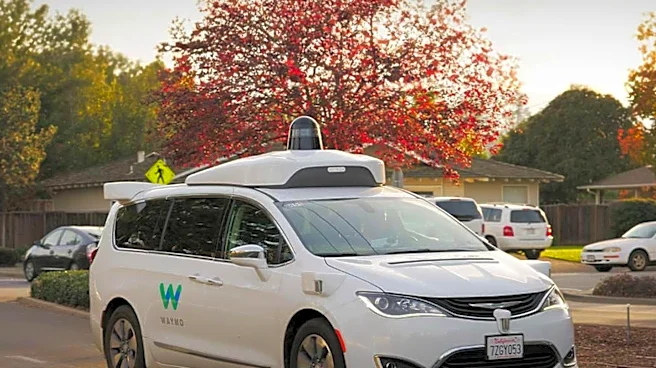
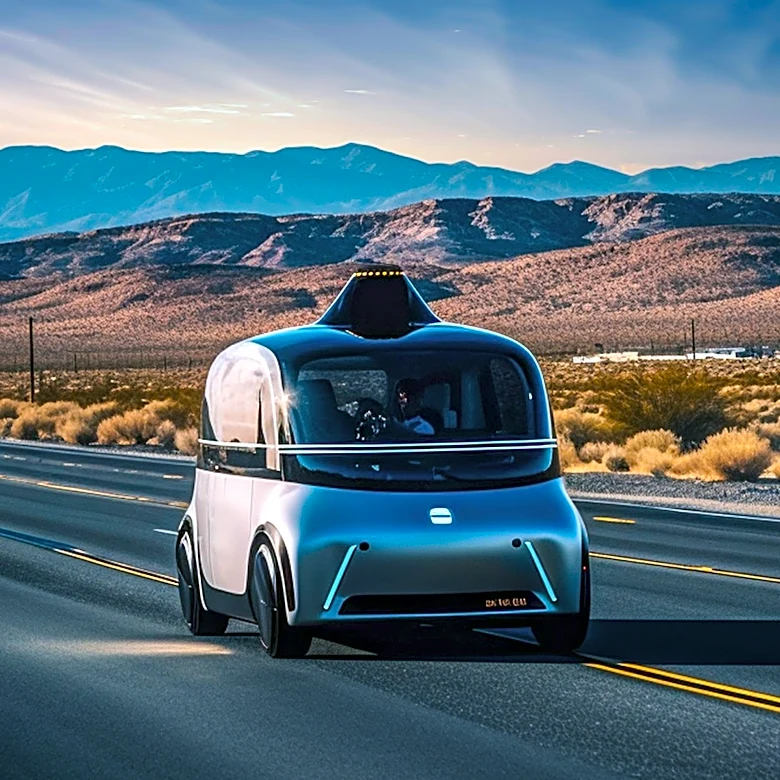
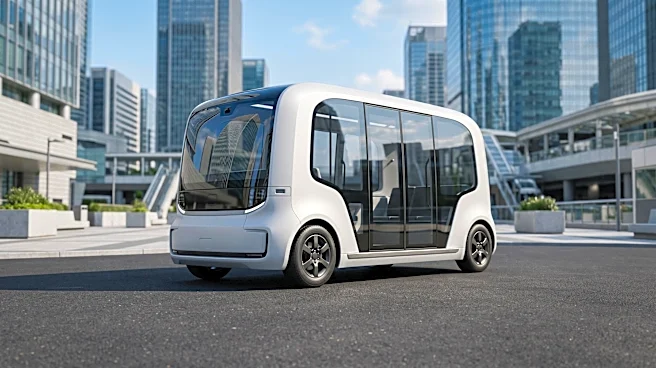
allows Waymo to bypass congestion typically experienced by Uber and Lyft vehicles. According to a field report by Grayson Brulte of The Road to Autonomy, Waymo's service to downtown Nashville is approximately $10 cheaper than UberX and about $14 less than standard Lyft for the same trip. However, Waymo currently lacks highway access in Nashville, which adds 10-12 minutes to a trip that otherwise takes about 35 minutes. Brulte observed a fleet of 11 Jaguar I-PACE vehicles and one 'Ojai' vehicle, noting consistently sub-10-minute wait times for pickups.
Why It's Important?
Waymo's competitive pricing and dedicated airport access in Nashville represent a significant development in the autonomous rideshare market. This setup provides a distinct advantage over traditional rideshare services like Uber and Lyft, potentially attracting a larger customer base due to convenience and cost-effectiveness. The ability to avoid congestion at a major airport could set a new standard for autonomous vehicle integration into urban transportation infrastructure. For the broader U.S. transportation industry, this demonstrates how strategic partnerships and infrastructure planning can accelerate the adoption of autonomous technology. It also highlights the ongoing competition between autonomous and human-driven rideshare services, pushing both sectors to innovate and improve their offerings. The success of Waymo in Nashville could influence other airports and cities to consider similar arrangements, fostering a more efficient and potentially more affordable transportation ecosystem.
What's Next?
Key areas to watch include whether Waymo will gain highway access in Nashville, which would eliminate the current time disadvantage compared to Uber and Lyft. The deployment of newer 'Ojai' vehicles for airport trips is also an anticipated development. Brulte's unconfirmed hypothesis about per-market tuning of Waymo vehicles suggests potential for further optimization and customization of autonomous services based on local driving conditions. The continued growth of Waymo's fleet in Nashville, as inferred by Brulte, indicates a strong commitment to expanding its presence in the market. Future developments will likely focus on enhancing the service's efficiency, expanding its operational design domain, and addressing any regulatory hurdles related to autonomous vehicle operation on highways.
Beyond the Headlines
The strategic advantage Waymo has secured at BNA, particularly the dedicated outer lane access, underscores the importance of infrastructure and regulatory cooperation for the successful deployment of autonomous vehicles. This arrangement not only streamlines operations for Waymo but also offers a glimpse into how future urban planning might integrate autonomous transport to alleviate traffic congestion and improve passenger experience. The pricing differential also raises questions about the long-term economic impact of autonomous rideshares on the traditional taxi and rideshare industries, potentially leading to significant market shifts. Furthermore, the public's acceptance and trust in autonomous vehicles, especially in high-stakes environments like airports, will be crucial for widespread adoption. The ability to control the in-car experience, such as music, as noted by Brulte, also points to the evolving expectations of personalized transportation services.