


What's Happening?
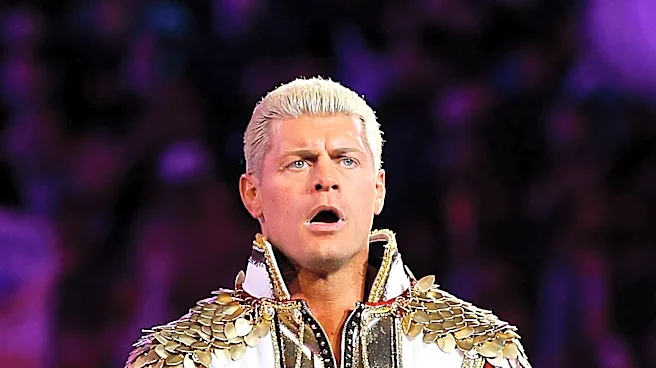
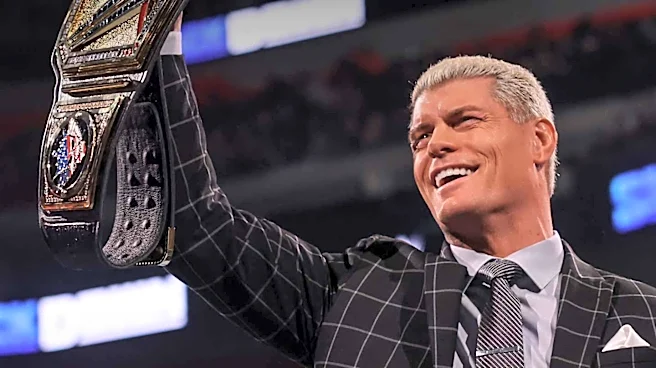
WWE Hall of Famer AJ Styles recently offered blunt advice to fellow wrestlers who express dissatisfaction with the creative direction of their storylines. During an appearance on Cody Rhodes' 'What Do You Wanna Talk About?' show, Styles emphasized that
while wrestlers should contribute their own ideas, they should refrain from complaining if they don't have a superior alternative to propose. He stated that it is the writers' responsibility to develop storylines, and the wrestlers' role is to perform what has been laid out for them. Styles believes that if a wrestler lacks a better idea, they should simply 'shut up and do the job.' He acknowledged that creative suggestions from talent are welcome, but ultimately, the onus is on the performer to make the most of the material provided by the creative team. This perspective highlights the ongoing dynamic between WWE's creative department and its roster.
Why It's Important?
This advice from a respected veteran like AJ Styles is significant for several reasons within the professional wrestling industry. It underscores the hierarchical nature of creative control in major promotions like WWE, where writers and management often dictate storylines. Styles' comments could influence how younger talent approaches creative disagreements, potentially fostering an environment where constructive feedback is valued over general complaints. For the WWE, this perspective could reinforce the authority of its creative team and streamline the production process, as talent is encouraged to either contribute meaningfully or execute the given directives. Conversely, it might also spark debate among fans and wrestlers about the balance between creative freedom and corporate control, and whether such an approach stifles innovation or ensures a cohesive product. The impact on talent morale and the quality of on-screen storytelling remains a key consideration.
What's Next?
The immediate impact of AJ Styles' comments is likely to be a continued internal discussion within WWE regarding creative processes and talent input. While Styles' advice is directed at individual wrestlers, it could lead to a re-evaluation of how creative feedback is solicited and integrated. Wrestlers might become more strategic in their pitches, ensuring they have well-developed alternatives before voicing dissent. For the WWE creative team, this could mean a clearer mandate to develop storylines, with the expectation that talent will execute them unless compelling counter-proposals are made. It is also possible that these comments will fuel public discourse among wrestling fans and pundits about the role of talent in shaping their characters and narratives, potentially leading to more scrutiny of WWE's creative decisions and how they are received by the roster.
Beyond the Headlines
Beyond the immediate implications for WWE's creative process, Styles' remarks touch upon broader themes of professionalism, accountability, and the nature of creative collaboration in a corporate entertainment environment. His emphasis on 'doing the job' unless a better idea is presented reflects a philosophy that values execution and problem-solving over mere criticism. This can be seen as a call for greater ownership and proactive engagement from talent, rather than passive resistance. Ethically, it raises questions about the extent of artistic freedom within a structured entertainment company and the balance between individual expression and collective vision. Culturally, it highlights the unique challenges of professional wrestling, where performers are both athletes and actors, often blurring the lines between their personal and on-screen personas, and where creative satisfaction is crucial for long-term engagement and performance.