

What's Happening?
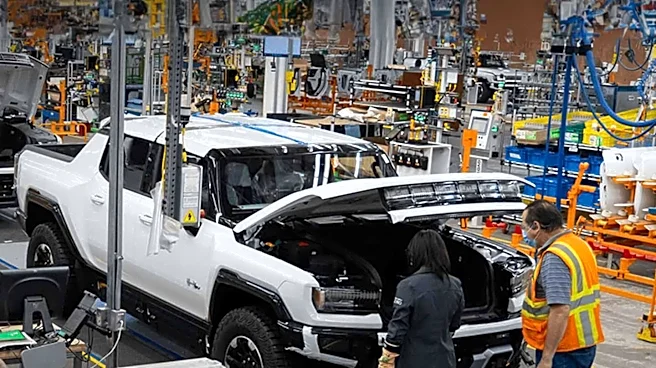
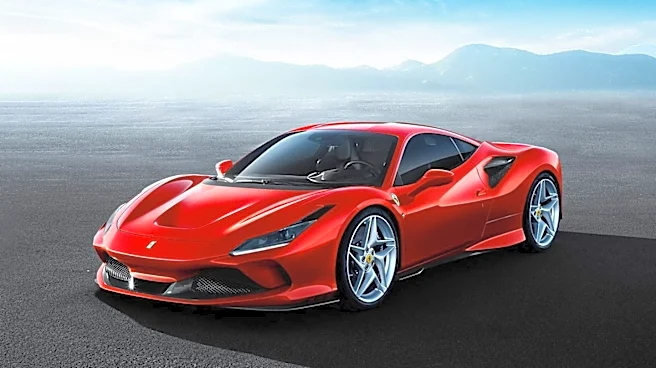
Ferrari has opened its E-Building, a facility designed for the production of its first fully electric car, the Luce, alongside its V8 hybrid, V8-powered, and naturally aspirated V12 models. This new building, which opened in June 2024, allows for the assembly
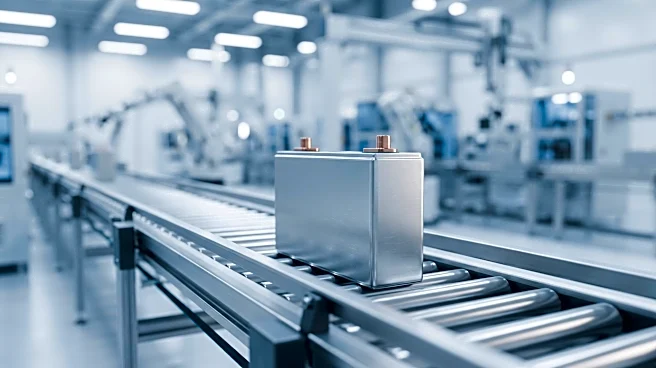
of diverse powertrains on a single production line, showcasing Ferrari's flexible manufacturing approach. The E-Building also houses the production of key electrical components, including battery packs, electric motors, and axles. Notably, the battery for the Luce, a 122 kWh unit with 210 cells, is designed for long-term serviceability, allowing individual components to be replaced rather than the entire assembly. Ferrari sources the battery cells externally but handles the development, assembly, and integration in Maranello, maintaining control over the technology underpinning its electric vehicles.
Why It's Important?
This development signifies Ferrari's strategic commitment to electrification while preserving its core manufacturing philosophy. By integrating electric vehicle production within its existing facilities and alongside its traditional combustion engine cars, Ferrari aims to ensure that its electric models embody the brand's established engineering and manufacturing standards. The focus on long-term serviceability for battery components is particularly significant for the luxury automotive market, where vehicles are often maintained for decades. This approach could set a precedent for other high-end manufacturers, addressing concerns about the longevity and repairability of electric vehicle components. It also highlights a broader industry trend of car manufacturers bringing more of the electric powertrain development and assembly in-house to maintain brand identity and quality control.
What's Next?
The first media drives for the Ferrari Luce are scheduled to take place before the end of the year, which will provide initial insights into its driving experience and how it aligns with Ferrari's performance legacy. The company's continued emphasis on in-house development and assembly of electric components suggests a long-term strategy for electrification that prioritizes control over technology and manufacturing processes. Future developments will likely include further integration of electric powertrains across Ferrari's model range, potentially influencing the design and engineering of subsequent electric and hybrid vehicles. The success of the Luce and Ferrari's approach to battery serviceability could also impact consumer expectations and industry standards for electric luxury cars.
Beyond the Headlines
Ferrari's decision to make the battery an integral part of the Luce's structure, contributing to torsional rigidity and incorporating advanced cooling and energy-absorbing systems, reflects a deeper engineering philosophy. This goes beyond simply accommodating a battery pack and instead integrates it as a fundamental structural element, potentially enhancing vehicle dynamics and safety. The ability to replace individual battery components also addresses the environmental and economic implications of electric vehicle ownership, promoting sustainability by extending the lifespan of the battery and reducing waste. This approach could challenge the prevailing industry model of treating battery packs as sealed, disposable units, fostering a more circular economy within the automotive sector and potentially influencing regulatory discussions around EV battery repair and recycling.