








What's Happening?
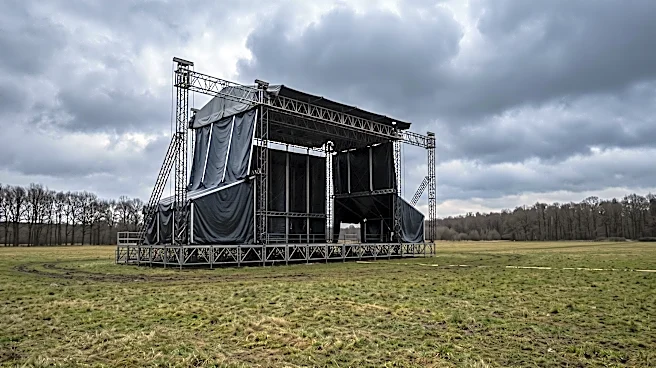
Several high-profile music festivals scheduled for 2026 in New York, including the New York stop of All Things Go, the CBGB Festival, and the Global Citizen Festival, have been canceled. Organizers cited public safety concerns due to a powerful Nor’easter
moving up the East Coast. The decision was made after reviewing guidance from local authorities, venue management at Forest Hills Stadium, and professional meteorologists. Forecasts predicted sustained heavy rain, strong winds, and a risk of coastal flooding, making large outdoor gatherings unsafe. Ticket holders for the canceled events will receive automatic refunds. The Maryland edition of All Things Go, scheduled for the same weekend, is still set to proceed.
Why It's Important?
The cancellation of major music festivals in a prominent cultural hub like New York City highlights the increasing impact of severe weather events on large-scale public gatherings. This trend poses significant logistical and financial challenges for event organizers, artists, vendors, and supporting staff, who face sudden schedule changes and potential revenue losses. For attendees, these cancellations result in disappointment and the need to adjust travel and accommodation plans. The emphasis on public safety by authorities and promoters underscores a growing awareness of climate-related risks, potentially leading to more stringent safety protocols and a reevaluation of outdoor event planning in vulnerable coastal regions.
What's Next?
Organizers will process automatic refunds for affected ticket holders, who are advised to monitor their ticketing accounts and email for confirmation. Fans planning to travel for other events should verify accommodations and transportation arrangements and follow official event channels for updates on potential rescheduling. The cancellations may prompt a broader discussion within the event industry about adapting to increasingly unpredictable weather patterns, potentially leading to investments in more weather-resilient venues or alternative event formats. Authorities and promoters will likely continue to prioritize public safety, which could influence future permitting and planning for large outdoor events, especially in coastal areas prone to severe weather.
Beyond the Headlines
These cancellations reflect a deeper societal shift in how large public events are managed in the face of climate change and extreme weather. Beyond the immediate financial and logistical impacts, there are broader implications for the cultural landscape, as iconic festivals may need to adapt or relocate. The decisions also highlight the evolving role of meteorology and risk assessment in event planning, moving beyond simple weather forecasts to comprehensive safety evaluations. This trend could lead to increased insurance costs for events, stricter regulatory oversight, and a greater emphasis on sustainable and resilient infrastructure for public gatherings, potentially altering the traditional festival experience in the long term.