


What's Happening?
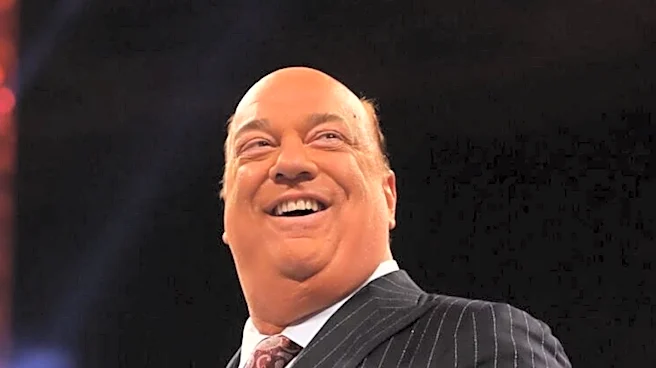
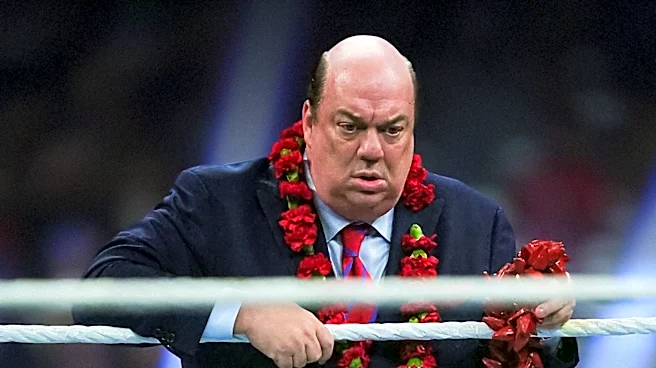
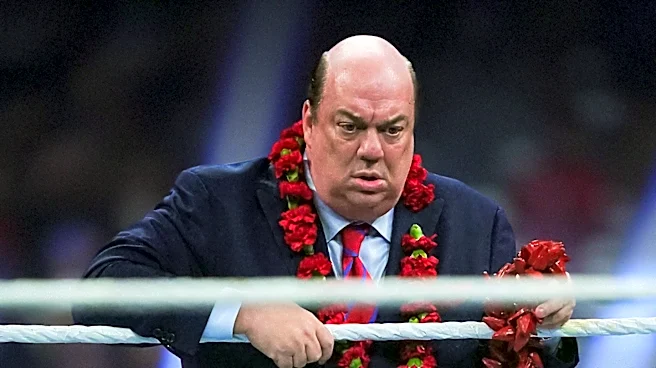
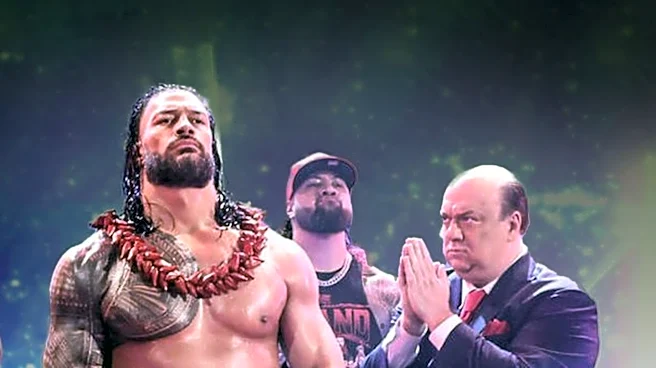
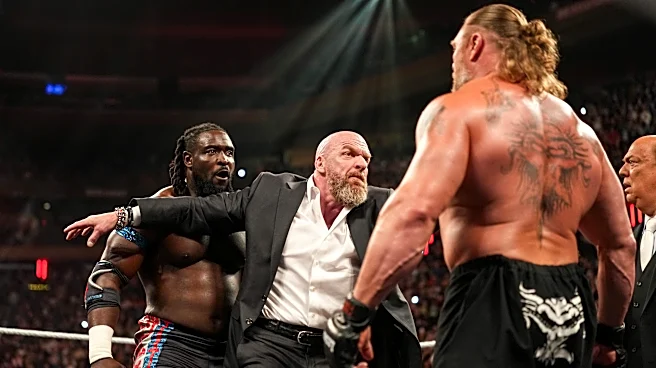
Veteran wrestling personality Paul Heyman has publicly stated his preference for working with WWE Chief Content Officer Paul 'Triple H' Levesque over former WWE Chairman Vince McMahon. In an appearance on 'In Depth with Graham Bensinger,' Heyman detailed
the differing leadership styles of the two figures. Heyman described McMahon as a 'dictator' who viewed the company as his own and expected others to conform to his vision. He explained that presenting ideas to McMahon was a constant struggle, as McMahon believed he was always right and took credit for accepted ideas. In contrast, Heyman characterized Levesque as a collaborative team player who is open to working with others' ideas. Heyman lauded Levesque as 'the best editor' he has ever worked with, noting that Levesque enters discussions without preconceived notions of his own vision and builds upon the input of intelligent individuals. Heyman's career in wrestling spans nearly five decades, including owning Extreme Championship Wrestling (ECW) and working extensively with both McMahon and Levesque in WWE.
Why It's Important?
This revelation from a highly respected figure like Paul Heyman offers significant insight into the internal creative dynamics of WWE, particularly during a period of transition following Vince McMahon's departure from his previous leadership roles. Heyman's comments highlight a shift in the company's creative environment from a top-down, dictatorial approach under McMahon to a more collaborative and team-oriented structure under Levesque. This change could impact how storylines are developed, how talent is utilized, and ultimately, the quality and direction of WWE programming. For fans, it suggests a more diverse and potentially innovative creative output. For industry professionals, it underscores the importance of leadership style in fostering a productive and creative work environment. The perception of a more open and collaborative creative process could also attract and retain talent who might have been stifled under the previous regime, potentially leading to a more dynamic and engaging product for audiences.
What's Next?
The public endorsement of Paul Levesque's leadership by Paul Heyman could further solidify Levesque's position as the creative head of WWE. This positive feedback from a long-standing and influential figure within the wrestling industry may bolster confidence among talent, staff, and investors in Levesque's vision for the company. It is likely that Levesque will continue to implement his collaborative approach, potentially leading to more diverse and experimental storytelling within WWE programming. This could manifest in new character developments, unexpected match outcomes, and a general evolution of the product. The contrast drawn with Vince McMahon's past leadership style might also influence future creative decisions, moving further away from the singular vision that characterized McMahon's tenure. Stakeholders, including fans and media, will likely observe how this collaborative environment translates into on-screen content and whether it leads to sustained creative success and audience engagement.
Beyond the Headlines
Heyman's comparison between McMahon and Levesque extends beyond mere creative differences; it touches upon fundamental leadership philosophies within a major entertainment enterprise. McMahon's 'dictatorial' style, while leading to immense success, also fostered an environment where dissent was challenging and individual creative input was often secondary to his singular vision. This can lead to burnout and a lack of innovation over time. Levesque's collaborative approach, as described by Heyman, suggests a more sustainable and adaptable model for creative leadership. This shift could have broader implications for corporate culture within the entertainment industry, emphasizing teamwork and shared vision over autocratic control. It also highlights the evolving nature of leadership in creative fields, where empowering teams and fostering open dialogue can lead to more robust and resonant content. The long-term success of WWE under Levesque's collaborative model could serve as a case study for other organizations navigating similar transitions in leadership and creative direction.