


What's Happening?
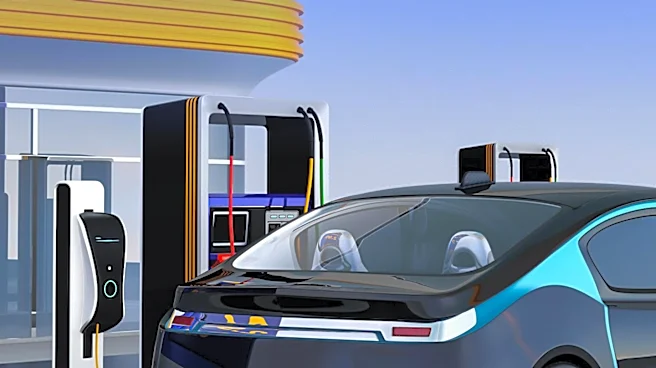
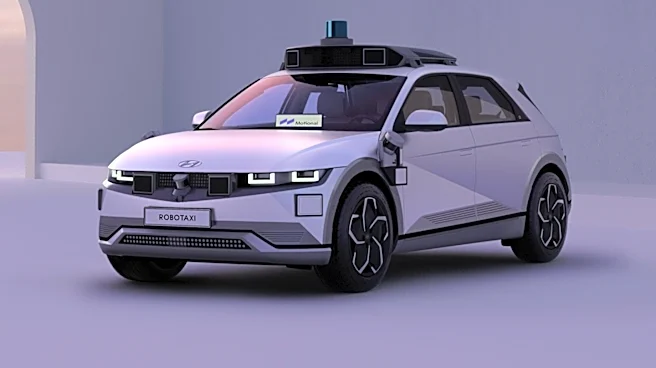
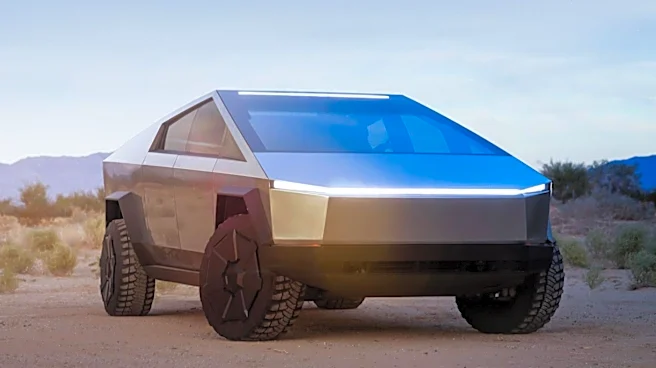
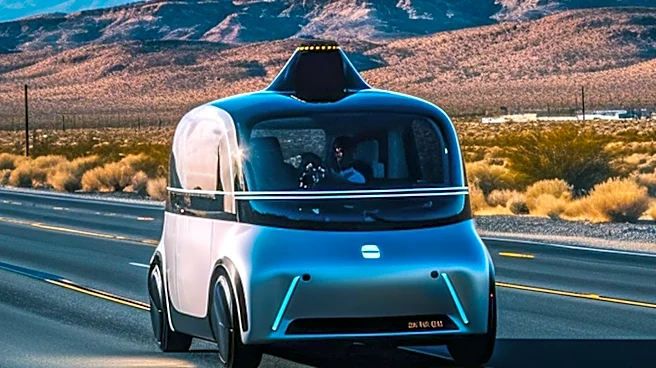
Tesla has unveiled its first Cybercab model equipped with a Starlink antenna, marking a new phase in the integration of satellite internet into vehicles. The Cybercab, a two-seat robotaxi, is designed to operate without a steering wheel or pedals, relying
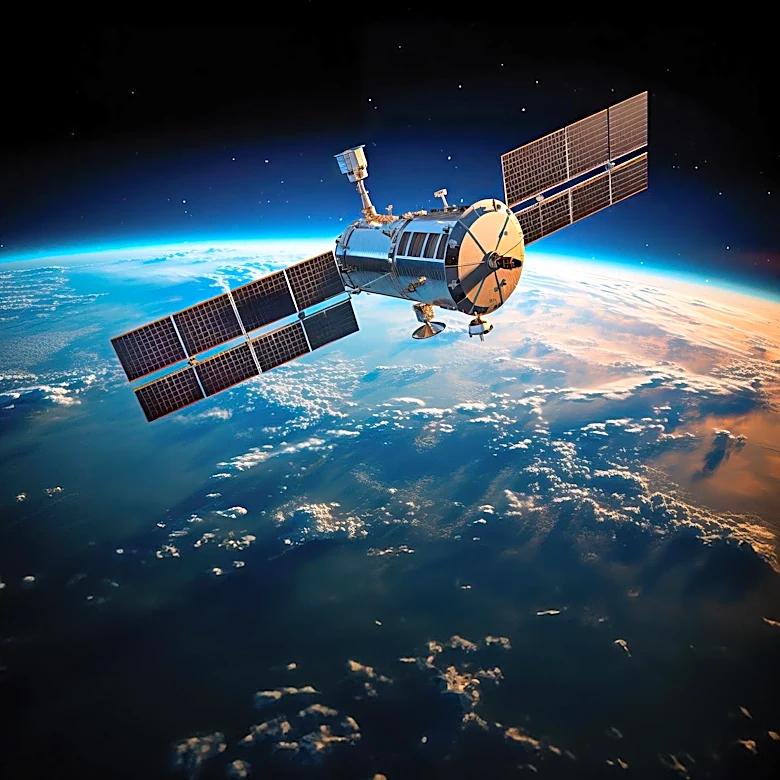
on Tesla's onboard AI4 computer for autonomous driving. The integration of Starlink is intended to provide additional connectivity options, particularly for tracking robotaxis in remote areas. However, the utility of the satellite link is questioned, as the robotaxi service currently operates in urban markets with strong cellular coverage, making the satellite dish redundant.
Why It's Important?
The integration of Starlink into Tesla's Cybercab highlights the potential for satellite internet to enhance vehicle connectivity, particularly in areas with limited cellular coverage. This move could pave the way for future developments in autonomous vehicle technology, where reliable internet connectivity is crucial for navigation and fleet management. However, the added cost and complexity of the satellite hardware may not be justified in urban areas, where existing cellular networks are sufficient. This raises questions about the practicality and cost-effectiveness of satellite internet in vehicles, which could impact consumer adoption and industry standards.
What's Next?
As Tesla continues to develop its robotaxi service, the company may explore additional applications for Starlink integration, particularly in rural or intercity markets where cellular coverage is limited. This could lead to new business models and partnerships with satellite providers, as well as regulatory considerations for satellite internet usage in vehicles. The success of this integration could influence other automakers to adopt similar technologies, potentially reshaping the landscape of vehicle connectivity and autonomous driving.