



What's Happening?
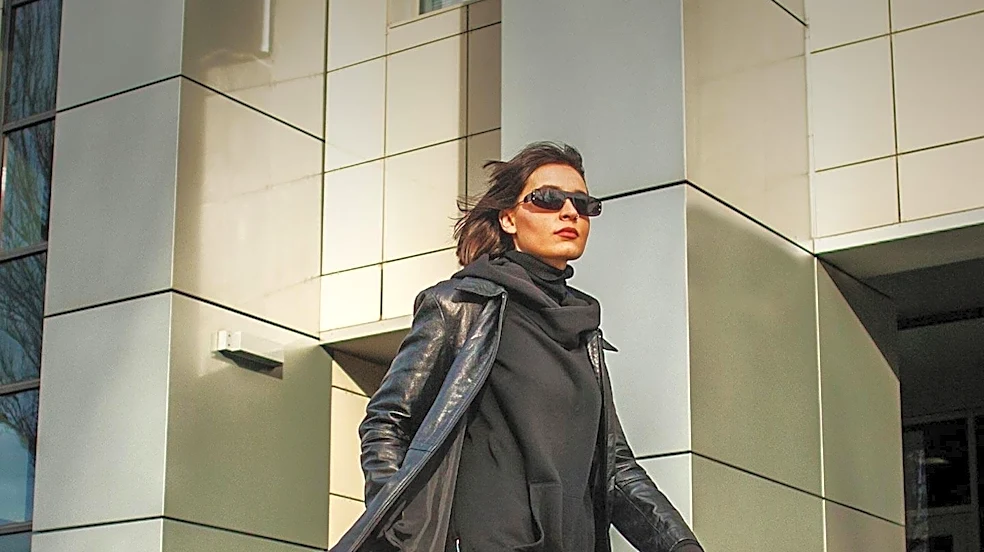
Canadian actor Carrie-Anne Moss, known for her role as Trinity in 'The Matrix,' is starring in a new horror-mystery series titled 'Yaga.' The series is an adaptation of Kat Sandler's 2019 stage play and features Moss as Professor Katherine Hargrove. Moss shared
that the timing of the offer for 'Yaga' felt serendipitous, as she had just been reading a chapter about Baba Yaga in one of her favorite books. She also reflected on her career journey, from her early ambitions in Burnaby, British Columbia, to her move to Los Angeles, which she described as challenging due to financial constraints and visa issues. Moss recounted the intense four months of martial arts training for 'The Matrix' alongside Keanu Reeves, Laurence Fishburne, and Hugo Weaving, which fostered a close bond among the cast. She also expressed her concerns about the impact of artificial intelligence on human creativity and storytelling, stating she is 'not a fan' and views it as a 'spiritual battle.'
Why It's Important?
Carrie-Anne Moss's perspective on artificial intelligence is significant as it comes from a prominent figure in the entertainment industry, an industry grappling with the increasing integration of AI in creative processes. Her concerns about AI potentially stifling human creativity and its broader implications for storytelling resonate with ongoing debates among artists, writers, and industry professionals regarding job security, intellectual property, and the future of artistic expression. Her return to a leading role in 'Yaga' also highlights the continued demand for established actors in new and evolving narrative formats, particularly in the mystery-thriller genre. Her personal reflections on career challenges and the importance of trusting one's path offer insights into the resilience required in the competitive acting world, potentially inspiring aspiring artists. The series 'Yaga' itself contributes to the landscape of Canadian television productions, bringing a dark mystery-thriller to audiences and showcasing Canadian talent both in front of and behind the camera.
What's Next?
The new series 'Yaga,' starring Carrie-Anne Moss, is set to debut, bringing a dark mystery-thriller to audiences. The reception of 'Yaga' will be a key indicator of audience interest in this genre and Moss's continued appeal in leading roles. Moss's outspoken views on artificial intelligence may further fuel discussions within the entertainment industry about the ethical and practical implications of AI. As AI technology continues to advance, more actors and creatives may voice their opinions, potentially leading to increased advocacy for policies that protect human creativity and jobs. Her continued involvement in projects like 'Yaga' suggests a sustained presence in the acting world, while her personal reflections on life outside Hollywood indicate a balanced approach to her career and personal well-being. The ongoing conversation about AI in storytelling will likely evolve, with artists like Moss contributing to shaping its direction.
Beyond the Headlines
Carrie-Anne Moss's journey, from her early struggles in Los Angeles without a green card to achieving international fame, underscores the profound personal sacrifices often made in pursuit of an artistic calling. Her belief that rejection can open new doors offers a powerful narrative about resilience and perspective in the face of professional setbacks, a theme that transcends the entertainment industry. Her move from Los Angeles to New Hampshire for a quieter life and to 'see the stars at night' reflects a broader cultural trend among public figures seeking respite from the constant demands of celebrity, prioritizing personal well-being over perpetual spotlight. Furthermore, her characterization of the rise of AI as a 'spiritual battle' delves into deeper philosophical questions about the essence of human creativity, the value of authentic human expression, and what it means to be an artist in an increasingly technologically driven world. This perspective invites contemplation on the intrinsic human need for creation and connection, which AI, despite its capabilities, may struggle to replicate.