




What's Happening?
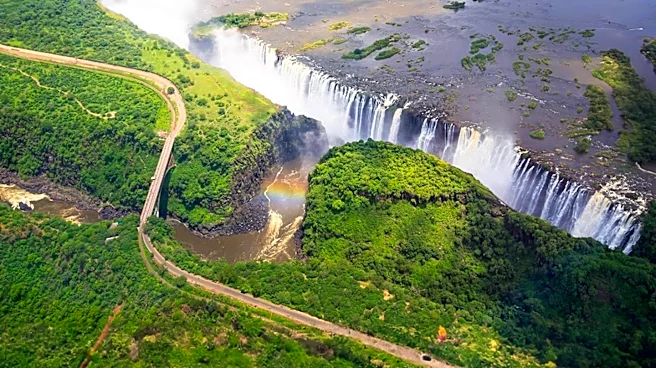
Zimbabwe is actively pursuing increased investment from its diaspora community to bolster the tourism sector, particularly in Victoria Falls. This initiative aims to channel financial resources beyond traditional remittances into productive ventures like
hospitality infrastructure and conference facilities. The call for investment was a key focus at the Zimbabwe Diaspora Engagement Forum and Dinner held in London, coinciding with the World Travel Market (WTM) 2026. Minister of Tourism and Hospitality Industry, Hon Barbara Rwodzi, emphasized the need for Zimbabweans abroad to participate directly in the country's economic transformation. Opportunities highlighted include accommodation and hospitality developments around the Mosi-oa-Tunya project in Victoria Falls, as well as conference facilities in Harare in anticipation of the African Continental Free Trade Area (AfCFTA) 2029 engagements. The government views tourism as a readily accessible sector with significant potential for job creation, community empowerment, and entrepreneurial expansion.
Why It's Important?
This strategic push for diaspora investment is crucial for Zimbabwe's economic development, aiming to diversify revenue streams beyond remittances and foster sustainable growth within the tourism sector. By attracting capital for infrastructure and hospitality projects, Zimbabwe seeks to enhance its competitiveness as a global tourist destination, particularly in Victoria Falls, a key attraction. Increased investment can lead to job creation, improved livelihoods for local communities, and expanded entrepreneurial opportunities across various tourism clusters, including cultural, heritage, and rural tourism. The government's commitment to facilitating investment and creating an enabling business environment is intended to build confidence among potential investors, ensuring that the diaspora plays an integral role in achieving the National Development Strategy 2 (NDS2) and Vision 2030 goals.
What's Next?
Zimbabwe plans to continue leveraging international platforms like the World Travel Market to promote investment opportunities and strengthen partnerships within the tourism sector. The government will likely intensify its engagement with diaspora communities globally, presenting specific projects and outlining the benefits of investing in Zimbabwe's tourism industry. Efforts will focus on streamlining investment processes and providing incentives to attract capital for accommodation, conferencing, and other tourism-related infrastructure. The success of these initiatives will depend on the government's ability to maintain a stable economic environment and effectively communicate the long-term growth potential of its tourism sector to Zimbabweans living abroad and other international investors.
Beyond the Headlines
The initiative to attract diaspora investment reflects a broader strategy by Zimbabwe to harness the economic power of its citizens living abroad, moving beyond their role as remittance providers to active participants in national development. This approach could foster a stronger sense of connection between the diaspora and their home country, potentially leading to a more robust and resilient economy. Furthermore, by focusing on tourism, Zimbabwe aims to develop a sector that has significant multiplier effects, supporting local businesses, preserving cultural heritage, and promoting environmental conservation. The success of this strategy could serve as a model for other developing nations seeking to leverage their diaspora for sustainable economic growth and national transformation.