









What's Happening?
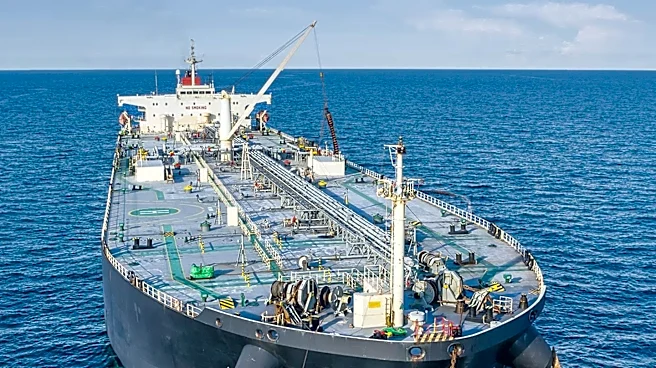
Oil prices are on track to record a significant quarterly decline, marking the largest drop since the pandemic-induced crash in 2020. This downturn is attributed to the reopening of the Strait of Hormuz following a U.S.-Iran memorandum of understanding
aimed at continuing peace negotiations. Brent Crude prices have fallen by 30.4% this quarter, with a 22% drop in June alone. The market's optimism about the reopening of the Strait has led to a reduction in geopolitical risk premiums, although analysts caution against overconfidence due to the volatile nature of U.S.-Iran relations.
Why It's Important?
The decline in oil prices has significant implications for global energy markets and economies reliant on oil exports. Lower prices can benefit consumers and industries dependent on oil, potentially reducing costs for transportation and manufacturing. However, oil-producing countries may face economic challenges due to reduced revenue. The situation also highlights the fragility of geopolitical agreements and their impact on global markets, emphasizing the need for stable diplomatic relations to ensure consistent energy supply.
What's Next?
The future of oil prices will largely depend on the stability of the U.S.-Iran agreement and the security of the Strait of Hormuz. Any escalation in tensions could lead to renewed volatility in oil markets. Investment banks have adjusted their forecasts, but the situation remains fluid, with potential for rapid changes based on geopolitical developments. Stakeholders will be closely monitoring the situation, with potential impacts on energy policies and international relations.