






What's Happening?
Liquid Death, known for its canned mountain water and iced teas, has announced that its in-house creative agency, Death Machine, will begin taking on external clients. CEO Mike Cessario confirmed this development, stating that the agency will offer its distinctive
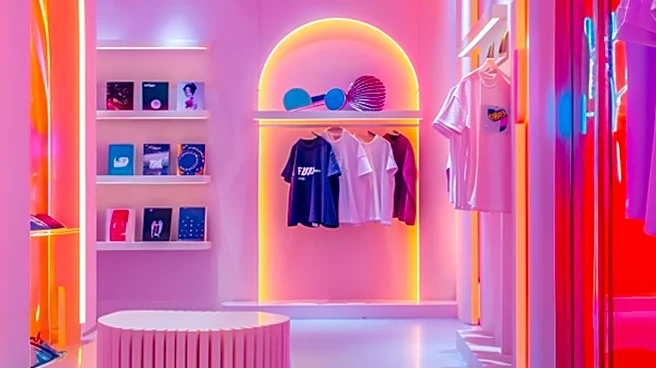
brand voice and creative approach to a select number of other brands. Cessario emphasized that Liquid Death is not financially driven by this expansion, as the company anticipates generating approximately $5 million from merchandise sales alone this year. The decision to work with external clients is rooted in the belief that Liquid Death's unique creative perspective is a valuable asset that other companies may seek to leverage. The brand's success has been built on its irreverent and dark aesthetic, which it now aims to extend to other businesses that align with its creative vision.
Why It's Important?
This move by Liquid Death signifies a growing trend where successful brands monetize their internal creative capabilities. By offering Death Machine's services to other companies, Liquid Death is transforming its brand identity and creative expertise into a revenue stream. This strategy highlights the increasing value of a strong, consistent, and recognizable brand voice in today's competitive market. For other businesses, partnering with Death Machine could provide access to a proven, unconventional marketing approach that has resonated with a specific demographic. This could be particularly impactful for brands looking to break through traditional advertising noise and connect with consumers in a more authentic and memorable way. However, Cessario's insistence on selecting clients who understand and appreciate Liquid Death's style underscores the importance of maintaining brand integrity, suggesting that not all partnerships will be pursued.
What's Next?
Death Machine will likely begin evaluating potential external clients, focusing on those that align with Liquid Death's unique brand ethos. The agency's selective approach suggests that it will prioritize partnerships where its creative input can genuinely enhance the client's brand without diluting Liquid Death's own identity. This could lead to innovative marketing campaigns for the chosen clients, potentially setting new benchmarks for brand collaboration. The success of these initial external projects will determine the long-term viability and scale of Death Machine's client services. Other brands may observe this model closely, potentially inspiring similar initiatives where in-house creative teams are leveraged as external service providers, further blurring the lines between brand and agency.
Beyond the Headlines
The decision to offer Death Machine's services externally reflects a broader shift in the advertising and marketing landscape, where authentic brand voice and unique creative perspectives are becoming increasingly valuable commodities. This move challenges the traditional agency model by demonstrating that a brand's internal creative department can be a powerful, independent entity. It also raises questions about the future of brand-agency relationships, as more companies might consider developing robust in-house capabilities that can then be monetized. Furthermore, Liquid Death's emphasis on not needing the money but rather seeking clients who appreciate their 'magic' highlights a strategic focus on creative integrity and brand alignment over pure financial gain, which could influence how other brands approach similar ventures.