







What's Happening?
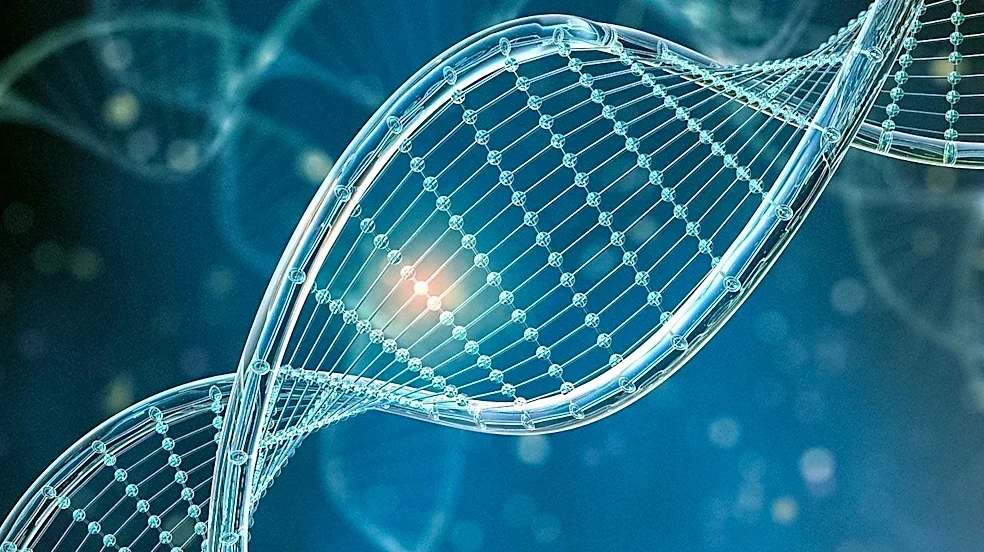
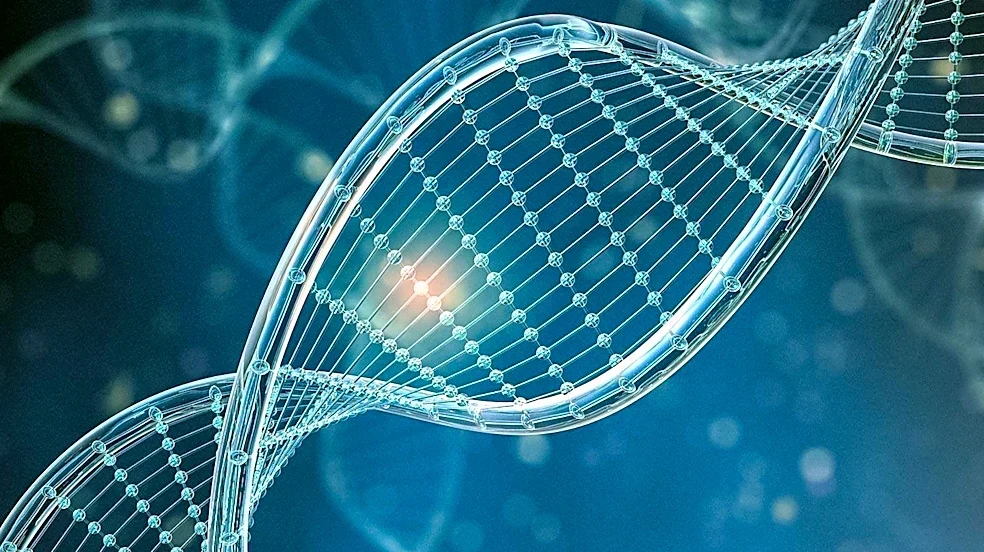
DNA-based diets are gaining traction as a personalized approach to nutrition, integrating scientific data from DNA testing and gut microbiome analysis. This method aims to move beyond restrictive diets by offering specific, targeted adjustments based on an individual's
unique biological makeup. Nutrigenomics, a field that combines dietary guidance with biological measurements like genetic variants, blood biomarkers, and gut microbiome profiles, is being explored as a potential future direction in healthcare and wellness. The core idea is to eliminate guesswork in dietary planning, allowing individuals to expand their diets with informed choices rather than constantly limiting them. However, ongoing research is crucial to determine whether these genetic-based dietary recommendations consistently lead to improved health outcomes. The focus of this research is to identify situations where biological information can enhance existing dietary interventions, support metabolic health, and reduce the need for unnecessary personalized supplements or overly restrictive eating plans.
Why It's Important?
The rise of DNA-based diets signifies a significant shift in the wellness industry towards hyper-personalization, moving away from one-size-fits-all dietary advice. This trend could have substantial implications for U.S. healthcare, nutrition science, and consumer markets. If proven effective, personalized nutrition based on genetic and microbiome data could lead to more precise and preventative health strategies, potentially reducing the incidence of diet-related chronic diseases and improving overall public health. For businesses, this opens new avenues for product development in genetic testing, personalized meal services, and health technology. However, the emphasis on rigorous research to validate health outcomes is critical. Without consistent evidence, there's a risk of promoting expensive, unproven interventions that could mislead consumers and divert resources from more established public health initiatives. The success of this approach hinges on its ability to deliver tangible health benefits and avoid contributing to a culture of unnecessary supplementation or overly complex dietary restrictions.
What's Next?
The immediate next steps involve continued scientific investigation into the efficacy of genetic-based dietary recommendations. Researchers will focus on conducting large-scale studies to assess whether these personalized approaches consistently improve health outcomes across diverse populations. This will include evaluating the impact on metabolic health, disease prevention, and overall well-being. Regulatory bodies and healthcare providers will likely monitor these findings closely to establish guidelines and best practices for integrating nutrigenomics into mainstream healthcare. For consumers, the market for DNA testing and personalized nutrition services is expected to grow, but informed decision-making will be paramount. Companies offering these services will face increasing pressure to provide transparent, evidence-backed claims. The development of standardized protocols for genetic and microbiome analysis, along with clear ethical considerations, will also be crucial as this field evolves.
Beyond the Headlines
The deeper implications of DNA-based diets extend to ethical and societal considerations regarding genetic privacy and equitable access to personalized health technologies. As genetic information becomes central to dietary recommendations, questions arise about data security, who owns this sensitive information, and how it might be used. There's also the potential for a widening health equity gap if these advanced, often costly, personalized nutrition services are only accessible to affluent populations, leaving others reliant on less tailored, potentially less effective, health advice. Culturally, this trend could further individualize health, potentially shifting focus away from broader public health interventions and community-level dietary improvements. The long-term success and ethical integration of DNA-based diets will depend on robust scientific validation, clear regulatory frameworks, and efforts to ensure equitable access and protect individual privacy.