




What's Happening?
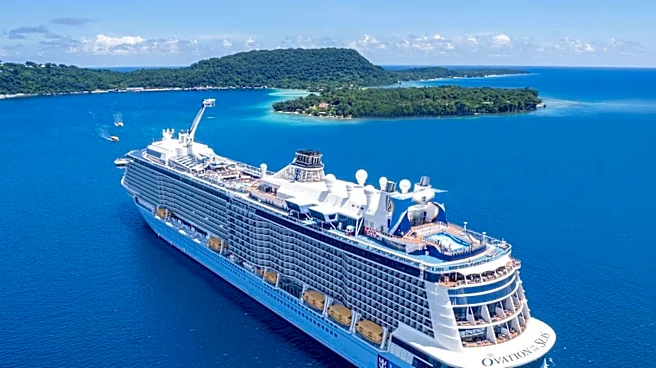
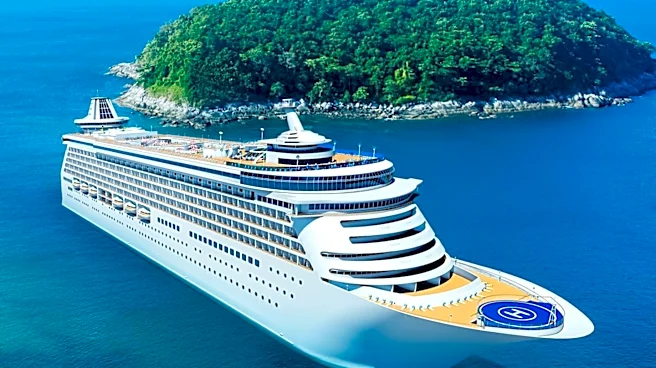
Royal Caribbean is offering cruise itineraries departing from Singapore, providing travelers with opportunities to explore various Southeast Asian destinations. These cruises emphasize a 'floating resort' experience, featuring a range of onboard activities
and dining options. Passengers can enjoy spectacular live performances, including musical shows, ice-skating, and aqua shows, with the recommendation to check the Royal Caribbean app for schedules and reservations. The dining experiences are diverse, ranging from casual buffet meals at Windjammer to elegant multi-course dinners in the Main Dining Room. Shore excursions are a key component, allowing passengers to visit places like Penang, Malaysia, known for its heritage streets and street food, and Phuket, Thailand, celebrated for its beaches and tropical adventures. The cruises aim to offer a blend of relaxation and adventure, catering to different traveler preferences. The experience is designed to be peaceful, with opportunities to watch the horizon and sunsets from open decks or private balconies, while also providing access to new countries without the need for constant hotel changes.
Why It's Important?
These Royal Caribbean cruise offerings from Singapore are significant for the U.S. travel and tourism industry, particularly for American travelers seeking international vacation options. The availability of diverse itineraries to popular Southeast Asian destinations like Malaysia and Thailand expands the choices for U.S. consumers, potentially drawing more interest in long-haul cruise travel. For the cruise industry, this highlights the strategic importance of Singapore as a regional hub for international departures, facilitating access to a rich cultural and natural landscape. The emphasis on a 'floating resort' model, with extensive onboard entertainment and dining, sets a benchmark for luxury and convenience, influencing competitive strategies among cruise lines. Furthermore, the promotion of shore excursions contributes to the local economies of the visited countries, creating a ripple effect that benefits various sectors, from local tourism operators to food vendors and artisans, which can indirectly impact U.S. travel agencies and tour operators who partner with these international destinations.
What's Next?
Royal Caribbean will likely continue to refine and expand its cruise offerings from Singapore, potentially introducing new itineraries or enhancing existing ones based on passenger feedback and market demand. The cruise line may also explore partnerships with local tourism boards in Southeast Asia to further enrich shore excursion options and promote unique cultural experiences. Expect continued investment in onboard amenities and entertainment to maintain its 'floating resort' appeal, possibly incorporating new technologies or themed events. Marketing efforts will likely target a global audience, including U.S. travelers, through various channels to highlight the unique blend of relaxation, adventure, and cultural immersion available. The company will also need to adapt to evolving travel regulations and health protocols to ensure safe and seamless journeys for its passengers, especially in an international context. Future promotions may include special deals or packages to attract more bookings, similar to the 2026 cruise deals mentioned in other contexts.
Beyond the Headlines
The expansion of cruise travel from hubs like Singapore reflects a broader trend in the global tourism industry towards experiential and immersive travel. Beyond the immediate economic impact, these cruises foster cross-cultural understanding by exposing travelers to diverse traditions, cuisines, and landscapes in Southeast Asia. The 'floating resort' concept also raises questions about the environmental footprint of large cruise ships and the sustainability practices adopted by companies like Royal Caribbean. There's an ongoing dialogue within the industry and among environmental groups about balancing tourism growth with ecological preservation, particularly in sensitive marine ecosystems. Furthermore, the convenience of visiting multiple countries without changing hotels could influence future travel patterns, potentially shifting preferences away from traditional land-based tours for certain demographics. The integration of technology, such as the Royal Caribbean app for managing entertainment and reservations, also points to the increasing digitalization of the travel experience, offering both convenience and new avenues for personalized services.