






What's Happening?
Tabata is a high-intensity interval training (HIIT) method developed in the 1990s by Izumi Tabata and his colleagues at the National Institute of Fitness and Sports in Tokyo. This workout involves 20 seconds of intense exercise followed by 10 seconds of rest,
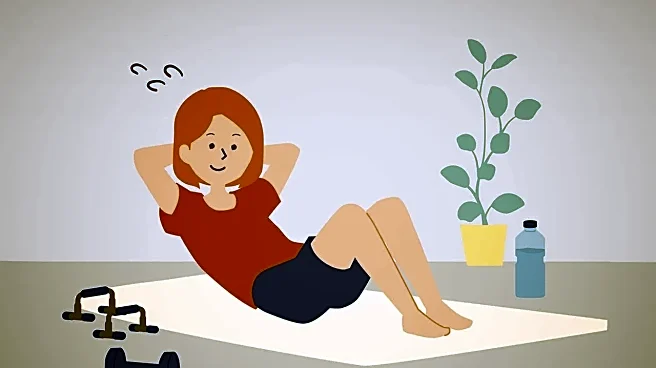
repeated for a total of 4 minutes, which constitutes one Tabata block. The method is recognized for its efficiency in burning calories and improving fitness within a short timeframe. Exercises commonly incorporated into Tabata routines include squats, push-ups, and burpees. While effective, it is not recommended for individuals with pre-existing health conditions such as heart disease, respiratory issues, or high blood pressure. For beginners, Tabata can be scaled by using no-jump movements, aiming for a moderate effort level (7-8 out of 10), and starting with fewer rounds before gradually increasing intensity and duration. The original protocol involved an all-out bike ride at approximately 170% of VO2 max, making it one of the most demanding HIIT formats.
Why It's Important?
The Tabata workout method offers a time-efficient approach to fitness, which is particularly important for individuals with busy schedules seeking to improve their health. Its high-intensity nature contributes to significant calorie expenditure and can enhance both aerobic fitness and muscular endurance, as demonstrated in studies where Tabata sessions yielded comparable or superior results to longer, moderate-intensity workouts. The method's adaptability, allowing for modifications for beginners and progression for advanced users, makes it accessible to a broad demographic. However, the emphasis on high intensity necessitates medical clearance for individuals with certain health conditions, highlighting the importance of personalized fitness planning and professional guidance. The potential for fat loss, while modest on its own, is enhanced when combined with strength training, adequate walking, and a controlled dietary intake, underscoring a holistic approach to health and wellness.
What's Next?
Individuals interested in adopting Tabata workouts are advised to start with beginner-friendly modifications, such as no-jump exercises and a reduced number of rounds, gradually increasing intensity and duration as fitness improves. It is crucial to consult a qualified healthcare provider before beginning any new high-intensity exercise program, especially for those with pre-existing health conditions or a history of inactivity. Future developments in Tabata training may focus on further tailoring programs for specific populations, including older adults or those with particular physical limitations, ensuring safety and effectiveness. The integration of Tabata with other fitness modalities, such as strength training and walking, will likely continue to be promoted for optimal health outcomes and sustainable fitness journeys.
Beyond the Headlines
The popularity of Tabata reflects a broader societal trend towards maximizing efficiency in all aspects of life, including fitness. This method taps into the desire for quick, impactful workouts that fit into demanding modern lifestyles. However, the emphasis on 'high-intensity' can sometimes overshadow the critical need for proper form, gradual progression, and listening to one's body, potentially leading to injury if not approached mindfully. The ethical implication lies in ensuring that accessible fitness trends like Tabata are promoted responsibly, with clear guidelines on who should and should not participate without medical consultation. Culturally, Tabata contributes to the evolving definition of 'exercise,' moving away from long, monotonous sessions towards shorter, more intense bursts, which could influence public health strategies and personal fitness choices in the long term.