







What's Happening?
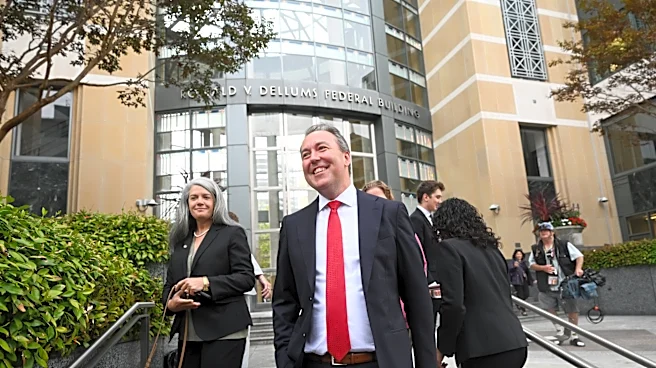
Daniel Goldman, based in San Clemente, CA, is part of the legal team representing appellants in the case of Burnett v. National Association of Realtors. This case, heard by the U.S. Court of Appeals, 8th Circuit, involves a challenge to a nationwide class-action
settlement. The original lawsuit alleged that the National Association of Realtors and various real estate brokers engaged in a conspiracy to inflate real estate commissions. This alleged conspiracy involved requiring property owners to offer buyer-broker commissions in Multiple Listing Service (MLS) listings, which purportedly led to artificially inflated commissions and increased home prices. The appellants are arguing that the settlement improperly expanded the class, was grossly inadequate, and lacked a clear method for distributing compensation. They also questioned the district court's jurisdiction. The court, however, affirmed the judgment, finding no abuse of discretion in approving the settlement, citing adequate notice and the necessity of a national settlement given the evidence of a nationwide conspiracy.
Why It's Important?
This case holds significant importance for the U.S. real estate industry and consumers. The allegations of an antitrust conspiracy to inflate real estate commissions, if proven, could have far-reaching implications for how homes are bought and sold across the country. The practice of requiring sellers to pay buyer-broker commissions has been a long-standing component of real estate transactions, and a successful challenge could fundamentally alter this structure. For consumers, a change in this system could potentially lead to lower home prices or reduced closing costs, making homeownership more accessible. For real estate brokers and the National Association of Realtors, the outcome of such legal challenges could necessitate significant changes to their business models and commission structures, potentially impacting their profitability and operational practices. The affirmation of the settlement by the U.S. Court of Appeals suggests a degree of judicial acceptance of the current settlement terms, but the ongoing legal challenges highlight persistent concerns about fairness and market competition within the real estate sector.
What's Next?
While the U.S. Court of Appeals, 8th Circuit, has affirmed the judgment in Burnett v. National Association of Realtors, the involvement of a legal team including Daniel Goldman indicates continued scrutiny of the class-action settlement. Appellants' arguments regarding the settlement's adequacy and scope suggest that further legal avenues might be explored, potentially through appeals to higher courts or other legal challenges. The real estate industry, particularly the National Association of Realtors and its members, will likely continue to monitor these legal developments closely, as any further rulings could mandate adjustments to their operational practices and commission structures. Consumers and policymakers will also be watching to see if these legal actions lead to broader reforms in real estate commission practices, potentially influencing future legislative or regulatory efforts aimed at increasing transparency and competition in the housing market.
Beyond the Headlines
Beyond the immediate legal implications, this case touches upon deeper issues of market competition, consumer protection, and the structure of professional associations in the U.S. The alleged antitrust conspiracy raises questions about the extent to which established industry practices may inadvertently or intentionally stifle competition and disadvantage consumers. The role of the National Association of Realtors in setting industry standards and its influence on commission structures are central to this debate. This legal challenge could serve as a catalyst for broader discussions about the need for greater transparency in real estate transactions and the potential for alternative models for compensating real estate agents. It also highlights the ongoing tension between established industry norms and evolving consumer expectations for fair pricing and competitive markets, potentially leading to long-term shifts in how real estate services are valued and delivered.